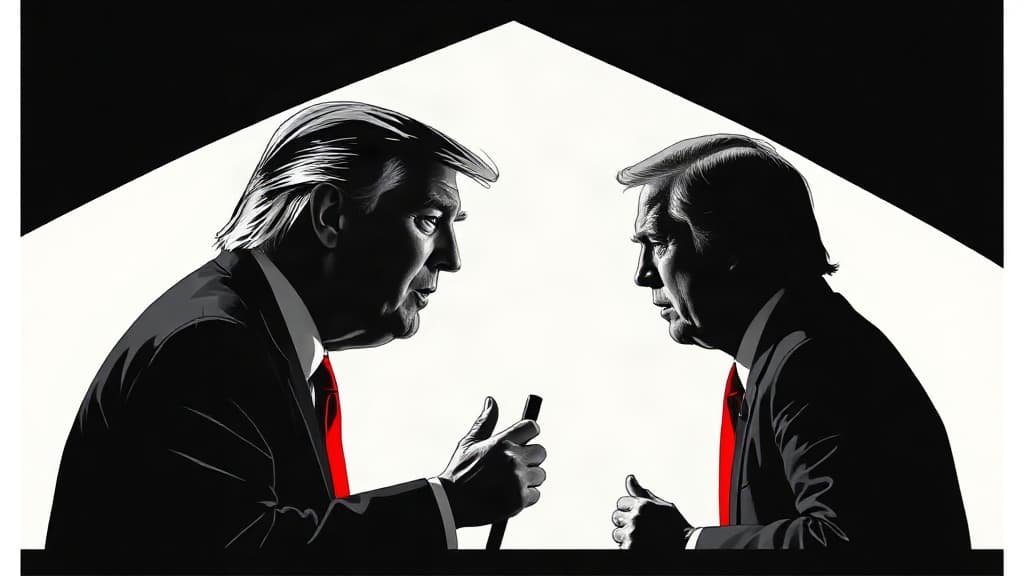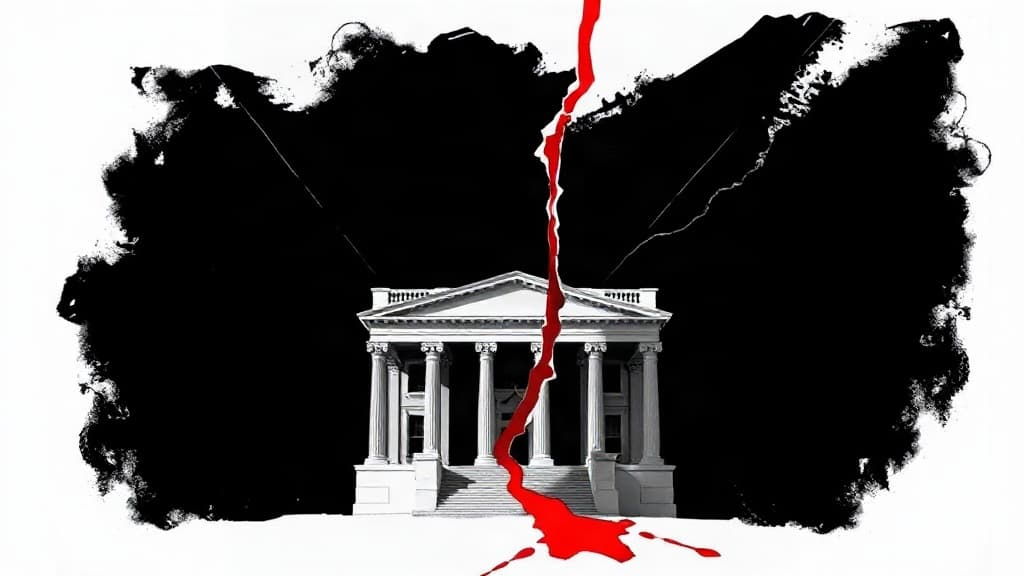
On the 239th anniversary of the Constitution's signing, the four pages of parchment that built the greatest nation in history are under siege — and every institution designed to protect them has either joined the assault or walked away from the fight.
The Framers gave us checks and balances because they understood power: it concentrates, and concentrated power corrupts. Alexander Hamilton wrote in Federalist 77 that the executive is "at all times liable to impeachment" and would be "subjected to the control of … the legislative body." As Maine lawyer Barbara Cray argues in the Portland Press Herald, that system has collapsed. The legislative branch refuses to check executive overreach. The Supreme Court, in Cray's words, "rubber stamps the abuse of power." Whether you share her characterization of the current president or not, the structural failure is undeniable: Congress has surrendered its Article I authority, and no branch is riding to the rescue.
But the assault on constitutional principles doesn't stop at the Capitol. At New York Fashion Week, Council of Fashion Designers of America CEO Steven Kolb was filmed forcibly restraining two PETA protesters — putting his hands over their mouths and pinning one with both arms and a leg, according to the Mercury News. His consequence for physically silencing dissent? An apology and a leave "pending an investigation." And PETA, handed a clear-cut case for defending the principle of free expression, chose to trade it away: they dropped plans for a police report and opted for a policy meeting about wool instead. "We are willing to drop everything if we reach an understanding that benefits the animals," PETA's Moira Colley said. Free speech, it turns out, is negotiable when there's a deal to cut.
That's the pattern. The Constitution's protections are treated as suggestions — by executives who overreach, by legislators who won't stop them, by courts that look the other way, and by activists who'll barter a core right for a policy concession the moment it suits them. The document doesn't need reform or reinterpretation. It needs enforcement — as written, the way the Framers intended.
James Madison wrote in Federalist 49 that "the people are the only legitimate fountain of power." Cray notes that Constitution Day falls 47 days before the midterm elections. The Framers placed the ultimate check not in any branch of government, but in the ballot box. The question isn't whether the Constitution still works. It's whether the people will force the representatives who swore to uphold it to actually do their jobs — or replace them with someone who will.