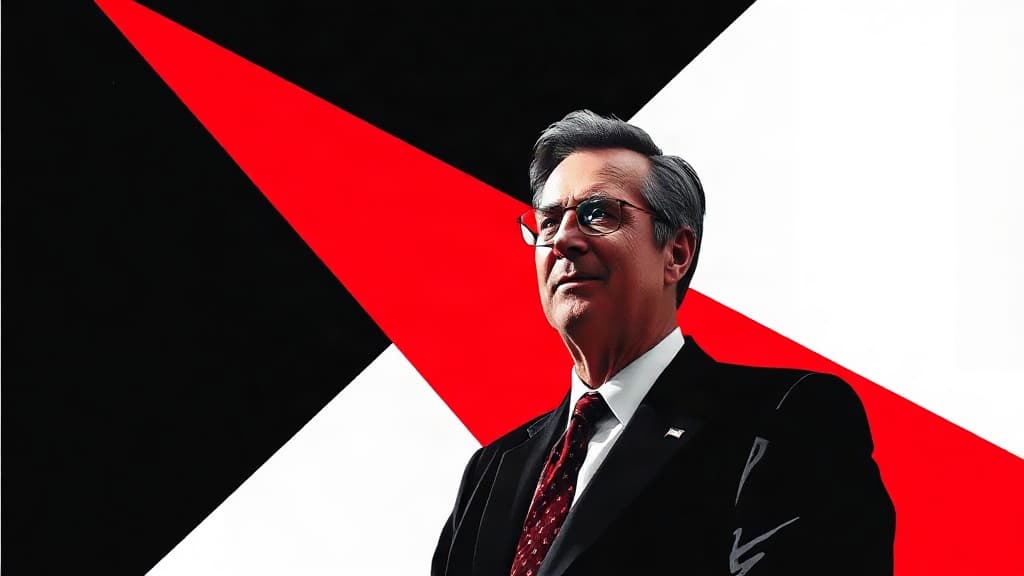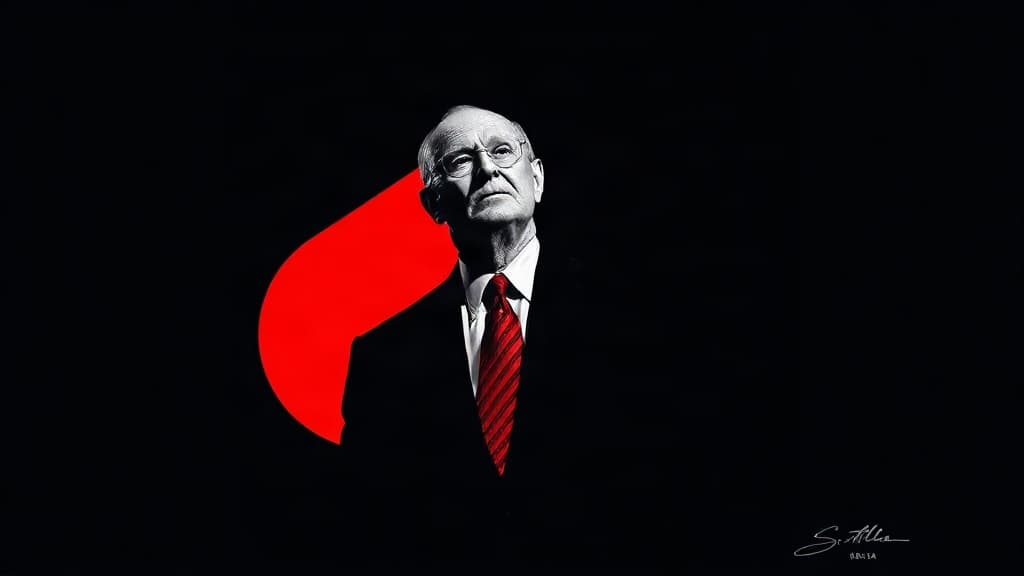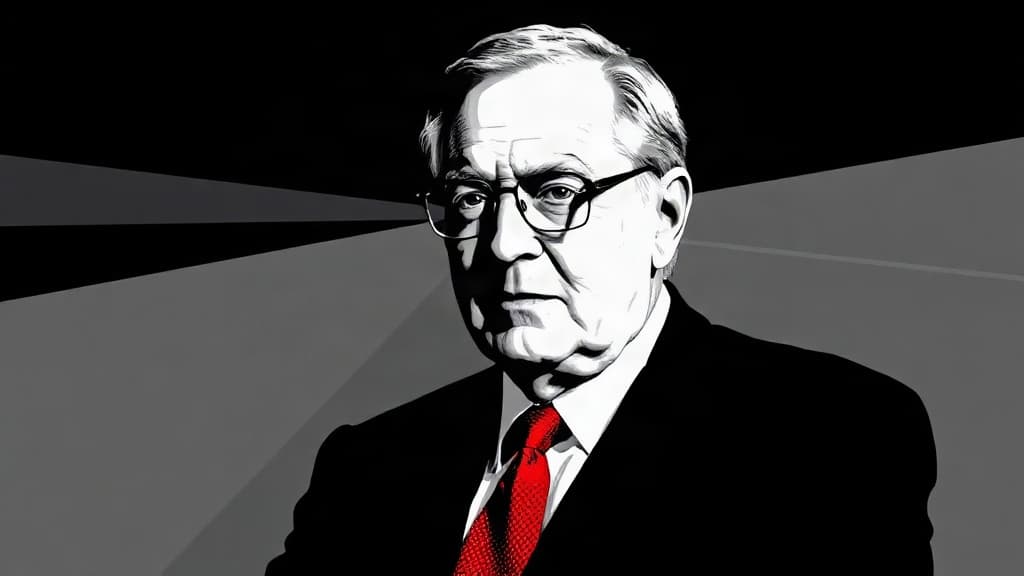
Strobe Talbott — the deputy secretary of state who architected Bill Clinton's Russia policy and later ran the Brookings Institution for fifteen years — is dead at 80, and the obituaries are already laundering a career spent serving the bipartisan consensus that put every interest ahead of the American people's.
Talbott's resume reads like a blueprint of the permanent Washington class: elite universities, establishment media, the State Department, and a long tenure atop one of the most influential think tanks in the capital. NPR and The Guardian both frame him as a statesman-diplomat. Working Americans should see him for what he was: a case study in the revolving door.
Yale, then Oxford — where he roomed with Clinton, a connection that would pay off decades later. While at Oxford, he translated the leaked memoirs of Soviet leader Nikita Khrushchev for Time magazine, which landed him a job. He spent 21 years at Time covering Soviet-American relations, rising to Washington bureau chief and foreign-affairs columnist. That's the training ground: learn to shape the narrative, then join the government that acts on it.
In 1994, Clinton brought him to the State Department, where he swiftly became deputy secretary and, as both outlets report, "architect of the administration's approach to Russia and other formerly Soviet countries." That approach meant NATO expansion, the bombing of Serbia, and the nation-building crusades that consumed American blood and treasure while the homeland was left to hollow out. He also led negotiations with India after its 1998 nuclear tests — because the bipartisan consensus always reserves its strongest diplomacy for countries daring to assert their own sovereign interests.
Then the door spun again. From 2002 to 2017, Talbott ran the Brookings Institution, the kind of place where former officials collect checks from corporate and foreign donors while shaping the policies their successors will implement. While running Brookings, he simultaneously chaired the State Department's Foreign Affairs Policy Board. The fox wasn't just guarding the henhouse — he was drawing up the blueprints for it.
NPR gave Clinton space to eulogize his old roommate: "Strobe was a good and brilliant man who made our world more peaceful and secure." Peaceful and secure for whom? Not for the Americans who bled in the interventions Talbott's class championed. Not for the communities gutted while Washington sent their money overseas.
Then there's the final insult. Talbott's last book, published in 2020, was titled Our Founders' Warning: The Age of Reason Meets the Age of Trump. The same founders who warned against entangling alliances, who built a republic — not an empire. Talbott spent his career building that empire, then claimed the founders' mantle to attack the man who questioned it.
He died peacefully in East Hampton — the kind of ZIP code that tells you exactly who globalism serves.
The establishment will mourn Strobe Talbott. They should. He was one of theirs. The question is whether the country he helped reshape will ever hold his class to account — or just keep reading their obituaries.