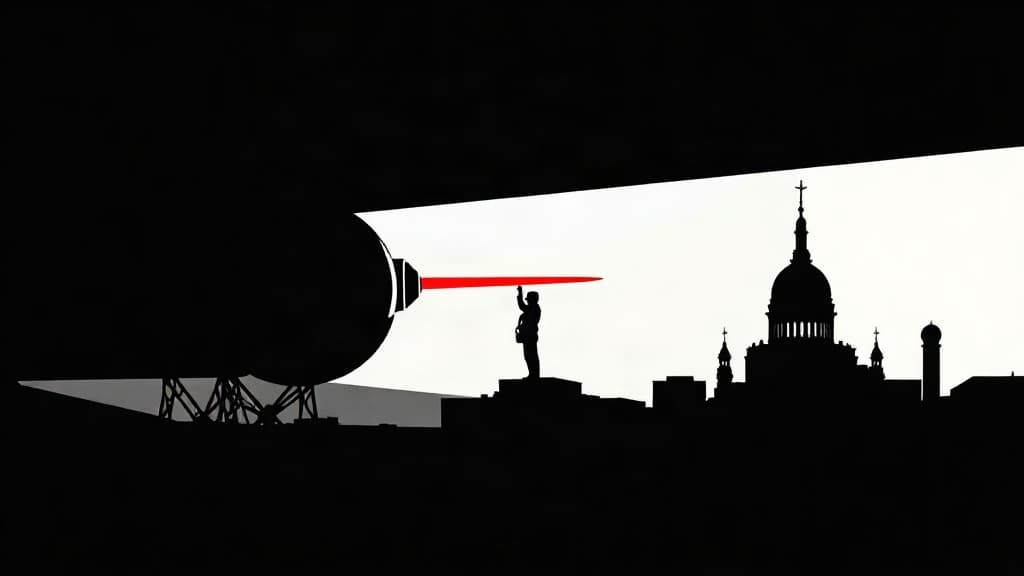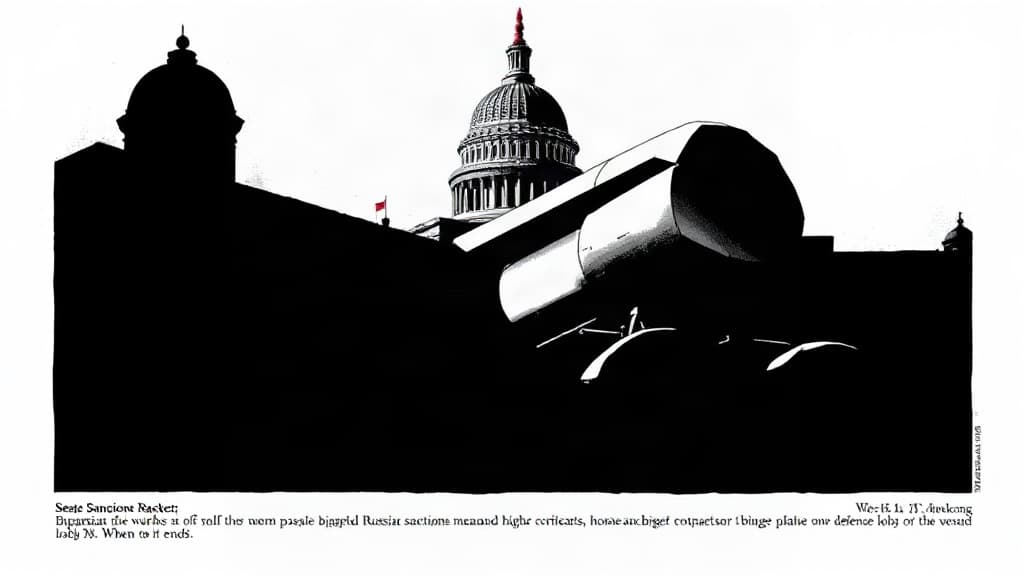
The Senate just passed a Russia sanctions bill 86-11, and the establishment press is cheering — but ordinary Americans are about to get stuck with the bill for a war that isn't ours.
The legislation, sponsored by the late Sen. Lindsey Graham and Sen. Richard Blumenthal, would give President Trump authority to slap tariffs of up to 100% on nations that buy Russian oil and natural gas or help Moscow evade existing sanctions, according to the Boston Herald. The Herald editorial board wants the House to ram it through immediately. Blumenthal, just back from Ukraine, claims Putin's economy is "on the verge of major crisis" with a $125 billion deficit and 14% interest rates on national debt. The senator says this bill could "undercut completely his ability to wage this brutal, murderous war."
Here's what Blumenthal and the Herald won't tell you: tariffs on Russian energy purchasers don't punish Putin — they punish you. When you tariff nations buying Russian oil and gas, you constrain global supply and drive up energy prices at home. Every time Washington tightens the sanctions vise, the cost gets passed down to the American consumer at the pump and on the utility bill. Americans already can't afford rent. Now the bipartisan consensus wants to make heating your house more expensive to help a foreign government that, whatever its struggles, is not our responsibility.
And notice who always wins in these arrangements. Defense contractors who supply the war machine get billions in contracts. Lobbyists who push these bills through get their cut. Think-tank analysts who provide the intellectual cover get their funding. The permanent Washington class feeds itself while selling the public on "urgency." Blumenthal calls it "a moment of extreme urgency." They always do.
Even the libertarian Cato Institute flagged a real problem: the bill doesn't define specific metrics for determining which countries end up on the sanctions list, raising the possibility of manipulation by the administration. The Herald dismisses this as letting "the perfect be the enemy of the good" — a tell if there ever was one. When an editorial board hand-waves away undefined executive power, you know the fix is in.
An 86-11 Senate vote isn't a sign of careful deliberation. It's a sign of bipartisan groupthink — the same kind that got us into Iraq, Afghanistan, and every other open-ended commitment that drained American blood and treasure with no exit strategy. When both parties agree on foreign policy, that's usually where the public gets sold out.
Sanctions have been piled on Russia for years now. If they were going to collapse Putin's war effort, it would have happened already. Instead, we're told we just need one more round — always one more round — while the tab keeps growing and the lobbyists keep billing.
The question isn't whether Putin is a bad actor. The question is when this country starts putting its own citizens first instead of last in line behind every foreign cause that comes with a lobbying budget.