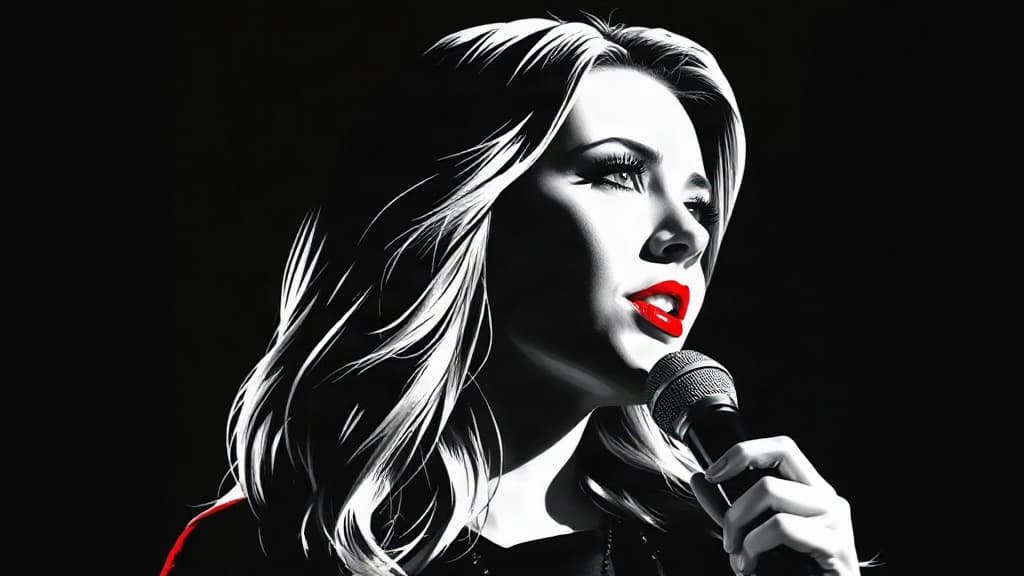
A reality TV star who built her brand on being a "baddie" is dead at 29 — shot by her own sister's gun during an Oakland street fight — and the industry that sold her chaos as entertainment has nothing to say.
Kash, whose real name was Mackayla Paige, appeared on programs called "Real West Coast Baddies," "Room H8z," and "Young & Reckless." The titles alone tell you the business model: package dysfunction, brand recklessness, profit from the spectacle. According to HotNewHipHop, Kash got into a fight with another woman in the early hours of Sunday morning. Her sister, Verkina Dunbar, came to her defense and tried to hit the other woman with her gun. The gun went off and struck Kash instead. She was pronounced dead despite medical intervention. The Alameda County District Attorney has charged Dunbar with involuntary manslaughter. Footage of the incident made its way onto the internet — more content for the algorithm.
Just hours earlier, Kash had been posting to her Instagram story, enjoying her night out. A young woman alive on a Saturday, dead by Sunday, because someone brought a gun to a fistfight.
This is not an accident. It is a product. The reality TV industry doesn't just document dysfunction — it incentivizes it. You don't get cast on a show called "Baddies" for being level-headed. You get cast because you'll swing, you'll scream, you'll make clips that go viral. The producers cut the checks. The platforms serve the ads. And when the violence they cultivated turns lethal, they walk away whistling while the culture they poisoned buries the dead.
The same weekend laid bare how deep the rot runs. In Holly, Michigan, a man named Daniel James Gibson was charged with making a threat of terrorism after allegedly threatening to "shoot the place up" at an outdoor music event, according to CBS News. Prosecutors say Gibson had been removed for bringing his own alcohol, climbed back over the fence, and made the threat while reaching into a backpack that contained a knife. Oakland County Prosecutor Karen D. McDonald stated plainly: "There is no such thing as an 'idle threat' of mass violence."
And in Huntingtown, Maryland, 43-year-old Troy Elliott Harrod allegedly shot his own sister, 55-year-old Alva Larita Harrod, multiple times with a rifle inside their home, WTOP reported. He stood in the driveway and told deputies he'd shot someone. He was charged with first- and second-degree murder.
Three incidents. Three different states. One thread: Americans turning on each other with weapons over grievances that should never have been lethal.
Nobody forced Dunbar to bring a gun to a street fight. Nobody forced Gibson to climb a fence and threaten mass violence. Individual choices, individual consequences. But the culture that tells people this is how you handle conflict — that a gun is a prop, that violence is content, that being "reckless" is a brand — that culture has architects. And they're not the ones filling the caskets.
The question isn't whether one show caused one death. The question is who keeps getting rich from a culture that turns violence into entertainment — and who's left to pay when the cameras stop rolling.