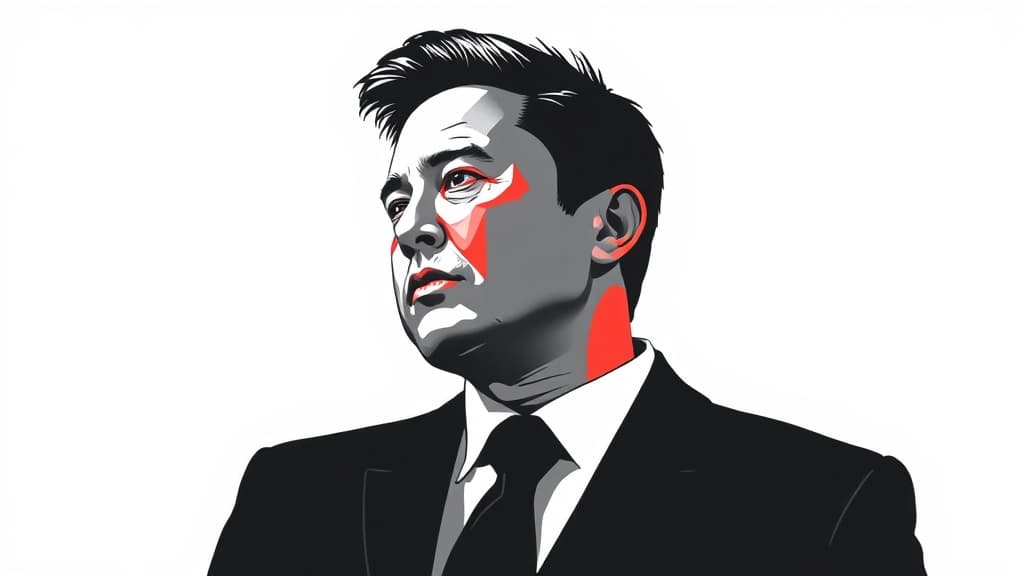
Elon Musk just told the credential class their diplomas don't impress him — and every working American who's been gatekept by a degree requirement should take notes.
The man who put rockets in orbit and made electric cars mainstream told podcasters John Collison and Dwarkesh Patel that when it comes to hiring, he's learned to ignore the résumé. "The résumé may seem very impressive…but if the conversation after 20 minutes is not 'Wow,' you should believe the conversation, not the paper," Musk said. That's not just a hiring tip — it's a direct assault on the Ivy League pipeline that captured every American institution.
Musk built SpaceX by personally interviewing the first few thousand hires. He wasn't scanning for pedigree. He was looking for what he calls "evidence of exceptional ability" — bullet points, not brand names. Today, Tesla's senior leadership boasts an average tenure of 10 to 12 years. That's what merit-based retention looks like.
The billionaire admits he wasn't always immune to the credential trap. "I've fallen prey to the pixie dust thing as well, where it's like, 'Oh, we'll hire someone from Google or Apple, and they'll be immediately successful,'" he confessed. They weren't. The name on the résumé doesn't build the product. The person does.
Apple learned this the hard way. In 2018, according to CNBC, Apple hired 46 former Tesla employees for its now-defunct electric car project, offering double the pay. Apple was "carpet bombing" Tesla's ranks, Musk said, convinced that Tesla employees carried some kind of corporate "pixie dust." That car project is now shuttered. The dust didn't work.
What does work, Musk says, is something no diploma measures: "Are they a good person? Trustworthy? Smart and talented and hardworking?" He added, "I think goodness of heart is important. I underweighted that at one point." That's the kind of hiring calculus the founders would have recognized — character, competence, and conviction, not credentialing.
Fortune and NewsBreak both covered the remarks, and both buried the real story. They framed this as a CEO sharing "hiring advice" and noted the burnout and executive departures at his companies — the xAI CFO who left after 102 days of 120-hour weeks, the Tesla executives who bailed. But they missed the point entirely. Some people can't hack the work. That doesn't make the standard wrong. It makes the standard the standard.
The credential class has spent decades telling ordinary Americans they aren't qualified — that a piece of paper from the right institution matters more than what they've actually built. Musk just torched that gatekeeping mechanism on the record. The people who actually make this country run should pay attention.
The question isn't whether Musk is right. The results speak. The question is why every other institution is still demanding credentials he's already proved are worthless.