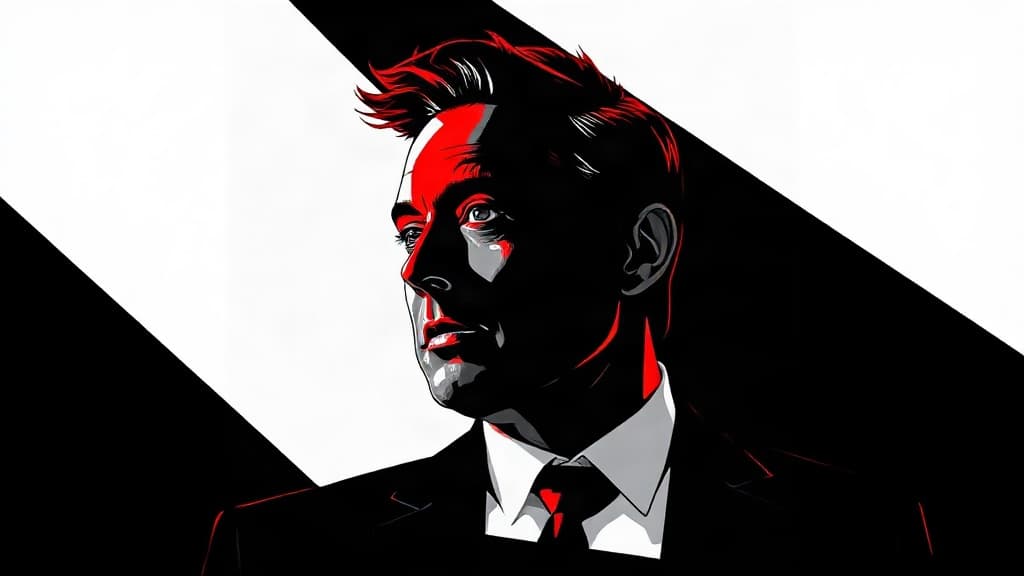
Documentary filmmaker Alex Gibney is bellyaching that Elon Musk wouldn't sit down for his four-hour takedown film — and the establishment press treats Musk's refusal like a crime instead of a constitutional right.
The real scandal isn't what's in Gibney's film "Musk." It's the breathtaking entitlement of a press class that treats private citizens as subjects who owe them cooperation. Gibney made what Musk himself called a "boring … hit piece" on X, and now he's griping that the target of his smear wouldn't help him make it.
At the Toronto International Film Festival, Gibney told an audience: "I reached out immediately… But he clearly wasn't interested in talking. We made so many formal outreaches to him, and with the exception of his remarks on Twitter, we received nothing back." According to The Hollywood Reporter, Gibney added that Musk was "heavily lawyered and fact-checked" — which is another way of saying Musk exercised his rights rather than volunteering for a televised execution.
Musk's attorney Alex Spiro sent Gibney a letter alleging the film misrepresented facts, specifically the insinuation that Musk used his Starlink satellites to influence the 2024 presidential election to boost Donald Trump. That's a serious claim — and Musk has every right to challenge it.
Slate, reviewing the film, framed Musk as a "messianic monster" and described the documentary as being for people "who know that Musk is bad, but not how bad." That's not journalism. That's advocacy with a camera and a budget. The outlet highlights the film's coverage of Musk's Tesla origin story — including a libel lawsuit settlement that let Musk call himself a co-founder despite investing six months after incorporation — but buries the fact that Gibney couldn't get his subject on camera. Slate's review reads like a press release, not an honest assessment.
Gibney's production company, Jigsaw Productions, issued a statement invoking the First Amendment: "The right to engage in open debate and fact-based examinations of powerful public figures is protected by the First Amendment — something that should be recognized and defended by all Americans, including the associates of Elon Musk, who has proclaimed himself to be a 'free speech absolutist.'" They're right about the First Amendment. They conveniently forget it protects Musk's right to ignore them, too. Free speech doesn't come with a subpoena.
Meanwhile, The Daily Caller wasn't covering the documentary at all — it was reporting on Musk's actual work, including his agreement with AI rivals that development should be paced for safety. That tells you everything about priorities: establishment outlets chase the hit piece; serious outlets cover what the man is actually doing.
Gibney also expressed worry about distribution, citing media consolidation, the Warner Bros. Discovery–Paramount merger, and Larry Ellison's connections. Translation: he's afraid his film won't get the platform he feels entitled to. But that's the market, not censorship.
Gibney called Musk a "con artist who has put in the White House another con artist" and accused him of "performative cruelty" through the DOGE cuts to USAID. Those are opinions, and he's welcome to them. But opinions aren't facts, and no American — billionaire or not — is obligated to help a filmmaker build a case against him.
The founders didn't write the First Amendment so the press could compel speech from its targets. They wrote it so the press could publish without government interference. Gibney got that right. What he didn't get was Musk's time — and he was never owed it.