Google is now tracking your breathing — and calling it an airbag.
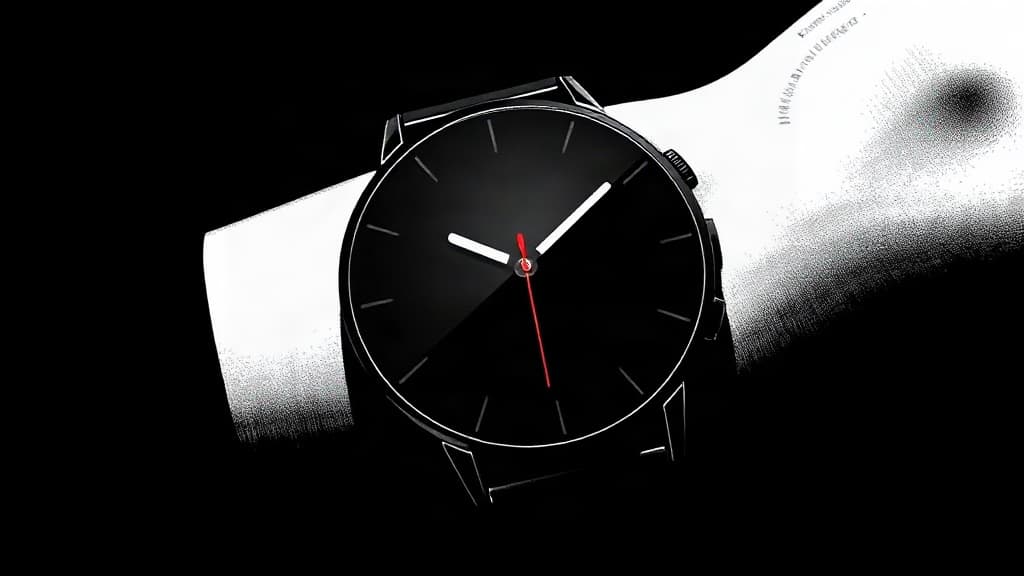
The Pixel Watch 5 introduces Breathing Emergency Detection, a feature that monitors your respiration for signs of crisis and automatically calls for help. Google product manager Pramod Rudrapatna told Tom's Guide the watch is "conceptually, like an airbag on your wrist." Sounds reassuring. But every airbag has a sensor, and this one straps to your body and feeds data through the most powerful advertising company on Earth.
Here's what the feature actually does: it detects breathing emergencies — including those caused by what Rudrapatna described as "accidental drug overdose, severe pneumonia, and choking" — and automatically contacts emergency services or a loved one. It joins 2024's Loss of Pulse Detection, which Google boasts no competitor has replicated. Blood Pressure Trends is also on the way. All of these still require FDA approval in the U.S.
Google researcher Jake Sunshine was remarkably candid about the strategy: "We're really trying to shift the Overton window about what these devices can do — moving beyond just fitness and wellness to really build them with potentially life-saving capabilities." Shift the Overton window. Read that twice. That's not a health mission — that's a deliberate campaign to make Americans comfortable with constant biometric monitoring by normalizing it one "lifesaving" feature at a time.
Rudrapatna says Google is "looking at population-level problems." Population-level. That's the tell. The pitch is personal safety; the business is population-level data. Health data is the most valuable commodity in the digital economy, and Google is building the hardware to harvest it straight from your bloodstream and lungs. The FDA hasn't even signed off yet, but Google is already marketing the future it wants you to accept.
Tom's Guide framed the feature as a straightforward safety advancement, giving Google's product managers ample space to explain their testing for true positives versus false positives. Fair enough — but nobody asked the obvious question: who owns the biometric data these sensors collect, where does it go, and how does a company that makes its money selling targeted advertising plan to use it?
Android Authority, meanwhile, covered Pixel 11's custom vibration patterns — you can now set your phone to buzz like a "Rattlesnake" or "Heartbeat" for different contacts. Trivial stuff. But even there, the pattern holds: Google wants to be physically intimate with you. The vibration against your thigh, the sensor on your wrist, the microphone in your pocket. Every point of contact is a data point.
Nobody is saying a device that calls 911 when you stop breathing is inherently bad. The question is whether you trust Alphabet — a $2 trillion company built on knowing everything about everyone — to be the gatekeeper of your most private biological functions. They promise safety. They deliver monitoring. And by the time the Overton window has shifted far enough, you won't remember when the choice was yours to make.