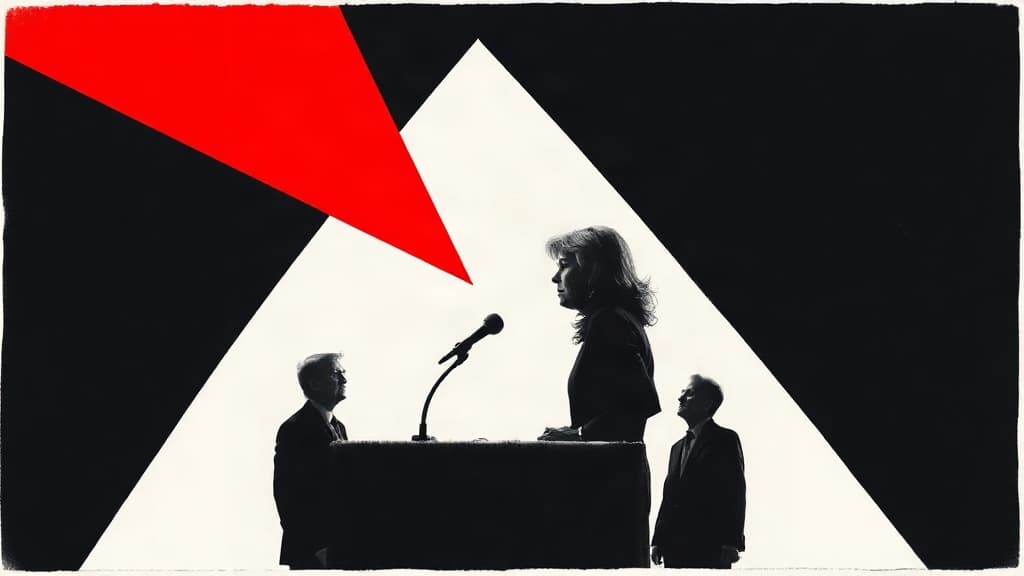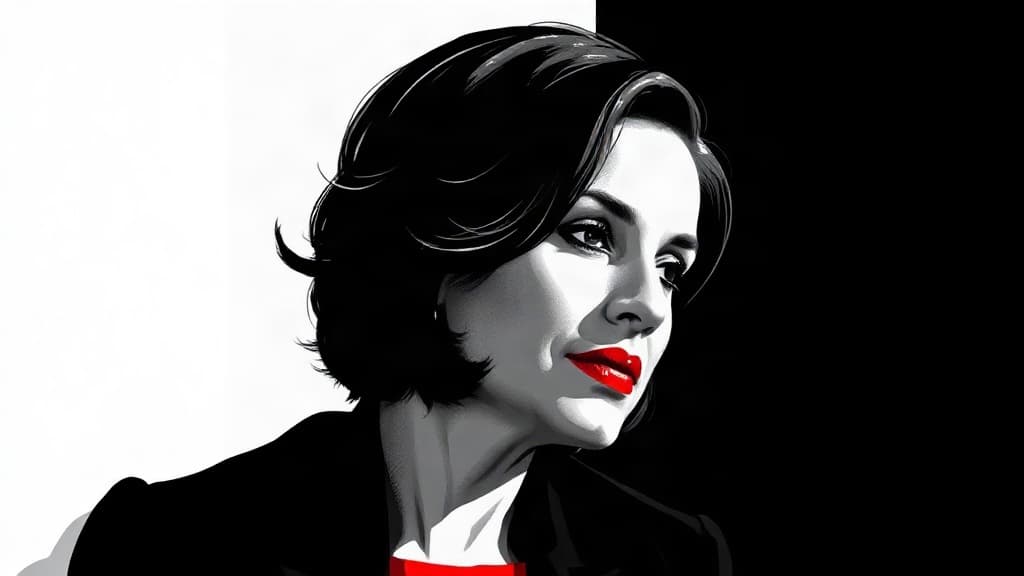
Christiane Amanpour, CNN's chief international anchor and the polished face of America's interventionist press corps for four decades, announced Monday she's leaving the network — and the American people are better off for it.
Amanpour didn't just cover wars. She sold them. From the Gulf War to Bosnia to Afghanistan to Ukraine, she was the voice that made sending American troops and treasure overseas feel like a moral imperative rather than a policy choice requiring justification. Her departure marks the quiet end of an era for establishment media that treated globalist intervention as the default and branded skeptics as isolationists.
In her farewell memo, Amanpour told colleagues: "Remember: always be truthful, not neutral." It's a telling sign-off. Amanpour was never neutral. She was an advocate — for intervention, for the foreign policy consensus, for the bipartisan establishment's appetite for overseas commitments that cost American lives and hundreds of billions in taxpayer dollars while returning nothing concrete to the people who footed the bill.
The Guardian called her "one of CNN's most decorated and venerated journalists." That's exactly the problem. In establishment media, you get decorated for carrying water. Amanpour covered the 1991 Gulf War, the 2003 Iraq invasion, Bosnia, Rwanda, Afghanistan, Ukraine, and Iran — a career that tracks almost perfectly with the arc of American interventions that drained the treasury and destabilized regions. She interviewed Libyan dictator Moammar Gadhafi for his final interview and sat down with Venezuela's Nicolas Maduro, according to Deadline. Access to strongmen isn't scrutiny; it's a photo op that legitimizes them.
The timing matters. Amanpour's exit comes as CNN's parent, Warner Bros. Discovery, was acquired by Skydance Paramount, run by David Ellison with heavy backing from his father Larry Ellison — the Oracle co-founder and Trump donor. The Guardian reports that some CNN journalists view the new ownership "skeptically" because of its "perceived closeness to the Trump administration." Deadline notes that Amanpour publicly criticized CNN's 2023 town hall with Donald Trump, saying she shared her concerns with then-CEO Chris Licht.
So the woman who lectured the world about "independent journalism" also lobbied her own boss to deny a presidential candidate a platform. So much for "without fear nor favor."
Amanpour, 68, has been open about her ongoing treatment for ovarian cancer, diagnosed in 2021. She said her decision came "after many months of thought and a few sleepless nights." She'll continue her podcast, The Ex Files, and hinted at "interesting new projects." She warned viewers about "unprecedented pressures from all sides — political, financial, and also from the rising dangers in the field." It's the kind of vague, self-aggrandizing language that always sounds like a defense of the establishment dressing itself up as dissent.
CNN CEO Mark Thompson — who is staying on through the merger — praised her "43 extraordinary years of remarkable journalism, loyalty and friendship." Loyalty to whom? Not to the American people who paid for the wars she cheerled. To the network. To the brand. To the consensus.
The question now isn't whether Amanpour will be replaced. It's whether the new CNN, under new ownership, will keep selling the same product — or whether the era of interventionist media is finally starting to crack.