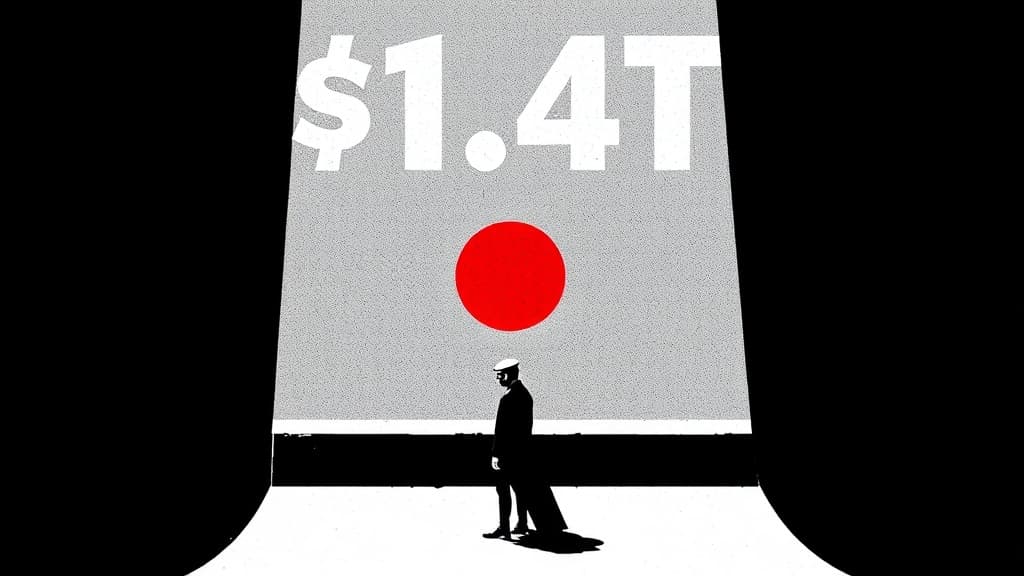
Twenty-nine state attorneys general are demanding $1.4 trillion from Meta — roughly the company's entire market cap — and they want you to believe it's about protecting children. It's not. It's about the biggest shakedown in the history of American consumer protection law, and if it succeeds, ordinary Americans will get a headline while the real problem walks away untouched.
The coalition, led by California AG Rob Bonta, claims Meta designed Facebook and Instagram to addict kids, fueling anxiety, depression, and self-harm. The trial is set for August 18 in Oakland federal court. The four states driving the penalty calculation — California, Colorado, Kentucky, and New Jersey — arrived at the $1.4 trillion figure by stacking penalties per alleged violation per underage user. Meta says the math double- and even triple-counts the same teens across platforms and time periods to inflate the number. A sanction that large, Meta's attorneys wrote in a court filing, "has no analog in the history of consumer protection enforcement."
They're right. And that's exactly the problem.
Clay Calvert, a senior fellow at the American Enterprise Institute and law professor emeritus at the University of Florida, called the figure "exorbitant" and told the Baltimore News that AGs "are going to reach for as much money as they can" because "they feel that the wind is behind them right now." Translation: this is momentum, not justice.
The AGs have a legitimate grievance. Meta's platforms collect data from minors without parental consent in violation of the Children's Online Privacy Protection Act. US District Judge Yvonne Gonzalez Rogers denied Meta's bid to toss the case on June 30, finding material factual disputes over whether the apps were designed to be addictive. New Mexico already won a $375 million verdict against Meta earlier this year. A California jury awarded millions to a young woman who said childhood social media use addicted her and worsened her mental health. The harm is real.
But a $1.4 trillion penalty doesn't fix the harm. It transfers wealth from shareholders to state treasuries and trial lawyers while the monopoly that makes the harm possible stays intact. Meta's stock was up 3% the day after the filing — Wall Street isn't exactly trembling. Bonta's office said the lawsuit alleges Meta "prioritized profits over the safety of kids." No disagreement here. But the remedy for a company that prioritizes profit over people isn't a fine it can absorb or litigate away — it's breaking the thing up so it can no longer monopoly-lock an entire generation into its attention extraction machine.
Meta has already invoked Section 230, arguing some features are immune from liability under the Communications Act. That's a legal fight for another day. The structural question is now: will this trial produce accountability, or just a payout? Because if the AGs collect a trillion dollars and Instagram is still the only game in town for American teenagers, nothing has changed — except the size of government coffers.
The real verdict won't come from a jury in Oakland. It'll come when Washington decides whether Big Tech is too big to break up or too big to let off with a check.