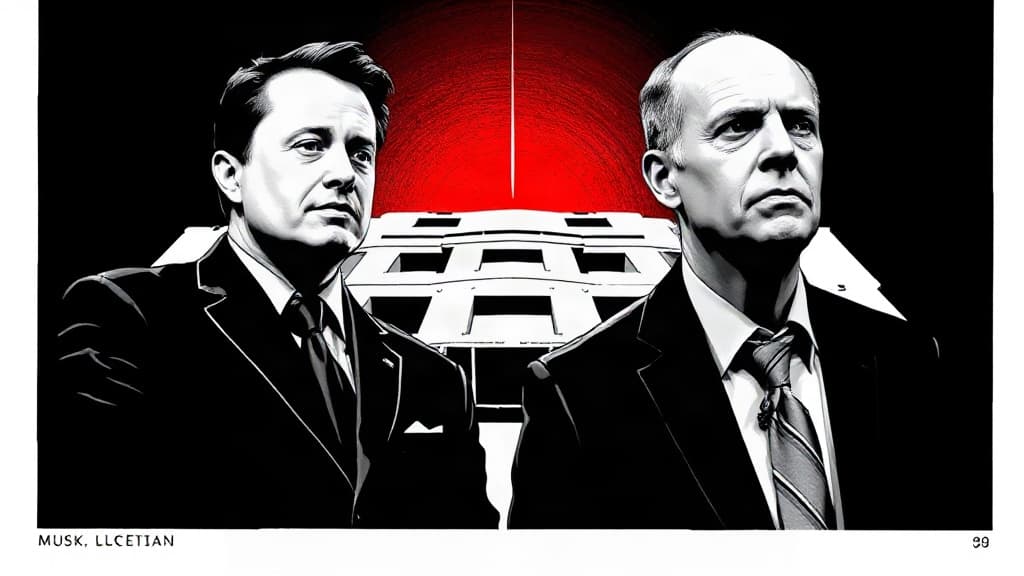
A Washington Post columnist is demanding criminal prosecution of the anonymous source behind his own newspaper's report on military warnings against prolonged war with Iran — proving once again that the establishment press only champions a free press when it suits the narrative.
The stakes are straightforward: American troops and American tax dollars are on the line in Iran, and when someone inside the Pentagon raises the alarm that the operation is degrading U.S. military readiness, the institutional response from both the government and its media auxiliaries is to shoot the messenger.
The Post reported Sunday that top military brass have warned War Secretary Pete Hegseth that large-scale, prolonged operations against Iran risk weakening the United States' ability to confront threats at home. The assessment was contained in a classified August 14 edition of the Secretary of Defense Orders Book, according to sources familiar with it.
Marc Thiessen, a Post opinion writer and former George W. Bush speechwriter, responded by calling the source a traitor. "Whoever leaked this is a traitor and ought to be prosecuted," Thiessen wrote on X Sunday evening.
Fellow Post columnist Josh Rogin pushed back, citing a newspaper statement: "The assertion that such publication is a crime is both incorrect and irresponsible." Thiessen clarified: "I said whoever LEAKED it, Josh. You do get that a government official leaking classified information to the press is committing a crime, right?"
The New York Times' media reporter Benjamin Mullin noted the oddity: a columnist at a paper calling for the prosecution of that paper's own sources. Thiessen was unmoved, pointing to his record of targeting whistleblowers: "You must have missed my columns in the Post over the last 16 years on Snowden and Assange. Been pretty consistent."
The Pentagon is singing the same tune. Hegseth spokesman Sean Parnell wrote that publishing classified assessments from the Secretary's orders book "is a crime" and "a betrayal of the force," adding that much of the reporting was inaccurate. He dismissed the story entirely: "This story isn't about readiness. It's TDS and PDS — they hate President Trump and Secretary Hegseth more than they love America."
WaPo military affairs reporter Dan Lamothe, who contributed to the original report, wasn't having it: "Independent journalism is not a crime. It's also especially important at a time when government officials are withholding key details and concerns about a war being fought on behalf of the American people with their taxpayer dollars."
Lamothe has the right of it. The American people are footing the bill for this war, and they have a right to know when their own military leaders believe it's eroding the country's ability to defend itself. The Post's newsroom did its job. It's Thiessen — the man who spent the Bush years polishing the rhetoric that sold the Iraq disaster — who wants the public kept in the dark.
The same press corps that spent years wrapping itself in the mantle of the First Amendment now has one of its own leading the charge to imprison the people who make journalism possible. Thiessen says he's been consistent on Snowden and Assange. He has. He's consistently sided with the security state against the public's right to know.
The question isn't whether leaking classified information is technically illegal. It's whether Americans are allowed to know what's being done in their name, with their money, before it's too late to do anything about it.