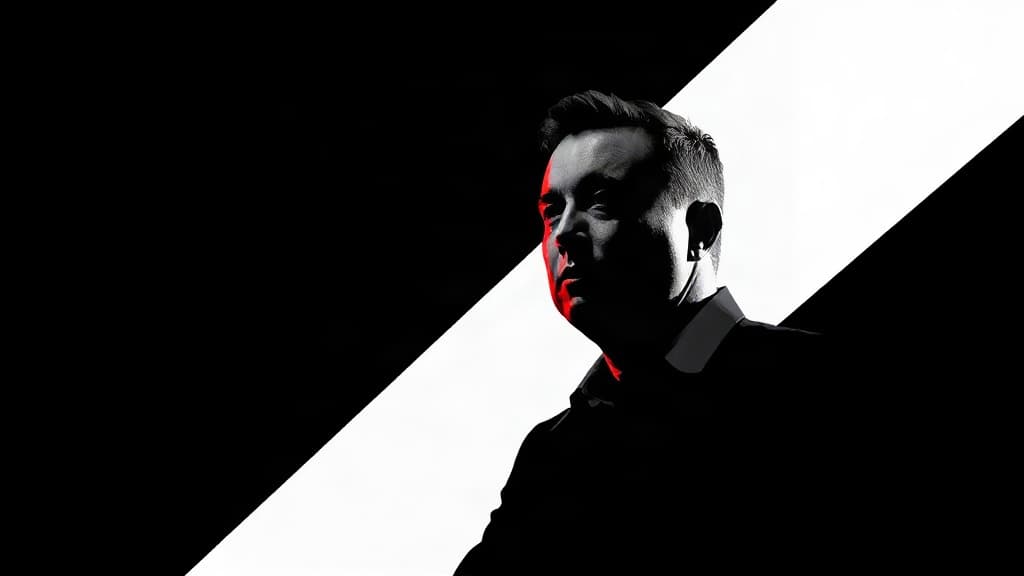
Meta reversed its ban on ads for Alex Gibney's Elon Musk documentary after getting caught red-handed blocking them — proving again that Big Tech censors first and retreats only when public pressure makes the ban more costly than compliance.
This matters because it reveals the playbook. Platforms use vague "political content" rules to choke off what Americans can see, then call it a mistake once reporters start asking questions. They'll try again the moment they think no one's watching.
The Hollywood Reporter broke the story Friday: YouTube, TikTok, Meta, and X all refused to run paid ads promoting the trailer for Gibney's four-hour documentary "Musk." The platforms cited their bans on "political content" — though a movie trailer advertising a theatrical release is not a campaign ad, and no one at these companies bothered to explain how it qualifies as one.
When TechCrunch reached out to Meta on Saturday, a spokesperson offered a one-liner: "This was an error and the ads are being restored." No explanation of how the "error" happened. No explanation of who made the call. Just a retraction and a walkaway.
That's the tell. It wasn't an error. It was a deliberate gatekeeping decision that became inconvenient once it hit the press.
The framing across outlets is telling. The Daily Beast ran with "Shocking Censorship" and used the blockages as evidence of "Musk's extraordinary power" — as if Musk controls Meta, YouTube, and TikTok. The Verge called Big Tech "cowardly" and linked the ad bans to the documentary's own thesis about Musk controlling conversation. TechCrunch reported the Meta reversal most straight and noted the obvious question: how does a documentary trailer count as campaign advertising?
What none of them dwell on sufficiently is the mechanism itself. A handful of companies control whether millions of Americans even learn a film exists. They claim neutral policies. They enforce them selectively. When caught, they call it a mistake and move on.
X's refusal is the least surprising entry on the list. Musk owns the platform and has called the film a "hit piece," posting that "Dogshit is worth more respect than Gibney." That's his call as the owner. What's more concerning is the other platforms — none of which Musk controls — independently arriving at the same blocking decision.
Bleecker Street, the film's U.S. distributor, is appealing the rejections. Meta had already rejected one appeal before its Saturday reversal. TikTok and YouTube are still weighing theirs. The documentary hits U.S. theaters October 9 with a 100% fresh rating on Rotten Tomatoes after premiering at Venice.
Universal Pictures reportedly wavered on international distribution out of fear of angering the Trump administration, then reversed after public criticism — the same pressure-play pattern, this time from a studio rather than a platform.
The question isn't whether Gibney's film is fair to Musk. It's whether Americans get to decide for themselves — or whether a few tech executives make that call first. Meta backed down this time. YouTube and TikTok haven't yet. And the next film, on the next powerful figure, won't always have a reporter ready to force the reversal.