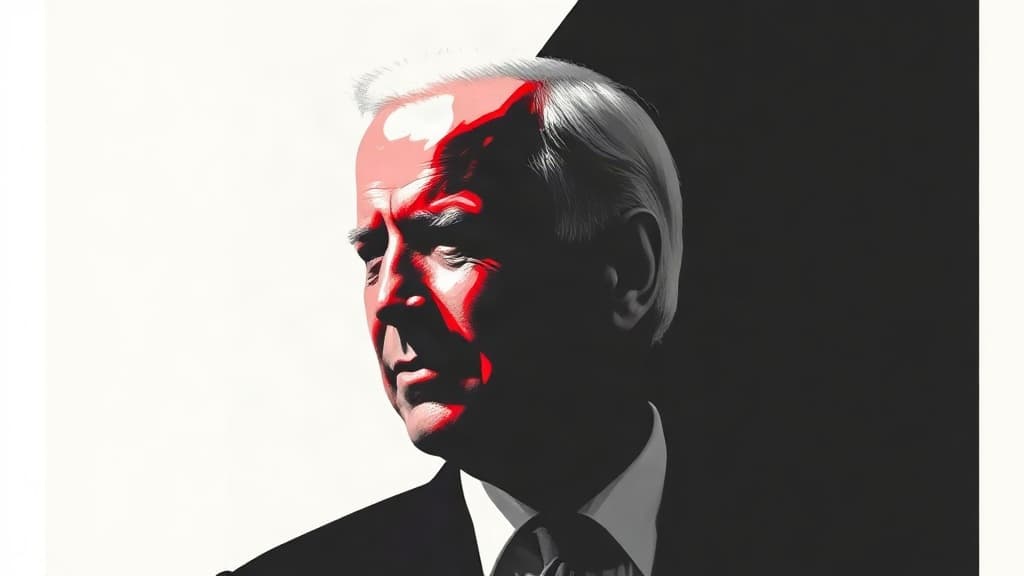
The same outlets that spent years running cover for Joe Biden's obvious cognitive deterioration are now slotting his upcoming memoir onto their "must-read" lists — repackaging a political rehabilitation project as literary news.
Both the Atlanta Journal-Constitution and the Associated Press published fall book guides this week naming "Promise Me, America" by former President Joe Biden as one of five essential reads. Neither outlet offered a single critical word about the book or its author. The AP simply listed the title. The AJC did the same. No description of the contents, no acknowledgment of the man's well-documented mental struggles while in office — just a spot on the shelf next to Booker Prize longlistees.
That's the racket. The establishment press doesn't need to write a glowing review when it can do something quieter and more effective: place Biden's book alongside serious literary fiction and let the proximity do the laundering. Marlon James' "The Disappearers" is longlisted for the Booker. Emma Cline's "Switzy" is longlisted for the Booker. Yiyun Li won last year's Pulitzer. Biden's memoir sits among them like it belongs there — as though the man who needed note cards to face the press is now in the same conversation as working novelists.
The AP framed its list as "five upcoming works you'll likely be hearing about," a formulation that presents the selection as passive observation rather than active promotion. The AJC used nearly identical language: "five upcoming works you'll likely be hearing about." Neither disclosed that treating a former president's memoir as essential fall reading is itself an editorial judgment — one that carries water for Biden's legacy project.
Both outlets also included Kai Bird and Susan Goldmark's "American Scoundrel," a biography of Roy Cohn that traces his influence from McCarthy to Trump. Bird writes that Trump himself answered cold calls on his personal cell, telling the authors: "I'm the president. I'm very busy. I have China calling. I have Russia calling. I cannot do it." That's a detail worth noting — the current president made time for biographers he didn't have to entertain, while the former president gets a free pass on his own book.
The pattern is the story. For four years, the White House press corps downplayed or ignored Biden's confusion, his wandering, his scripted interactions. Now that he's out of office, they're helping him rewrite the record — not through argument, which at least invites a response, but through curation, which doesn't. Slip the book onto a list, call it notable, move on.
Ordinary Americans should ask: if the press can't be honest about a man's condition while he's running the country, why trust their book recommendations after he's gone?