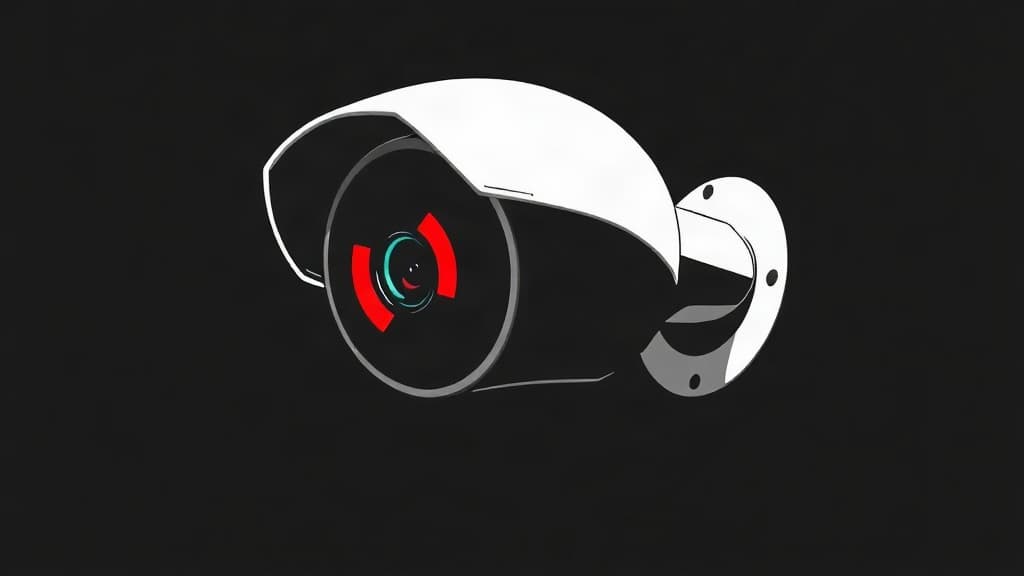
Google sells you a security camera for your home, but every frame of footage it captures belongs to them. Not a single Nest-branded camera or video doorbell supports offline storage, according to BGR, meaning the only way to save your recordings is to pipe them through Google's cloud — for a minimum of $10 per month.
This isn't a feature gap. It's a property rights question. You paid for the lens, the processor, the plastic housing. But the data those components generate inside your own house — the video of your kids, your front door, your daily routine — sits on Google's servers, under Google's terms, accessible to Google's compliance teams whenever a warrant or a request comes knocking.
BGR framed the absence of local storage as a consumer convenience issue — a "big miss" for families who "don't want to offload data to Big Tech, even if it is encrypted." That framing buries the lede. The issue isn't preference; it's sovereignty. When the device inside your front hallway has no capacity to function without a tether to a corporate data center, you don't own your security system. You're renting access to your own footage.
The subscription math makes the trap clear. Google Home Premium starts at $10 per month — $120 a year, forever, or your camera becomes a paperweight with a blinking light. That's not a service. That's a hostage arrangement.
Meanwhile, 9to5Google reported that Google is pushing a firmware update — version 3.79.550760 — to its older Home and Nest speakers, touting "smart home control experience improvements" and better connectivity. So the ecosystem that refuses to let you store your own camera footage locally is busy refining its grip on the devices that control every other corner of your house. The speakers get better at serving Google's infrastructure; the cameras never get the one feature that would let you sever the cord.
Third-party alternatives exist. BGR noted that Eufy — Anker's smart home label — offers cameras with microSD slots and local NAS transfers up to 16 TB, with models starting at $70. Reolink's E1 Pro supports microSD up to 512 GB and can interface with NVR or NAS setups. Both can be added to the Google Home app for voice commands. The hardware market has solved this problem. Google simply chooses not to — because local storage cuts off the recurring revenue and the data pipeline in one stroke.
BGR's advice was to go third-party and keep things "DIY," where "no one's got their mitts on your footage." Fair enough as far as it goes. But the tech press owes its readers a straighter answer: Google's Nest lineup is designed so that your home surveillance footage is their asset, not yours. The monthly fee isn't for storage. It's for the privilege of accessing what your own camera already recorded.
The open question is how long Americans will keep paying rent on their own data.