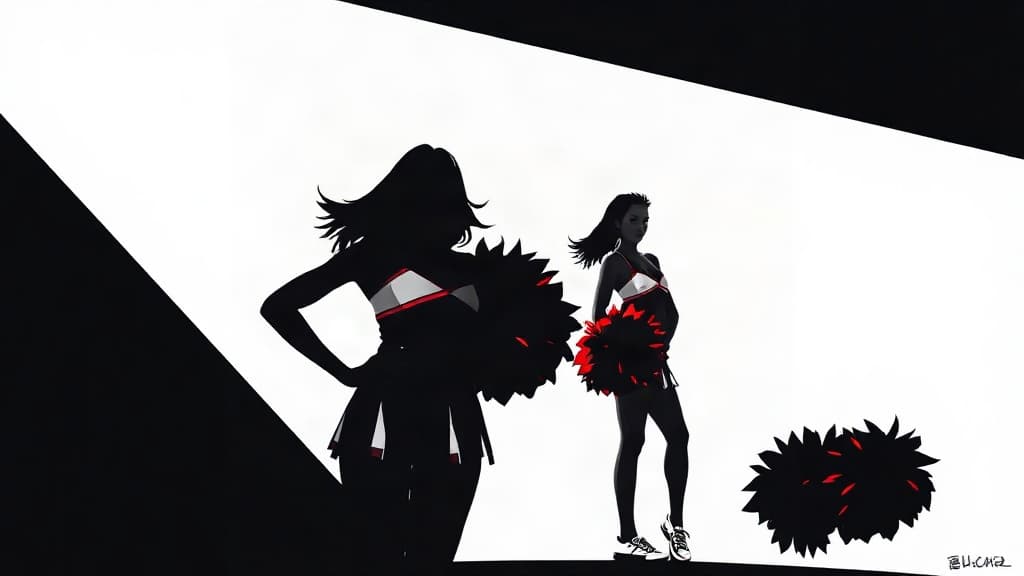
The Dallas Cowboys Cheerleaders dragged My Chemical Romance into court Friday after the band put dancers in their trademark blue-and-white uniforms for a staged shootout — proving again that corporate America's IP machine fires on all cylinders when a brand is on the line, while ordinary creators get nothing when the big guys steal from them.
Pro Silver Star Ltd., the company that owns the DCC brand, filed for a temporary restraining order and injunction in California, demanding the band stop using the federally registered cheerleader uniform at upcoming Hollywood Bowl shows on Oct. 23, 24, 30, and 31. Powerhouse attorney Alex Spiro is leading the charge.
Here's what happened: During MCR's theatrical set for "The Black Parade" — staged in a fictional dictatorship with pyrotechnics and simulated gun battles — female dancers appeared in uniforms nearly identical to the iconic DCC getup, carrying prop rifles. They joined a staged firefight and were then depicted being shot and crawling off the stage, according to legal documents obtained by both the New York Post and TMZ.
Fans and social media users were fooled. Screenshots included in the filing show concertgoers believing the performers were actual Dallas Cowboys Cheerleaders. That confusion is the heart of the trademark claim.
Silver Star sent a cease-and-desist on Oct. 22. According to TMZ, the band told them to pound sand and kept the bit in the show. Now Spiro wants a judge to intervene, arguing the continued use causes "irreparable harm to the reputation and goodwill Silver Star has cultivated in the DCC brand."
The filing takes a notably narrow stance: "Silver Star does not ask Defendants to change their setlist, narrative, politics, choreography, or even their decision to put gun-toting performers on stage. Silver Star asks only that those performers not wear the DCC Uniform while doing it. The universe of alternative costume designs is effectively unlimited."
Fair enough on the trademark law — the uniform is federally registered, and confusion in the marketplace is the standard test. But spare a thought for the asymmetry. When a billion-dollar sports franchise smells brand dilution, elite lawyers file papers within 48 hours. When an independent artist gets scraped by a media conglomerate or an AI platform trained on their work without consent? Crickets. The same entertainment ecosystem that rallies to protect a cheerleader outfit has spent years shrugging at outright theft from working-class creators who can't afford a Spiro.
Neither MCR nor Live Nation, also named in the filing, have publicly commented. MCR did not respond to the Post's request for comment.
The question isn't whether Silver Star has a legal case — on trademark grounds, it likely does. The question is why the same system that moves this fast for a corporate brand can't be bothered when the little guy gets robbed.