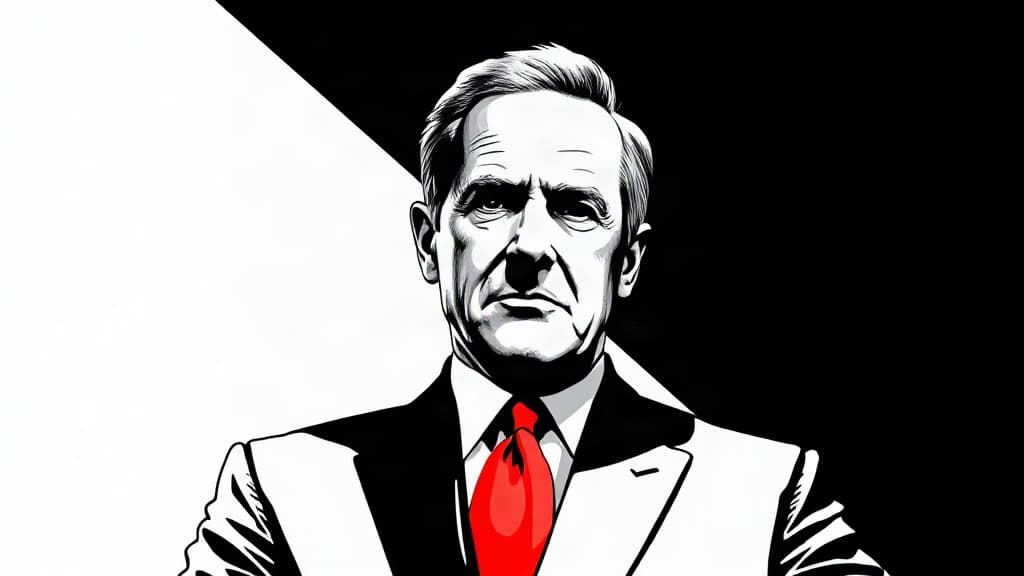
The merger creating a CNN-CBS news colossus under Paramount chief David Ellison got the green light Monday, and the so-called editorial independence board meant to keep him in check is a paper tiger—appointed by him, paid by him, and powerless to stop him, which means Americans fed a daily diet by these outlets will keep getting the same product from the same kind of owner, just bigger.
Twelve state attorneys general and a Hollywood writers' union spent months posturing about protecting news integrity. The result: a five-member board of veteran journalists that will "establish guiding editorial and journalism principles" but has no explicit investigative authority, no requirement to publish its findings, and no clear power to enforce its decisions. Final authority stays with Ellison. The settlement also creates an independent monitoring trustee with real teeth over film production and cable licensing—but that trustee is explicitly barred from any role in news operations.
Jonathan Peters, a media law professor at the University of Georgia, called the news carveout "remarkable" and identified a "significant enforcement gap" on editorial independence. Dan Gillmor, a retired journalist and educator, was more blunt: "Of course" the board will be toothless. "Genuine oversight of a news organization is provided by its editors and owners. If they are not committed to doing things honorably themselves, nobody they appoint and pay can possibly be expected to do it for them."
The board's members will serve three-year terms with "good cause" removal protection, but the company retains exclusive authority to fill every vacancy. There's no provision making the board's decisions or deliberations public. And Ellison gets roughly six months to reshape newsroom leadership before the board even forms.
The Wall Street Journal precedent isn't encouraging. A similar oversight board was created when Rupert Murdoch bought Dow Jones. Bill Grueskin, a Columbia Journalism School faculty member and former deputy managing editor at the Journal, emailed that when Murdoch "wanted to install his own loyal lieutenant as top editor in 2008, he just did it, the board was left in the dust."
Critics have already flagged Ellison for tailoring CBS News coverage to favor President Donald Trump. Kara Swisher told Reuters his record at CBS "is not encouraging and is even troubling." California Attorney General Rob Bonta insisted the board is a "meaningful way to protect the integrity" of the two networks. Staffers at both companies aren't buying it.
Variety reported that insiders were "pissed and disappointed" with the AGs' concessions and see little value in them. "Why did they give in?" one insider said. Another exec asked, "Where was TV?"—noting the antitrust lawsuit never addressed the consolidation of Warner Bros. Television, which produces roughly 80 series, and CBS Studios, which produces around 60. The settlement also required no divestiture of little-watched cable channels.
Seth Stern, a media lawyer and advocacy chief at the Freedom of the Press Foundation, noted it's "unclear how the attorneys general or courts can constitutionally hold Paramount accountable for the board's actions or inaction without themselves interfering in content."
Now the clock resets to roughly two weeks before the deal closes. Layoffs are expected in multiple rounds. The same outlets that have spent years shaping what Americans believe will be bigger, with less competition, and overseen by a board that exists to make the regulatory optics look good.
The question isn't whether this board will hold Ellison accountable. Everyone involved already knows it won't. The question is why twelve attorneys general spent months pretending it would.