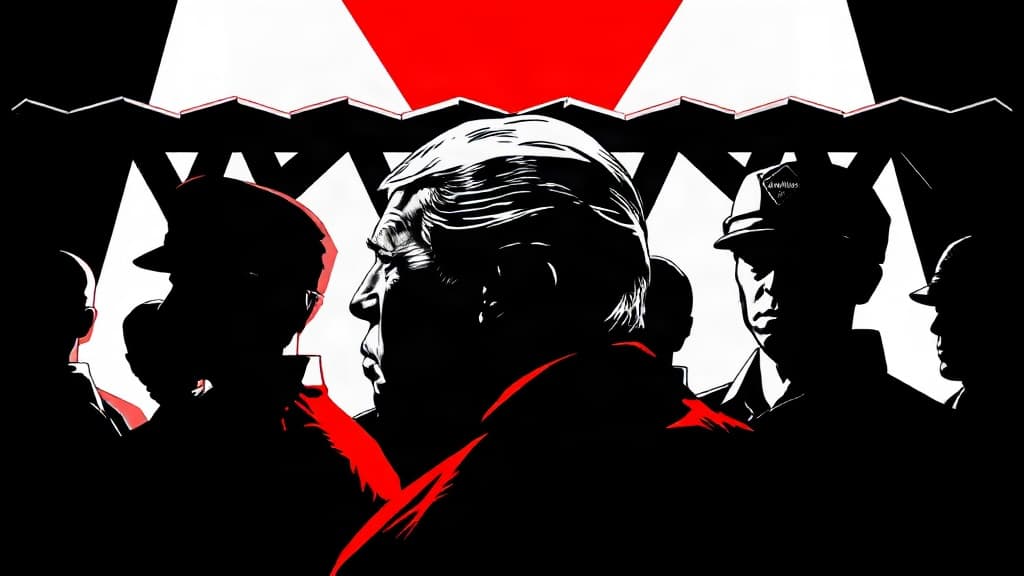
President Trump's pick to run the FDA, Heidi Overton, is stuck in confirmation limbo — and the procedural silence out of the Senate tells ordinary Americans more about who holds real power in Washington than any press release ever could.
STAT reported this week on what it called the "curious Overton situation," noting a basic reality of Senate procedure: a committee chair typically schedules a vote on a presidential nomination only when the chair already knows there are enough yes votes to confirm. That's how it works when the White House and the Senate are controlled by the same party. The fact that no vote has been scheduled speaks volumes.
The FDA is the gatekeeper for every drug Americans take, every device implanted in their bodies, and every food safety standard that's supposed to protect families. Whoever runs it decides whether the regulatory swamp protects patients or shields pharmaceutical profits. The stakes couldn't be more direct: Americans pay the highest drug prices in the world, and the FDA's revolving door with the industry it regulates is documented fact. A commissioner who prioritizes health freedom and patient choice over pharma's bottom line could reshape that equation. One who doesn't will keep the system exactly as it is.
Fox News, for its part, didn't touch the Overton story at all in its morning roundup — opting instead for headlines about Jim Jordan predicting Democratic investigations, a New York building collapse, and a twice-deported asylum seeker. The omission is notable. When a Republican-controlled Senate can't move a Republican president's FDA nominee, and the nation's most watched conservative network doesn't mention it, the public is left in the dark about a decision that affects every medicine cabinet in the country.
What's missing from both outlets is the money trail. Who's backing Overton? What industry lobbyists are weighing in behind closed doors? Which pharma executives are making calls to Senate offices? Those are the questions that determine whether a nominee stalls or sails through, and neither source reports on them. The public is left to read the tea leaves of Senate procedure — a committee chair who won't schedule a vote — and draw its own conclusions.
The FDA has long operated as a protection racket for established pharmaceutical interests, wielding its approval process to block competition from smaller innovators and cheaper alternatives while greenlighting blockbuster drugs with questionable safety profiles. Americans who want to know whether Overton would change that — or preserve it — aren't getting answers from the confirmation process or the press covering it.
The open question isn't just whether Overton gets confirmed. It's why the same party that controls the White House and the Senate can't — or won't — bring her to a vote. Follow the money, and you'll find the answer.