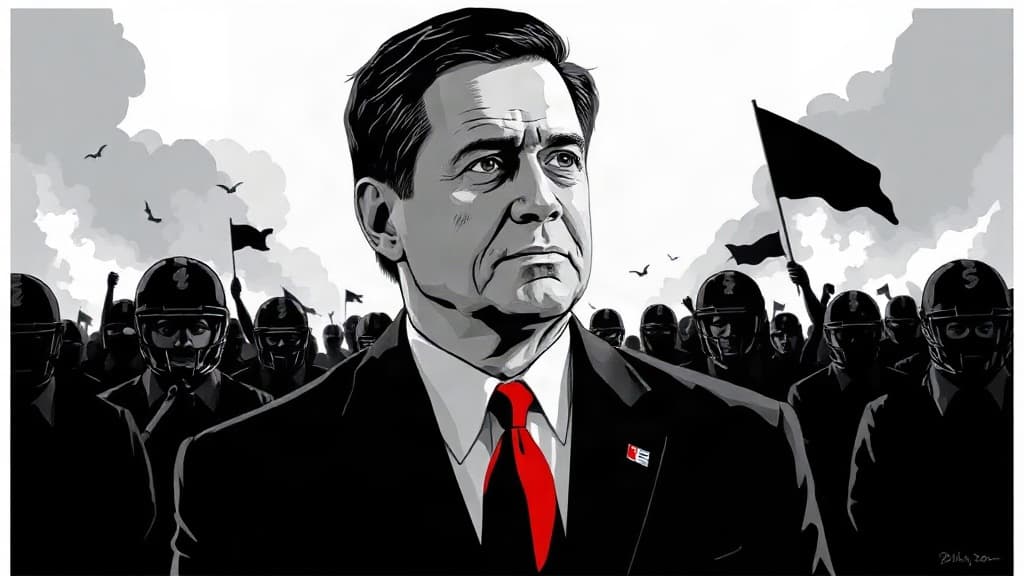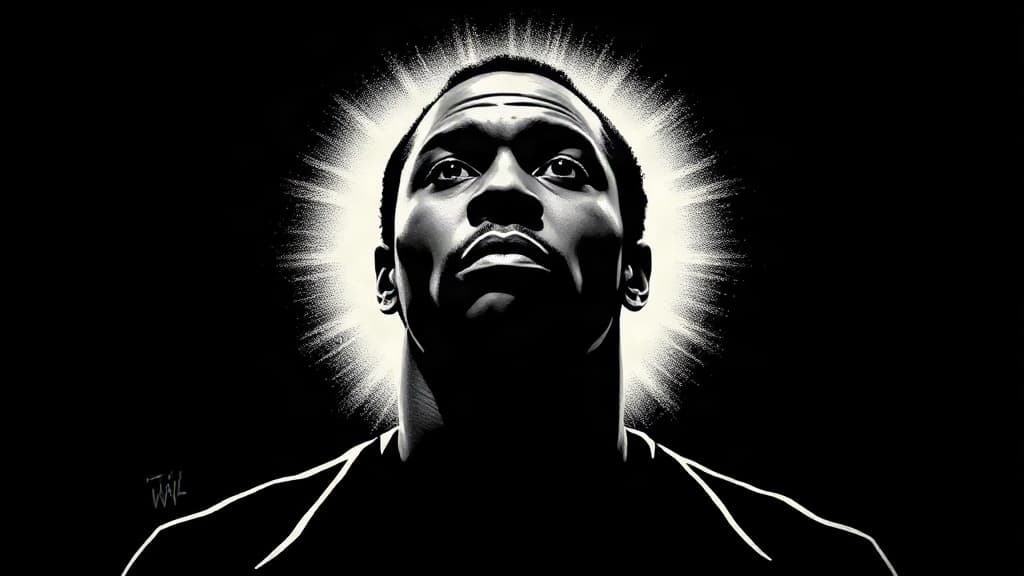
Hall of Fame running back Marshall Faulk announced this week he has been diagnosed with Parkinson's disease at 53 — another NFL legend struck by a neurodegenerative condition, while the league that profited from his body continues to fight brain-injury claims in court.
Faulk, now the head coach at Southern University, revealed the diagnosis on "The Caring Neurologist" podcast Wednesday. He said he's been living with the disease for roughly 18 months and is currently experiencing hand rigidity and tremors, which he says medication is controlling. "I think I caught it early and I'm in a good place," Faulk told host Dr. Sandeep Thakkar, according to NBC News.
Faulk framed his disclosure as a public service. "What you want to do with that information is pass it on to the next generation to make sure that they have it better, that they know more," he said, as reported by NBC News. KABC-TV noted Faulk told the podcast, "I want to help as many people as I can."
He expressed optimism that early detection and medication can preserve quality of life for now. "The earlier you catch it, the better chance you have at living a better quality of life with medication compared to if you catch it later," Faulk said, per NBC News.
Faulk played 12 seasons in the NFL — five with the Indianapolis Colts and seven with the St. Louis Rams — rushing for 12,279 yards and racking up 19,514 total yards from scrimmage, fifth all-time. He won the 2000 Super Bowl with the "Greatest Show on Turf" Rams and was inducted into the Pro Football Hall of Fame in 2011. He joined Southern this season after a stint as running backs coach at Colorado, according to KABC-TV.
Neither outlet mentioned the obvious question hanging over the announcement: the well-documented link between repetitive head trauma and neurodegenerative disease. The NFL's own acknowledged settlement for brain-injury claims covers Parkinson's disease alongside ALS, CTE, and dementia — a fact the league agreed to only after years of legal warfare against retired players. NBC News and KABC-TV both stuck to the human-interest frame, omitting any reference to the league's litigation history or the broader pattern of former players facing neurological decline.
The NFL will no doubt tweet its support. It will wear ribbons and air PSAs. And it will keep lawyering up against the men who made it billions.
Faulk says he's doing well enough to coach this season. The open question is how many more of his teammates and rivals are facing the same fight — and whether the institution that put them on the field will ever truly answer for it.