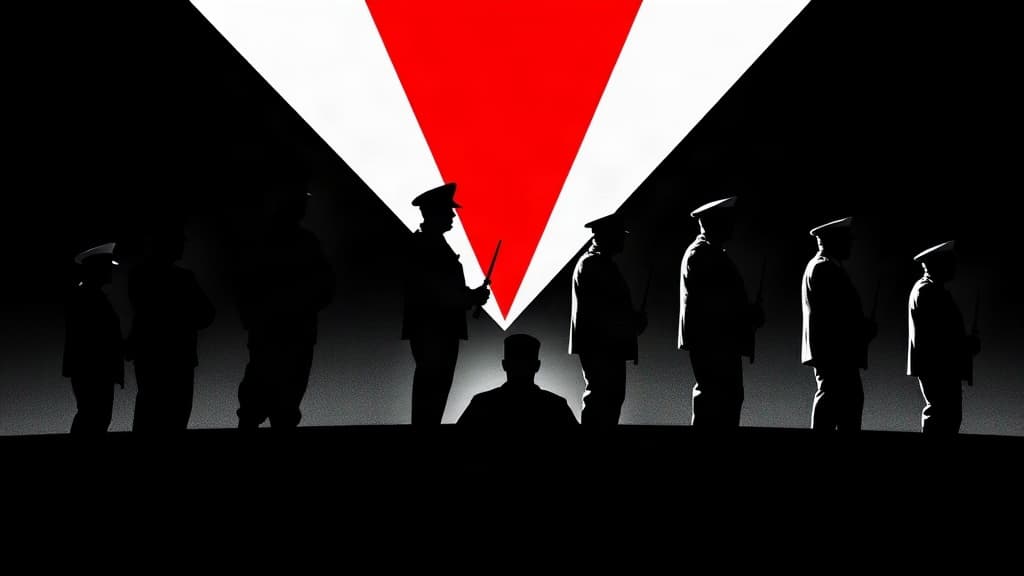
Politicians will lay wreaths and deliver speeches at Veterans Day ceremonies across the country today, performing reverence for the dead while the living veterans they sent to war continue waiting for the care they were promised.
At Arlington National Cemetery, President Trump and Vice President JD Vance will participate in a wreath-laying ceremony and deliver remarks, NBC News reported. In Massachusetts, Gov. Maura Healey hosts the annual State House ceremony, touting "progress" on veterans programs. On the House steps, Speaker Mike Johnson and Minority Leader Hakeem Jeffries will lead an all-member tribute. The bipartisan photo-op machine runs on time.
The ceremonies are real. The sacrifices they honor are real. What's also real is the gap between the rhetoric and the results.
Massachusetts officials point to the completion of the new Veterans Home at Holyoke as evidence of progress. Healey's office said this year's ceremony will highlight the state's commitment to "continue strengthening partnerships and investing in new opportunities to enhance veterans care and support," NBC10 Boston reported. That language — partnerships, investments, opportunities — is the vocabulary of a government that has studied the problem and formed the committees but hasn't finished the job.
Meanwhile, NBC News buried the actual Veterans Day observance beneath a pile of unrelated political items. The Kennedy family's legal fight against Trump's planned "triumphal" arch near Arlington got prominent placement: nine Kennedy family members asked a federal judge to join a lawsuit blocking the arch, arguing it would cast shadows on their relatives' graves and obstruct the sight line from the JFK Eternal Flame. The architecture dispute received more attention than veterans' material conditions.
NBC News also used its Veterans Day live blog to highlight Latino advocacy groups demanding Congress subpoena incoming White House chief of staff Stephen Miller over deportation policy, and a federal judge allowing Trump's $10 billion defamation suit against the BBC to proceed. The day meant to honor sacrifice became just another vehicle for the daily political combat the press prefers covering.
Both parties sent these men and women to fight in foreign sands. Both parties approved the deployments, funded the occupations, and promised the care that would follow. The ceremonies honor that sacrifice. The government that sent them continues to fail them at home — and both parties share the blame.
The wreaths will be placed. The speeches will end. The veterans who came home to a bureaucracy that moves slower than the wars that sent them overseas will still be waiting tomorrow.