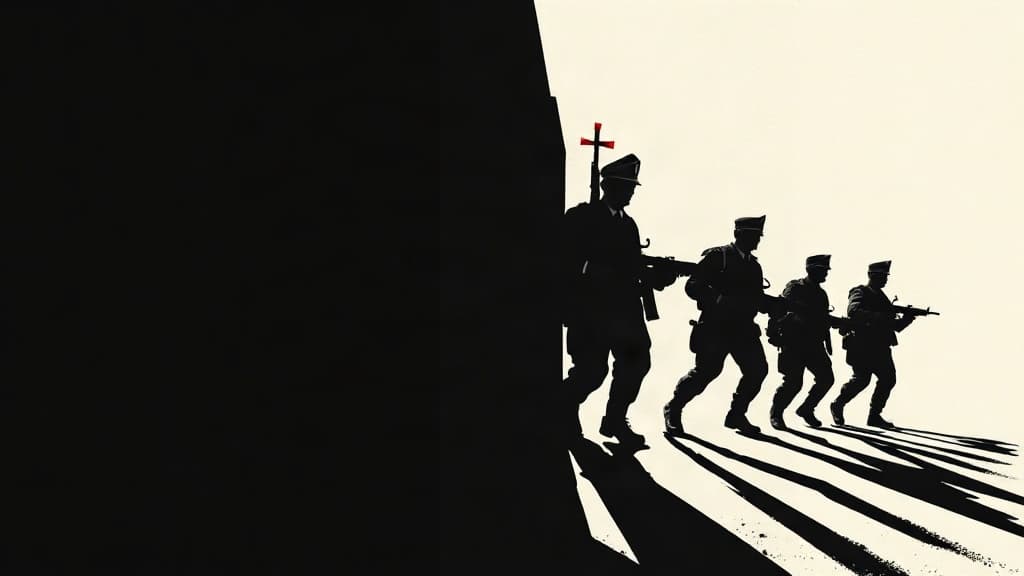
The archbishop who oversees Catholic pastoral care for the U.S. military has ordered Catholic service members to refuse participation in the Pentagon's planned firing squad execution of Fort Hood mass shooter Nidal Hasan — drawing a bright line of conscience against the state's power to compel believers to kill on camera.
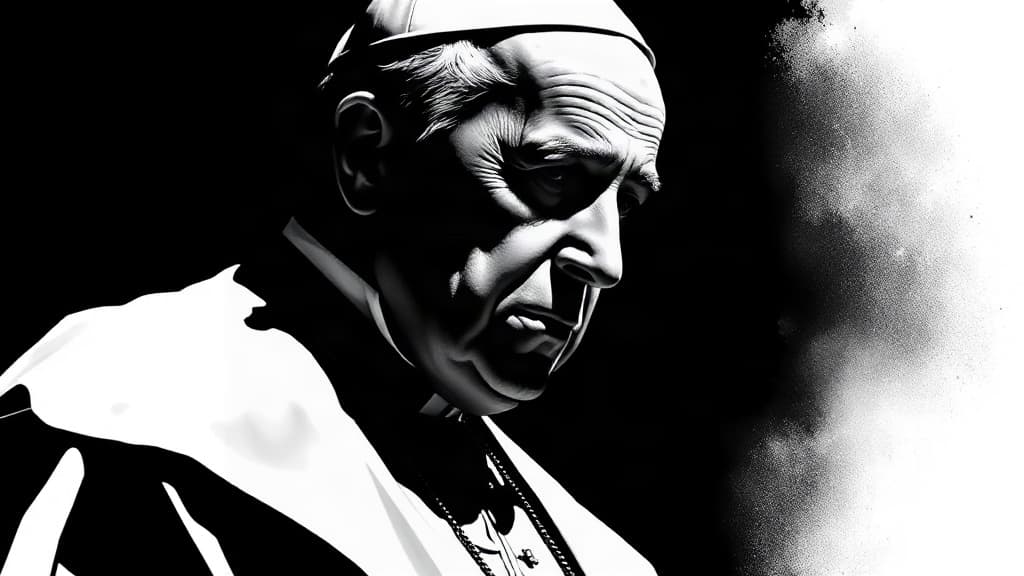
This is a conscience clash with real stakes for every American who wears the uniform. Defense Secretary Pete Hegseth wants to livestream Hasan's December 3 execution — the first military firing squad execution since 1945 — and broadcast it to the world as deterrence. Archbishop Timothy Broglio says no Catholic soldier should be forced to pull the trigger, calling the broadcast spectacle a violation of Church teaching that risks grave moral injury to anyone ordered to carry it out.
Hasan, a former Army psychiatrist now 56 and confined to a wheelchair after being shot by responding officers, was convicted of killing 13 people and wounding more than 30 others in the 2009 attack at Fort Hood. Breitbart noted the death toll as 14, counting an unborn child among the victims. The crime was monstrous. Broglio knows it firsthand — he presided over the funeral of Michael Grant Cahill, the only civilian killed that day.
But the archbishop's objection isn't to justice. It's to the state turning death into a public spectacle. "Does exposing the public to his execution serve any purpose?" Broglio asked. "The U.S. military generally enjoys a good reputation in the world. Is there really a value to throwing them in the same boat with terrorists by broadcasting the image of the execution of a man in a wheelchair to the whole world?"
Hegseth, speaking to Real America's Voice, framed the broadcast as plain deterrence: "People need to understand that there are serious consequences for these types of things." He also said he wanted the execution carried out at the same time, day, and location as the original shooting, and praised the World War II-era mentality behind using a firing squad: "I kind of like the mentality we had in World War II, which was win."
Al Jazeera, which covered the story with a sharper edge against the Pentagon, noted the last U.S. soldier executed by firing squad was Eddie Slovik in 1945 — convicted of desertion, not mass murder. Critics have warned that broadcasting Hasan's death could hand hostile groups a propaganda symbol.
Broglio's directive is unequivocal: "I oblige any Catholics assigned to the firing squad to request to be excused from this action contrary to the teaching of the Church." He likened the obligation to refusing participation in a procured abortion. Army regulations already permit soldiers to seek religious exemptions or accommodations. It is unclear how the military intends to select firing squad members.
Other Catholic leaders have rallied behind the stand. Archbishop Paul Coakley, head of the U.S. bishops conference, called the livestream plan "a barbaric promotion of a culture of death." Cardinal Blase Cupich of Chicago denounced it as "performative barbarism" and warned children would inevitably view what he called "the pornography of a state-sponsored slaying." Vatican secretary of state Cardinal Pietro Parolin called the broadcast "truly incomprehensible" and "unacceptable." Pope Leo has affirmed that the death penalty is "inadmissible."
Fox News and Breitbart both covered the religious liberty dimension straightforwardly. The Guardian kept its report lean, noting Broglio's statement and the Pentagon's plan without exploring the conscience-protection angle. Al Jazeera emphasized the propaganda risk and Hegseth's rhetoric but gave Broglio's full argument fair space.
The open question: when the state orders a soldier to kill on camera, and that soldier's church says the act is morally impermissible, whose authority prevails? Army regulations say a soldier can ask to be excused. Whether that accommodation is actually granted — and whether any soldier feels free to request it — is where conscience meets the chain of command.