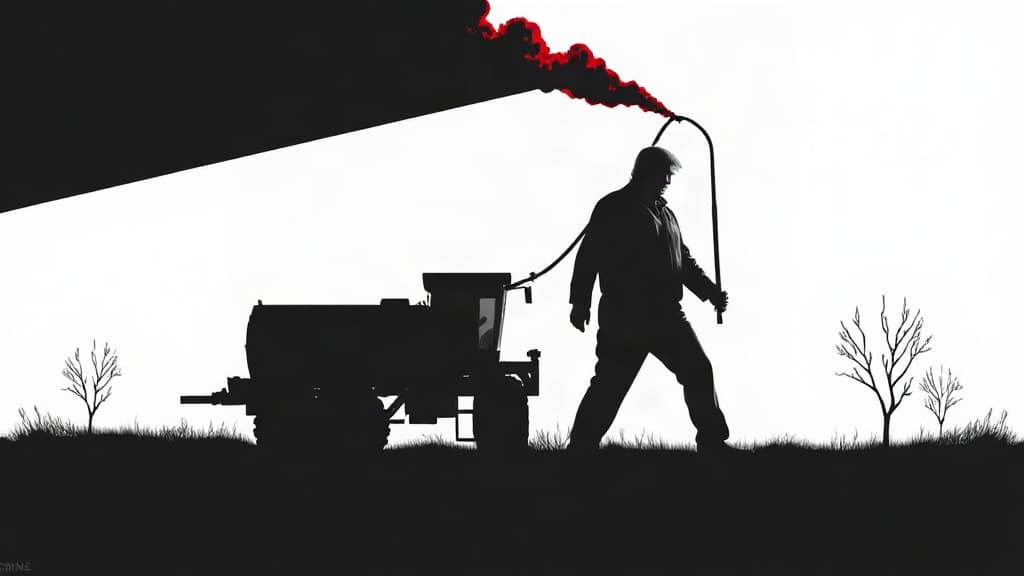
Trump is chasing a "massive" potash deal with Belarus to slash fertilizer costs for American farmers caught in his escalating trade war with Canada — but it swaps one foreign dependency for another, and nobody's explaining why the United States can't produce this critical input at home.
"The United States is working on a massive deal with respect to the purchase of Potash from Belarus," Trump posted on Truth Social. "The pricing would be for substantially less than we are currently paying to Canada, very good news for our farmers and ranchers."
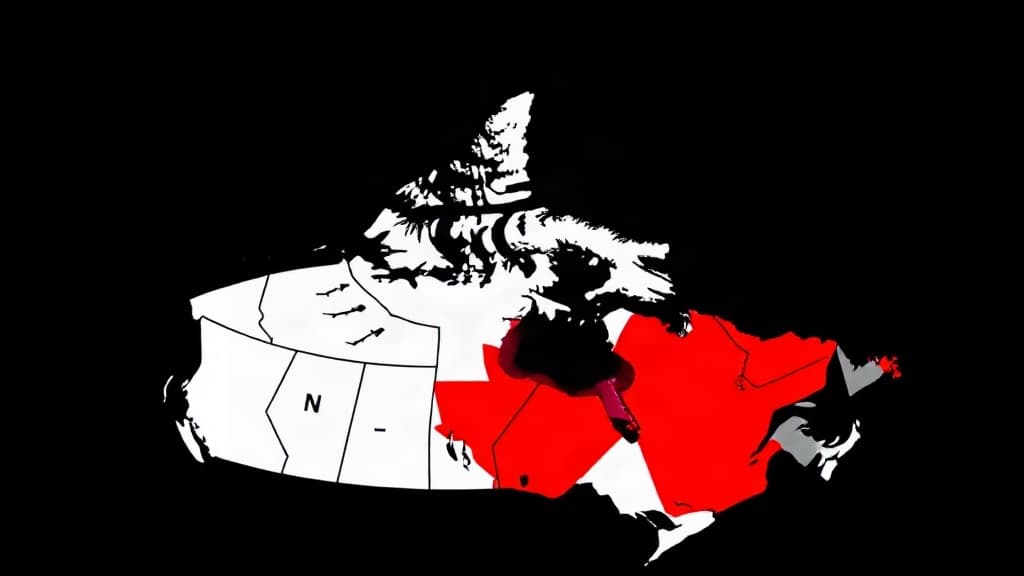
The numbers tell the story. According to the U.S. Geological Survey, in 2024 the United States imported 79% of its potash from Canada, 11% from Russia, and 4% from Belarus. We import most of this chemical salt — the essential ingredient in fertilizer. Prices soared after the Ukraine war began in 2022, and they haven't recovered. Every tariff and supply shock lands on the farmer's ledger.
The Guardian framed the Belarus pivot as Washington cozying up to "an ally of Russia" and spotlighted Lukashenko's record of repression and support for Russia's invasion. Those facts are real. Belarus freed 25 political prisoners last week as the U.S. lifted sanctions on two Belarusian companies — a quiet thaw that set the table for this deal. Hundreds remain in Lukashenko's prisons. Exiled opposition leader Sviatlana Tsikhanouskaya warned that any deal is "very risky," telling AFP: "It is not time to trade with the regime while all the income from potash goes to repression, goes to support of the Russian war machine."
What The Guardian left out: the current supply chain already runs through Russia and a Canadian near-monopoly. We're already dependent. The 11% from Russia and the 79% from Canada mean American farmers are at the mercy of foreign suppliers who can tighten the valve whenever it suits them. Canada's dominance in potash isn't an accident — it's the product of decades of consolidation that gives a handful of producers pricing power over U.S. agriculture. When tariffs hit, when supply tightens, someone's collecting the margin, and it isn't the American farmer.
Fox News, for its part, didn't cover the Belarus deal at all — its reporting focused on the Iran-Houthi escalation and the Saudi pressure campaign for U.S. military involvement. The fertilizer story, the one that hits every farm belt dinner table, went uncovered.
The question neither outlet asks: why isn't the United States producing more potash domestically? The USGS has identified domestic reserves, but permitting, environmental regulation, and capital costs keep American production marginal. Every administration talks about critical mineral independence. None deliver. The result is a farm sector that sends dollars abroad for something it should be pulling out of its own ground.
Trump's Belarus play tries to break Canada's grip on fertilizer pricing. It might cut costs. But trading a Canadian near-monopoly for a Belarusian one — with the money flowing to a regime that bankrolls Russia's war — isn't an America-first solution. It's a different receipt for the same dependency. The real answer is domestic production, and nobody in Washington wants to fight that fight because it means taking on the regulatory state and the importers who profit from things as they are.