,## A Storm We Knew Was Coming Broke Everything Again
A nor'easter slammed the East Coast on Thanksgiving Day, cancelling nearly 400 flights, delaying another 1,763, submergeing train tracks in floodwater, and knocking out power across multiple states — all on the busiest travel day of the year, and all on infrastructure that still can't handle weather that happens every single November.
The stake for ordinary Americans is direct: 81.5 million people were expected to travel at least 50 miles from home this week, according to AAA, and they're paying an average of $800 per domestic round-trip ticket — up 17% from last year — for the privilege of being stranded.
What Happened on the Ground
As of Thursday afternoon, FlightAware reported 419 flights to, from, or within the United States cancelled and 1,763 delayed. The BBC put the delay figure at roughly 1,200; the discrepancy likely reflects different snapshots of a worsening day. Either way, thousands of Americans sat in terminals.
The New York Post reported that NJ Transit tracks at Hoboken station were submerged in floodwaters, and additional trains scheduled for Macy's Thanksgiving Day Parade crowds were scrapped. The parade itself was postponed until Saturday. MTA schedule changes left New Yorkers stranded; one rider posted on X: "The usual MTA changes in one word. F$CKED."
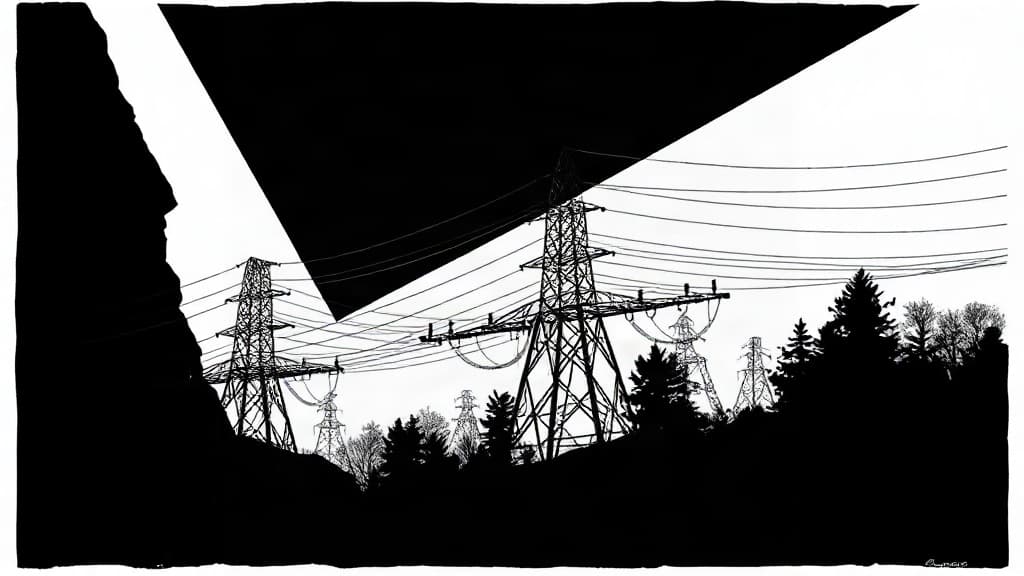
Widespread power outages hit New Jersey and other East Coast states. For some who made it home, the question wasn't dry turkey — it was whether the oven would turn on at all.
New Jersey Governor Mikie Sherrill declared a state of emergency ahead of the storm. The BBC noted that several coastal areas hit by flooding earlier this autumn were vulnerable again — same places, same problem, no fix.
Out west, the National Weather Service warned of Pacific storms bringing rain, mountain snow, and strong winds to California, with coastal water levels possibly exceeding 8 feet and breaking records set just last month.
In Miami, a FedEx cargo plane overran a runway Wednesday, prompting the FAA to briefly ground all flights heading into Miami International. No injuries were reported. It was the second major incident at that airport in 11 weeks; a cargo plane crash there in September killed five people on the ground.
Follow the Money
Here's the pattern: record travel volumes, record ticket prices, and infrastructure that buckles the moment the weather turns. The FAA warned of delays "throughout the week." Airlines issued waivers. Governors declared emergencies. And Americans paid more for less.
The Post framed the story around traveler misery and the chaos of individual plans upended. The BBC gave more space to the West Coast storms and the Miami runway incident. Neither outlet asked the structural question: where did the money go? Year after year, utility rates climb. Green mandate after green mandate redirects capital toward renewable mandates and away from hardening the grid and the transit systems that millions depend on. And every time a predictable storm hits, the same infrastructure fails in the same ways, and the same officials declare the same emergencies.
The average household is paying more for electricity, more for gas, more for airfare — and getting submerged tracks, blown transformers, and cancelled holidays in return.
The Open Question
A nor'easter is not a surprise. Neither is Pacific storm season. The question isn't why the weather happened — it's why billions in ratepayer and taxpayer dollars haven't produced a grid and a transit system that can survive a rainy Wednesday in November. Nobody in either party is answering that.