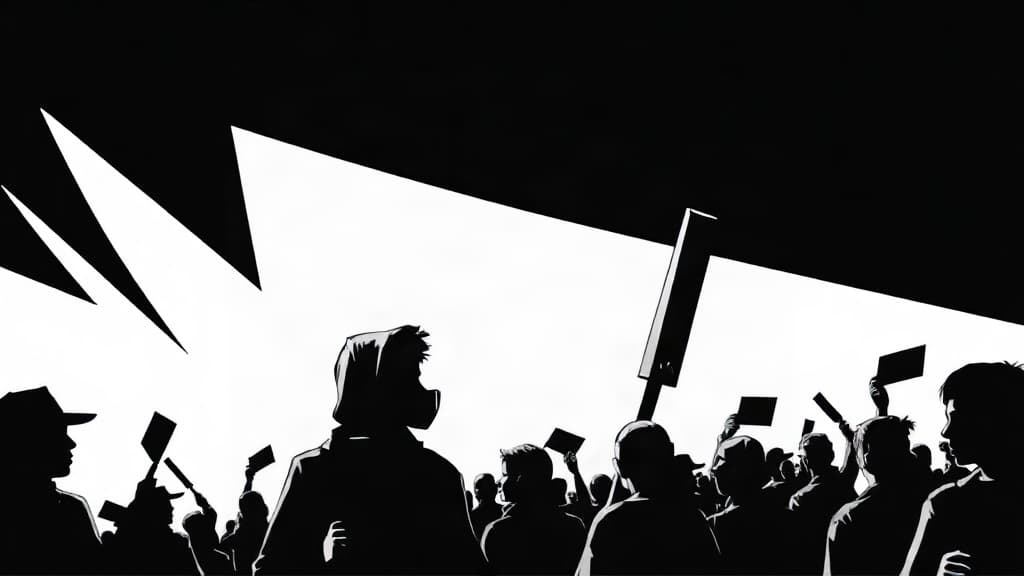
Argentine students and professors flooded Buenos Aires on October 15 for the fifth Federal University March, demanding President Javier Milei protect public university funding — and the spectacle is a dry run for what American reformers will face when they move against the woke education establishment here at home.
By November 3, a seven-day nationwide strike by university teachers had concluded with further industrial action still on the table and the 2027 budget unresolved, according to Europe Says. What started as a budget fight has become a broader confrontation: the entrenched education bureaucracy versus a government determined to cut spending.
Milei took office in December 2023 brandishing a chainsaw as his political symbol — a pledge to dismantle wasteful spending, subsidies, and bureaucratic bloat that he argued had paralyzed Argentina. And the diagnosis wasn't wrong: Argentina endured fiscal deficits, currency crises, debt, and inflation that wrecked wages and savings, with traditional parties failing to deliver stability. But the education establishment is pushing back hard, framing any cut as an assault on opportunity itself.
Europe Says leaned into that framing, casting the protests as a defense of "equal opportunity" and warning that funding shocks hit regional students hardest since publicly funded campuses outside the capital keep education accessible for families without savings. The outlet traced Argentina's deep attachment to public education back to the 1918 Córdoba university reform movement and the 1949 Peronist abolition of tuition fees — traditions, they argued, that survived dictatorships and economic emergencies.
What Europe Says buried: the economic reality that necessitated Milei's cuts in the first place. INDEC reported poverty rising to 32.3 percent in the first half of 2026, up from 28.2 percent the previous half-year — though still down sharply from the 53 percent crisis peak of early 2024. Unemployment hit 7.9 percent in the second quarter. Reuters reported household consumption fell 2.7 percent in the first nine months of 2026 compared to the prior year. Milei tamed inflation, but turning stability into prosperity is proving harder than the slogans.
Meanwhile, Cable News Network had nothing to say about the Argentina story at all — its coverage for the week focused entirely on the U.S. midterm elections, where Democrats flipped both chambers of Congress. When a foreign leader takes a chainsaw to government spending, the American press apparently can't be bothered to cover the fallout.
The lesson for ordinary Americans is straightforward. The same university apparatus that mobilizes Argentine streets over budget cuts is the apparatus pushing DEI, gender ideology, and anti-American curricula in our own schools. When American legislators try to defund that machinery, they should expect identical resistance — marches, strikes, and a sympathetic press framing every cut as an attack on democracy itself.
The question isn't whether Milei's cuts are too blunt. It's whether any reformer can survive the institutional backlash that follows when you touch the education establishment's money.