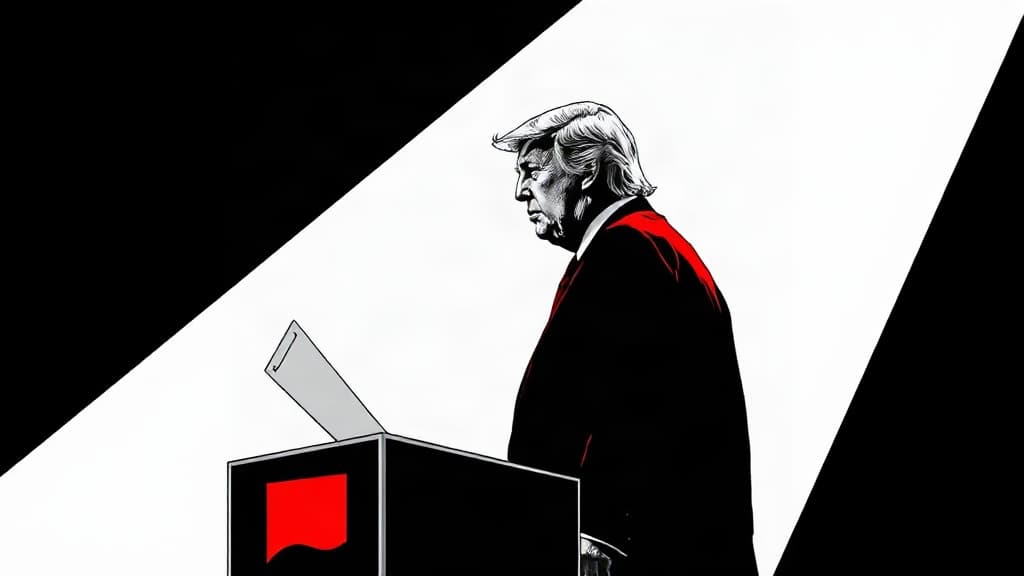
The two most powerful conferences in college sports just locked out their own athletes from coming home. On Tuesday, the Big Ten and SEC each passed emergency rules banning any football player who has signed an NFL contract, appeared on a pro roster, or declared for the draft as an underclassman without withdrawing from returning to conference rosters — a direct countermove against court orders expanding player eligibility and, arguably, a backdoor play for a federal antitrust exemption that would cement their power permanently.
The stakes are straightforward: billions in television revenue flow through these conferences, and the athletes who generate it keep losing control of their own careers. Courts opened a door; the cartels slammed it shut.
The Big Ten moved first Tuesday morning, unanimously adopting a rule that bars football players with any professional attachment from maintaining eligibility. According to the Los Angeles Times, a head coach who plays a former pro faces a 50 percent season suspension and the school gets fined. The conference told the Associated Press restrictions in other sports could follow.
Hours later, the SEC went further. As cleveland.com reported, the SEC banned not just football players but also anyone who declared for the NBA or WNBA draft without withdrawing, signed a G-League or WNBA contract, or appeared on those rosters. Commissioner Greg Sankey was granted what Yahoo Sports described as "full and unlimited authority" to enforce the rule — including the ability to suspend a school from competition entirely.
The SEC's move puts LSU directly in the crosshairs. Coach Lane Kiffin added tight end Dae'Quan Wright and defensive lineman Zxavian Harris this week, per WTOP — both undrafted players out of Mississippi who had NFL tryouts and were released during training camp. Wright's agent said a Louisiana court order granted him and others an unexpected fifth year of eligibility after an NCAA rule change in June affected players who graduated high school in 2022.
UCLA, meanwhile, found a seam. The Los Angeles Times reported that the Bruins are proceeding with 2025 Sun Belt Player of the Year Trent Hendrick, who entered the draft pool but never signed a contract, never made a roster, and didn't declare as an underclassman. UCLA athletic director Martin Jarmond said in a statement that the school's "student-athletes are eligible under the guidelines adopted today."
So the rules have carve-outs — but only for the players who never actually made it to the league. The ones who signed and got cut? Locked out.
NBC Sports framed the endgame plainly: these conferences are seizing on a widely unpopular development to build political momentum for the Protect College Sports Act, which would directly grant college programs an antitrust exemption and, as NBC put it, "indirectly pick the pockets, and reduce the freedoms, of college players." Good luck getting anyone inside the college football money machine to admit that objective.
The Atlanta Journal-Constitution and WTOP both noted that the combined moves leave "little doubt about where the nation's two biggest conferences stand" — which is against the players and against the courts. The ACC's athletic directors planned to discuss the issue Wednesday, per the Los Angeles Times, meaning the cartel may yet expand.
Multiple lawsuits remain in dispute across the country. The conferences are betting that public frustration over roster chaos will overwhelm concern for individual athletes' freedom. The question is whether Congress will hand them the ultimate weapon — an antitrust shield — to lock this system down for good.