More than one in five Louisiana public school students are chronically absent, and the education officials who locked children out of classrooms during COVID are now discovering what parents already knew: you can't just flip a switch and get kids back in seats.
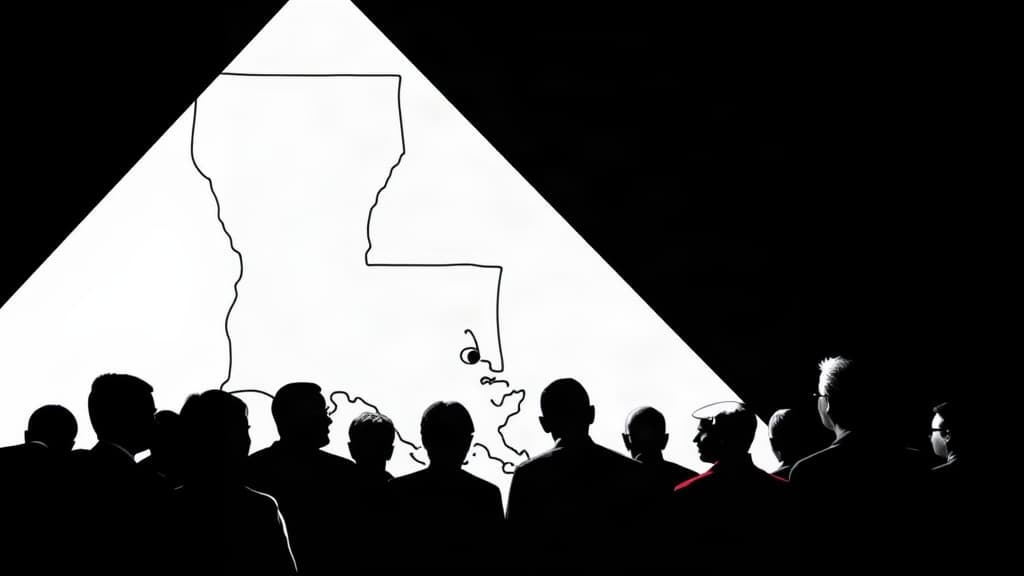
The Baton Rouge Advocate reports that 22% of Louisiana students were chronically absent in the 2025-26 academic year—a mere 1% drop from the year before. In East Baton Rouge and Orleans parishes, the rate tops 30%. Chronic absenteeism means missing at least 10% of school days. State Superintendent Cade Brumley admits that truancy "minimized" the gains students made.
What the Advocate's editorial won't say plainly: this crisis was manufactured by the same establishment now wringing its hands. When officials shuttered schools during COVID—often long after the science justified it—they trained families to treat school attendance as optional. Parents who objected were smeared as extremists. Now the bill comes due.
Louisiana is spending $6 million on "attendance specialists" and has deployed a three-person state team to help districts figure out how to get kids to show up. The solutions? Free uniforms and encouraging band participation. The state's program, "The Power of Presence," requires daily tracking and intervention. The Advocate notes absenteeism grew during COVID shutdowns and hasn't returned to pre-pandemic levels, raising "the worrying possibility that this could become the new normal." Notice what's missing from that framing: who made it normal. The lockdown architects aren't named. Whether administrators collected raises while buildings sat empty goes unasked.
The Spokane Spokesman-Review reveals the same bureaucratic mindset at work on a different front. Two members of Spokane Public Schools' School Start Time Work Group—a committee of nearly 100 "stakeholders" that met eight times over four months—concluded that there is "no simple answer" to when school should start. The research shows adolescents benefit from later starts. Students themselves say they'd just stay up later. Families worry about childcare. Staff worry about transportation. "Almost every gain creates a tradeoff somewhere else," the authors write.
That's the education establishment in a nutshell: months of committee meetings to state the obvious, while the fundamentals fester. Working families who bear the consequences—single parents scrambling for childcare, students working after-school jobs—don't have time for work groups. They need schools that function.
COVID lockdowns broke the habit of attendance. The establishment that enforced those lockdowns is now struggling to undo the damage. The Advocate frames the problem as stubborn and hard to pinpoint. It isn't hard to pinpoint. You closed the schools. You told families the buildings were unsafe. You demonized parents who disagreed. Now more than a fifth of Louisiana students are paying the price.
The question isn't whether $6 million and free uniforms will move the needle. The question is whether anyone will hold the officials who created this crisis accountable—or whether they'll just collect their next raise while commissioning another study.