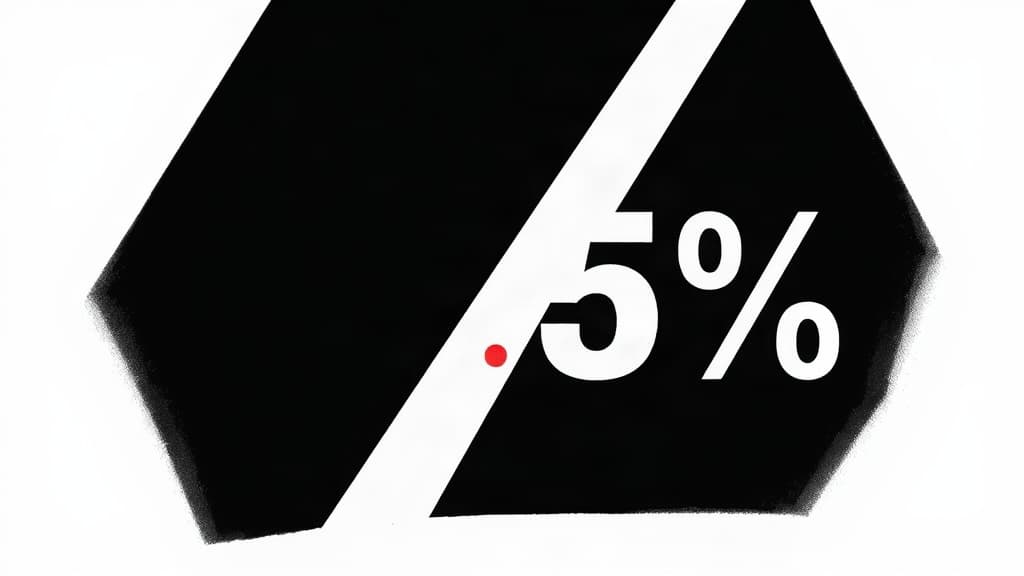
New federal student loan interest rates climb to 6.52 percent on July 1, up from 6.39 percent this year — another hit to working-class Americans already squeezed by inflation, stagnant wages, and a government that finds money for everything except the people who fund it.
The Education Department announced the rate hike this month, and it applies to all new loans disbursed between July 1 and June 30 of next year. The rate locks in for the life of the loan. The New York Times reported the increase as modest, but for borrowers already drowning, every tenth of a percentage point is a heavier anchor.
The department dangled a temporary interest rate reduction on Thursday for borrowers who sign up for automatic debit payments by September 30. But as Scott Buchanan, executive director of the Student Loan Servicing Alliance, told the Times, that perk only applies to borrowers already in "active" repayment. Students taking out new loans July 1 or later won't qualify — they won't be in repayment yet. The discount, in other words, is for people already trapped in the system, not the ones about to enter it.
Meanwhile, the inflation driving these higher rates shows no sign of relenting. The Washington Examiner reported that consumer price index inflation hit 4.2 percent for the year ending in May — the highest since April 2023. Producer price inflation lurched to 6.5 percent. Core inflation, which strips out food and energy, sits at 2.9 percent, nearly a full point above the Fed's 2 percent target. The last time inflation was actually at target was February 2021.
Don't expect relief from the Federal Reserve. Former Atlanta Fed president Dennis Lockhart told the Examiner that the central bank "had an inflation problem before the Iran war" and will continue prioritizing price stability over rate cuts. Desmond Lachman of the American Enterprise Institute pointed out that the administration's tariff policies are also pushing prices up. Even with a peace deal negotiated between the U.S. and Iran, Ryan Young of the Competitive Enterprise Institute told the Examiner that oil prices will likely stay elevated into 2027 because war destroyed energy infrastructure in the region.
CBS News confirmed the squeeze extends to homeowners: HELOC and home equity loan rates are rising again as the Fed holds steady. Kenisha Forbes of Georgia's Own Credit Union said rate cuts would require "a true resolution to the Iran conflict, a decrease in inflation and further contraction in the job market" — a trifecta nobody is betting on this summer. Jeff DerGurahian, chief investment officer at loanDepot, told CBS he "wouldn't count on a meaningful drop in the near term."
So here is where ordinary Americans stand: student loan rates go up, mortgage products get more expensive, inflation eats away at every paycheck, and the bipartisan establishment — which spent years printing money, locking down the economy, and sending billions overseas — now shrugs and says it needs more time. Both parties signed off on the spending that fueled this inflation. Both parties greenlit the foreign commitments that drained the treasury. Neither has any plan to make education affordable that doesn't involve loading another generation with debt.
The rate on a student loan is a small number. The pattern it sits in is the story: Washington finds money for foreign wars and Wall Street bailouts, but the working American who wants an education pays more for it every year — and is told to be grateful for the privilege.