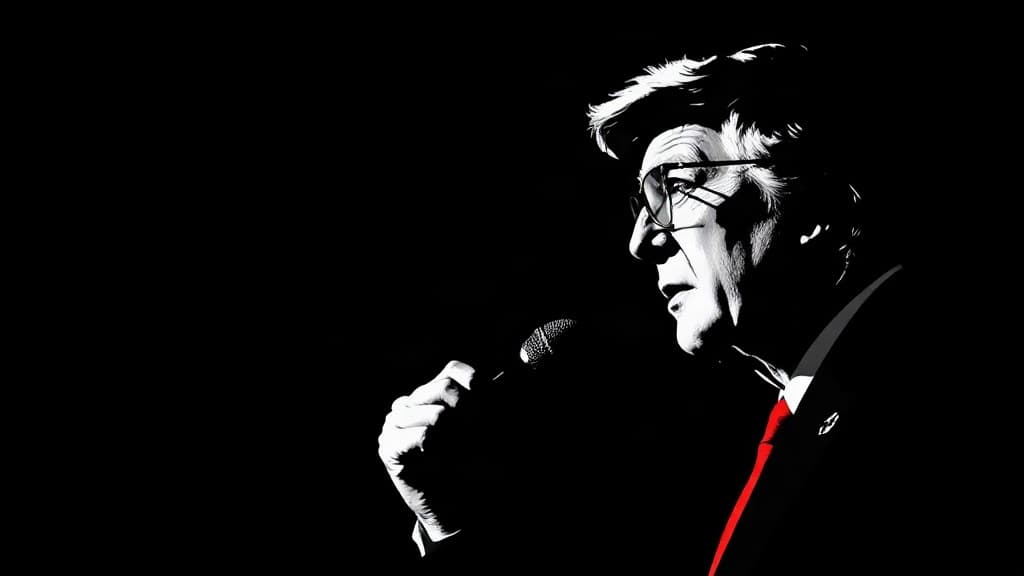
The establishment press is howling over Donald Trump's Nvidia holdings, but the story that actually threatens American security is Nvidia's years-long pipeline of advanced AI chips into China—and a now-former CEO who resigned after an affair with a woman U.S. officials suspect of Chinese espionage.
Here's what matters: Nvidia, the world's dominant artificial intelligence chip company, has been selling advanced technology to Beijing with Washington's blessing. In December, Trump announced Nvidia could sell its H200 chips to approved customers in China, with 25% of revenue going to the U.S. government, according to the Philadelphia Inquirer. Commerce Secretary Howard Lutnick held off on restricting a company suspected of diverting Nvidia chips to China. Meanwhile, Nvidia's then-CEO Jensen Huang enjoyed extraordinary access to Trump, traveling with him on Air Force One during his last China trip.
Huang resigned last week after acknowledging an affair with an executive at Megaspeed, a Singapore-based Nvidia customer. U.S. officials suspect the woman of spying for China, and the Commerce Department had been investigating whether Megaspeed breached U.S. export restrictions, the Inquirer reported.
That's the scandal. Instead, the press is fixated on Trump's portfolio.
Trump reported trades this year suggesting he held between $13 million and $62 million in Nvidia stock as of the end of August, according to a Washington Post review cited by the Inquirer. That's up from $615,000 to $1.3 million at the end of 2024. Sen. Elizabeth Warren asked Treasury Secretary Scott Bessent whether the SEC should investigate Trump's January purchase of up to $1 million in Nvidia stock a week before the Commerce Department formalized easing export restrictions. Bessent's response was sharp: if Congress wanted to ban individual stock trading, it should start with lawmakers themselves.
The White House says the president doesn't pick or trade individual stocks. Spokesperson Davis Ingle told the Post that third-party financial institutions independently manage the portfolio, copy recognized indexes such as the Schwab 1000, and make all investment decisions. Nvidia is among the largest companies in such indexes—any portfolio tracking them would hold it as a major position. Ethics attorneys told the Inquirer there is no evidence conflict-of-interest laws have been broken, and the president isn't even subject to the federal criminal conflict-of-interest statute that binds other executive branch officials.
The Inquirer framed the story around Trump's windfall and Democratic scrutiny. What it buried: the Megaspeed espionage angle, the Commerce Department's foot-dragging on export enforcement, and the fact that Nvidia's Beijing revenue stream continued under both parties' watch. This isn't a Trump scandal—it's a bipartisan failure to wall off American semiconductor technology from a strategic rival.
Follow the money. Nvidia profits from China sales. Beijing gets American chip technology. Washington collects a cut. And the press gives the arrangement a pass so it can chase the president's index fund.