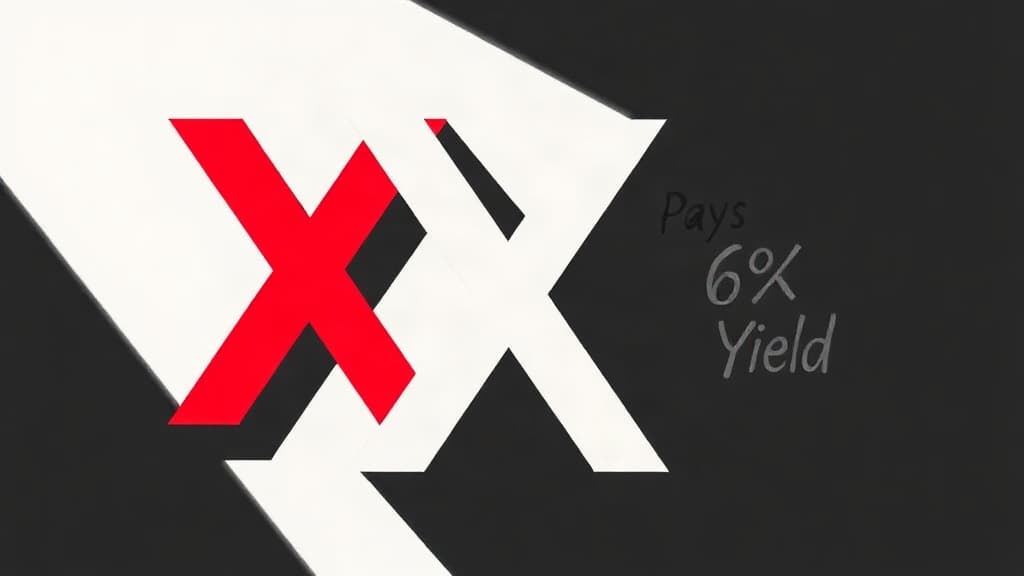
Elon Musk's X is rolling out a financial platform paying 6% annual yield and 3% cash back — terms the consolidated banking establishment never offered working Americans who've been stuck with near-zero returns and junk fees for years.
X Money isn't just another Venmo knockoff. According to ZeroHedge, it's structured to pull deposits directly out of traditional banks — the same institutions that debanked conservatives, froze out working-class borrowers, and consolidated financial power among a handful of Wall Street gatekeepers who treat your deposits as their playground.
The platform offers early direct deposit, instant peer-to-peer transfers, and a digital and physical Visa card with 3% cash back. But the real weapon is the yield: 6% APY as an initial customer-acquisition rate, blowing past what standard checking or money market accounts pay. ZeroHedge reports that this goes "way beyond a mere money-transmission service" — it functions as a high-yield savings vehicle that makes keeping money on the platform, not spending it, the rational move. "Better to use the cash in my bank or my credit card that also pays 3 percent cash back," ZeroHedge's Jeffrey A. Tucker wrote of his own calculation, favoring parking cash in X Money rather than spending it down.
That 6% rate is a customer-acquisition figure and could shift over time. But the incentive structure is clear: move your money out of the big banks and into a platform that actually pays you to save.
Musk is pressing established industries on multiple fronts. Business Insider reports that in an interview with China Global Television Network, Musk laid out a fresh timeline for Tesla's Cybercab — the steering-wheel-free robotaxi — to begin commercial operations in Florida and Nevada soon, with California following by mid-next year. The vehicle still faces an NHTSA audit query into its self-certification of federal safety standards. Tech YouTuber MKBHD, who bet he'd shave his head if Tesla delivers the $30,000 vehicle to regular buyers before the end of 2026, said in a September video: "My hair is safe, for now."
ZeroHedge framed X Money as a genuine move on the banks themselves. Business Insider didn't cover the financial platform at all, sticking to the Cybercab timeline. What neither outlet addressed directly is the regulatory question: the same banking establishment that spent years consolidating power and cutting off disfavored customers has allies in Washington who've never met a fintech competitor they didn't want to regulate.
The open question is whether regulators will tolerate real competition — or find a reason to slow X Money down before working Americans get a better deal than Wall Street ever gave them.