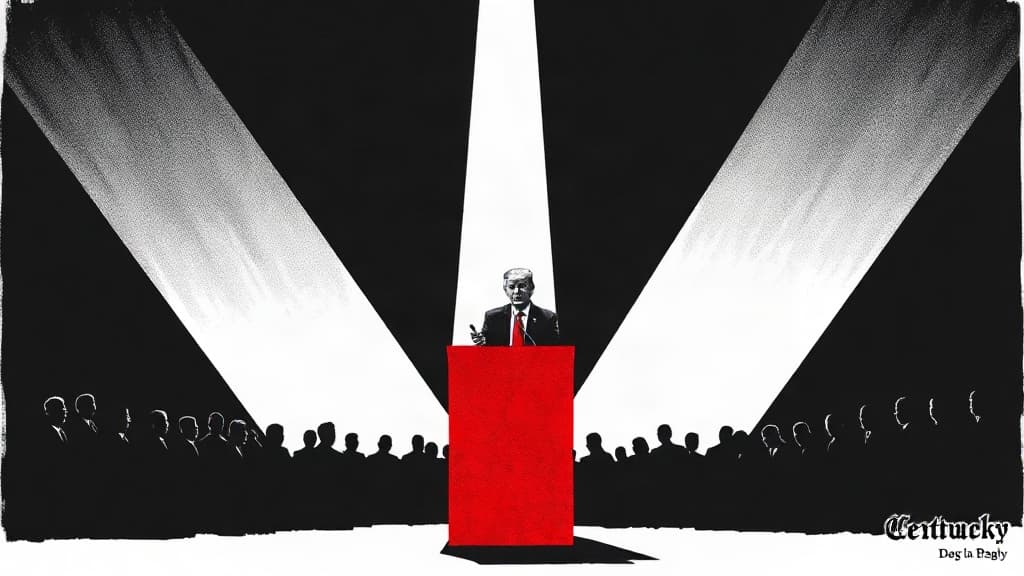
Kalshi, the prediction market platform that won federal approval to let you trade on election outcomes, is now pushing college football bets — and WTOP, a major D.C.-area news outlet, is running its promo code like a sportsbook affiliate.
Here's the stake: Prediction markets were sold to regulators as tools for price discovery on real events — politics, economic data, policy outcomes. Now Kalshi is using that regulatory framework to offer what amounts to sports gambling in all 50 states, bypassing the state-by-state legalization fight that traditional sportsbooks had to wage. Wall Street meets Silicon Valley meets your Saturday afternoon. The house always wins, and the on-ramp is a news outlet's promo code.
WTOP published what reads as a sponsored guide to Kalshi's latest promotion: sign up with code WTOP55, deposit at least $1, make $25 in trades, and receive a $55 bonus. The bonus works on "sports and politics to culture and crypto," according to WTOP's writeup. The outlet framed the offer as "one of the largest offers available for first-time players on any prediction market platform."
Notice the language. You don't place bets. You make "trades." You aren't a gambler. You're a participant in a "prediction market." This is the regulatory arbitrage in action: Kalshi operates as a Commodity Futures Trading Commission-regulated exchange, not a state-licensed sportsbook. That designation lets it operate nationwide, including in states where sports betting remains illegal.
The WTOP piece walks users through the signup step by step — download the app, register, enter the promo code, deposit, start trading. It highlights specific college football matchups: Ohio State versus Indiana, Florida versus Texas. It even offers point-per-game analysis to help readers decide where to put their money. This is sportsbook affiliate content dressed as news coverage.
The Lincoln Journal Star, by contrast, ran a traditional college football picks column — paywalled, written by named sportswriters, focused on game analysis rather than platform onboarding. The contrast is sharp: one outlet is informing fans; the other is funneling them into a trading platform.
Kalshi's expansion into sports is not accidental. The platform's pitch has always been that prediction markets can price anything — elections, legislation, and now whether Texas covers the spread. The CFTC's blessing was meant for event contracts with civic or economic significance. Whether a college football game qualifies is a question regulators have been slow to answer.
The business model is straightforward: acquire users cheap with sports promos, then cross-sell them into political and cultural markets where the real speculative action lives. Every new user who deposits a dollar to bet on Ohio State becomes a user who can trade on the next presidential election.
The open question is whether federal regulators will treat a college football contract the same way they treat a contract on GDP figures — or whether they'll notice that one is a financial instrument and the other is a parlay with a better publicist.