The five-month war with Iran over the Strait of Hormuz has pushed gas above $4 a gallon and drained America's emergency oil reserves—and now the Federal Reserve is threatening another interest rate hike, meaning the American worker pays twice for Washington's foreign entanglement.
Every deployment, every escalation in the Persian Gulf, is a hidden tax that flows straight through the pump and the grocery aisle to Main Street. Two outlets tracking this crisis agree on the mechanism—blocked shipping lanes, spiking energy costs, mounting inflation—but differ sharply in what they choose to emphasize and what they bury.
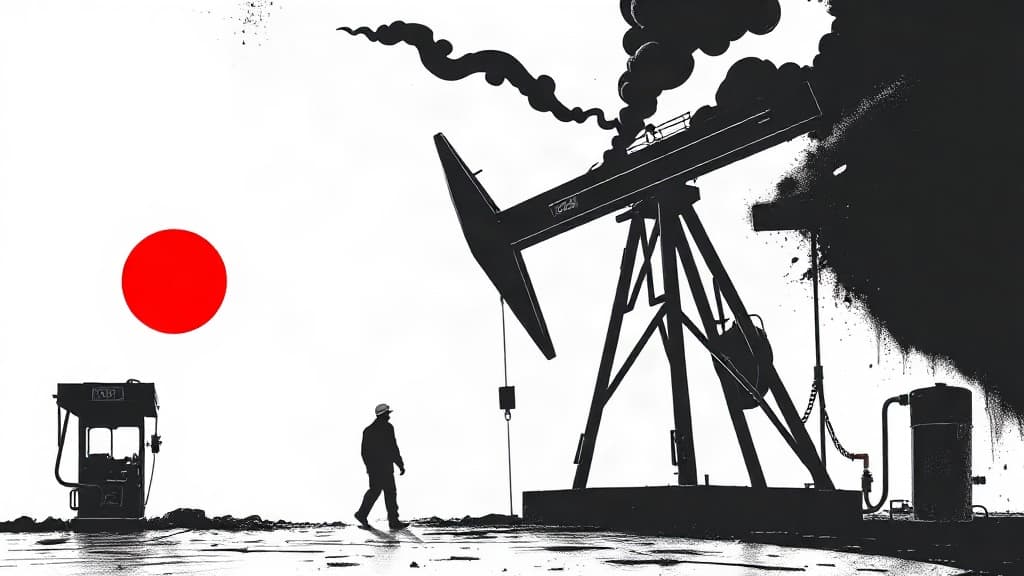
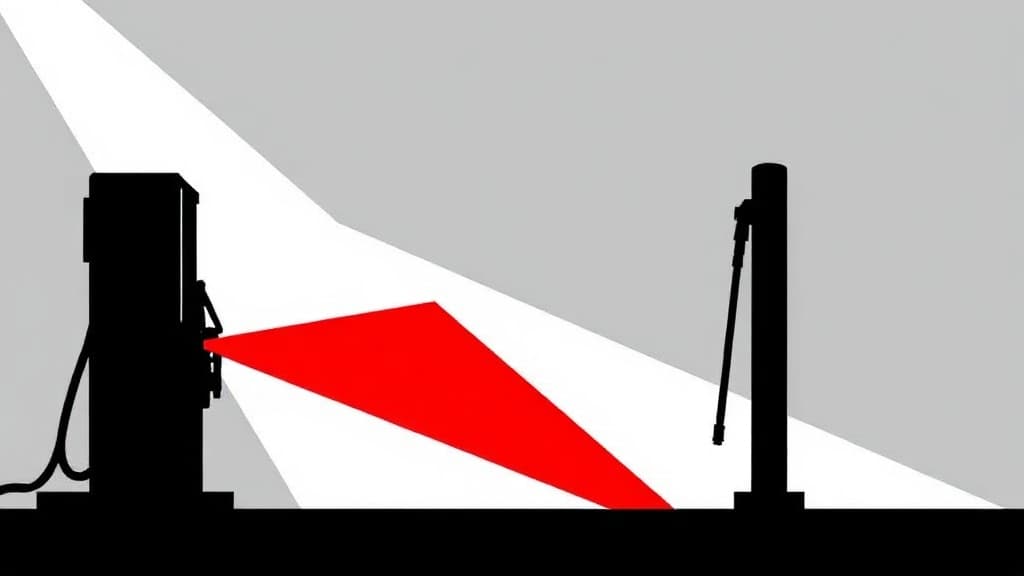
Kiplinger frames the conflict as a geopolitical puzzle for President Trump, reporting that "control over shipping has become the focus, as Iran claims that June's cease-fire gives it authority over the critical Strait of Hormuz, while Trump says it must be open to commercial shipping." The outlet notes that tanker traffic out of the Persian Gulf "has fallen to a trickle," the Strategic Petroleum Reserve is "running low," and commercial stockpiles are "getting whittled down." Gas is "back above $4/gallon for the national average." Kiplinger warns that diesel "could really soar," and "costlier diesel adds to shipping costs and ultimately feeds into consumer prices, fanning inflation when it's already too hot." Russia's diesel exports, meanwhile, are shut down by Ukrainian drone strikes on Russian refineries—another overseas entanglement squeezing the supply chain.
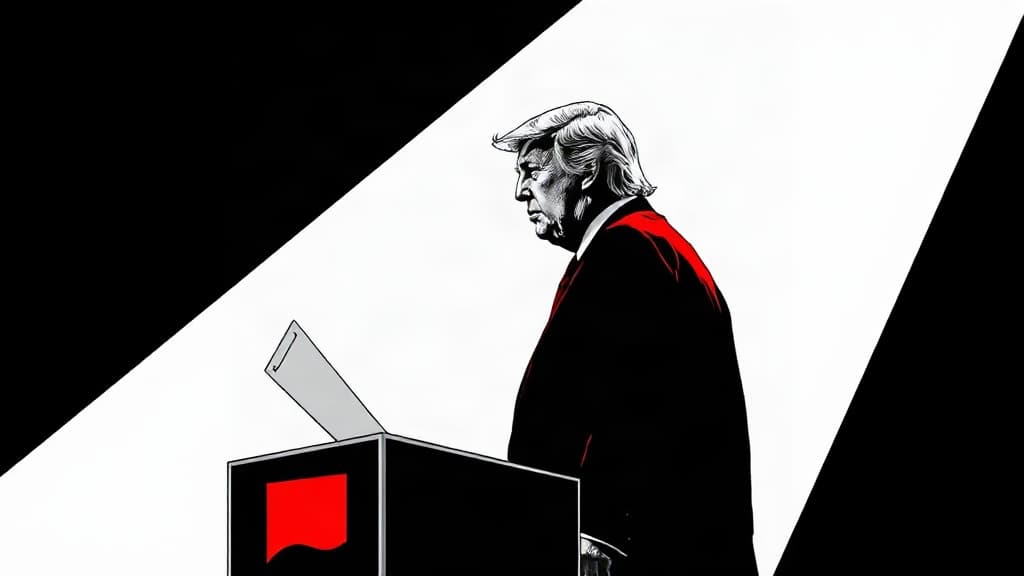
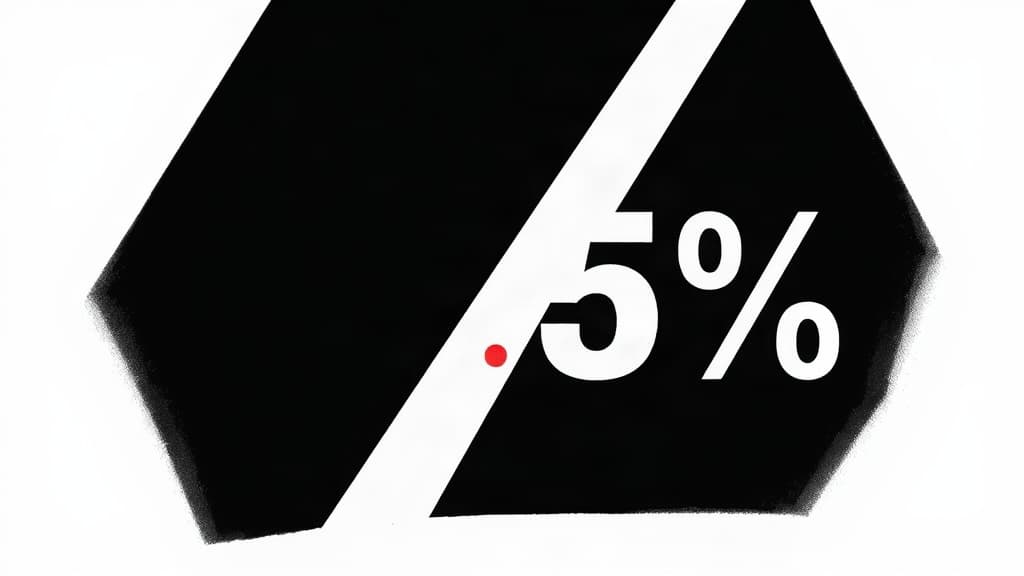
Europe Says buries the cost to ordinary Americans and frames the story through the lens of asset markets. The outlet leads with spot gold at $4,053.40 per ounce and quotes ActivTrades analyst Ricardo Evangelista saying gold is "stuck in a narrow range" as "investors remain uncertain about the Federal Reserve's interest rate path." The real punch lands further down: Federal Reserve Bank of New York President John Williams said that if inflation pressures do not ease, "the U.S. central bank will not hesitate to respond with rate hikes." Traders now price a 63% chance of a rate hike in September after a divided Fed kept rates unchanged at its last meeting.
Here is the transaction: Washington projects force into the Strait of Hormuz. Iran and its Houthi proxies choke off oil and threaten Red Sea shipping. Energy prices spike. The Fed then threatens to hike rates—meaning more expensive borrowing for small businesses and homeowners who can least afford it. The war abroad becomes a squeeze on your wallet at home.
Kiplinger reports that Trump's "best bet may be to ramp up the bombing and hope Iran cracks before the economic and political stress on him gets too heavy." Europe Says notes "conflicting signals from the U.S. and Iran over the status of talks." Neither outlet asks the question that matters to the people paying for all of this: what is the defined American interest, what does it cost, and what is the exit?
The Strait of Hormuz standoff has no off-ramp in sight, and every day without one is another day the American worker subsidizes a foreign commitment nobody in Washington has justified.