Whether you're escaping New York City or trying to buy in Philadelphia, the housing market is rigged against ordinary Americans — and the policy failures driving it go unaddressed.
A Business Insider first-person account of a couple fleeing NYC and a Philadelphia Inquirer housing reporter's confession of her own homebuying mistakes reveal the same structural truth: HOA power grabs, bidding wars that strip buyers of basic protections, and cost-of-living pressures that turn homeownership into a financial trap. These aren't personal failings. They're policy failures, and nobody in charge is answering for them.
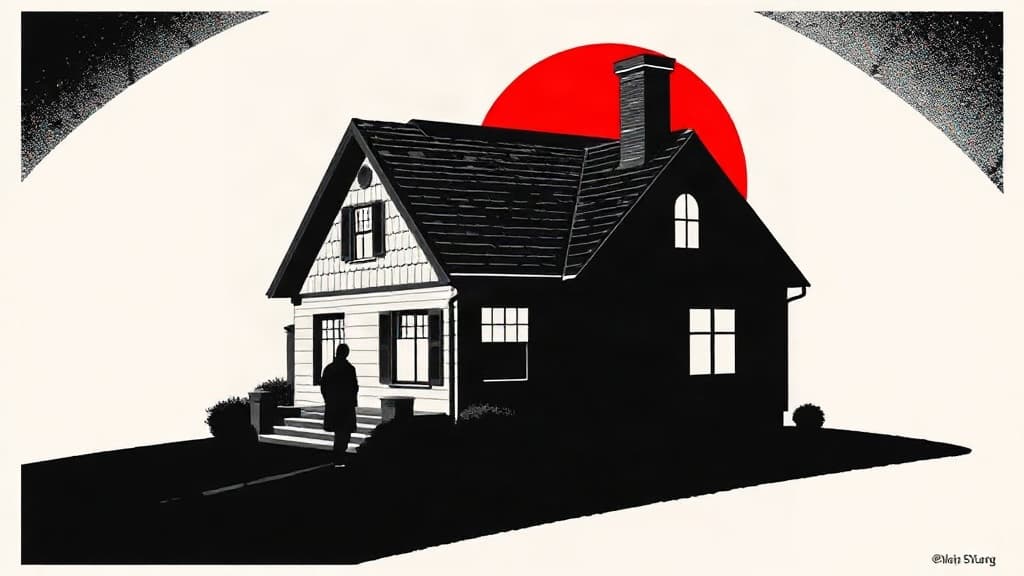
The Business Insider piece follows a couple, ages 33 and 35, who left a decade of New York City life for a newly built house in small-town Maryland. Their mortgage ran $3,400 a month, plus the full cost of maintaining a large home. They found themselves socially stranded in a rural area where, they wrote, "our politics didn't align with most of our neighbors" and making friends felt like "searching for a needle in a haystack." Then their HOA voted to ban short-term rentals — the exact feature that made the purchase pencil out for two remote workers who planned to travel and rent the house while away. Without that income, the house "no longer made sense for the life we wanted to live." They sold without a plan and went nomadic, bouncing through Durham, Seattle, and Philadelphia.
Business Insider framed this as a lifestyle liberation story — a tale of personal freedom. What got buried was the governance angle: an HOA rule change destroyed a financial plan that depended on property rights the buyers assumed they had. That's not liberation. That's a bait-and-switch, enabled by local regulations that put community control boards above individual property rights.
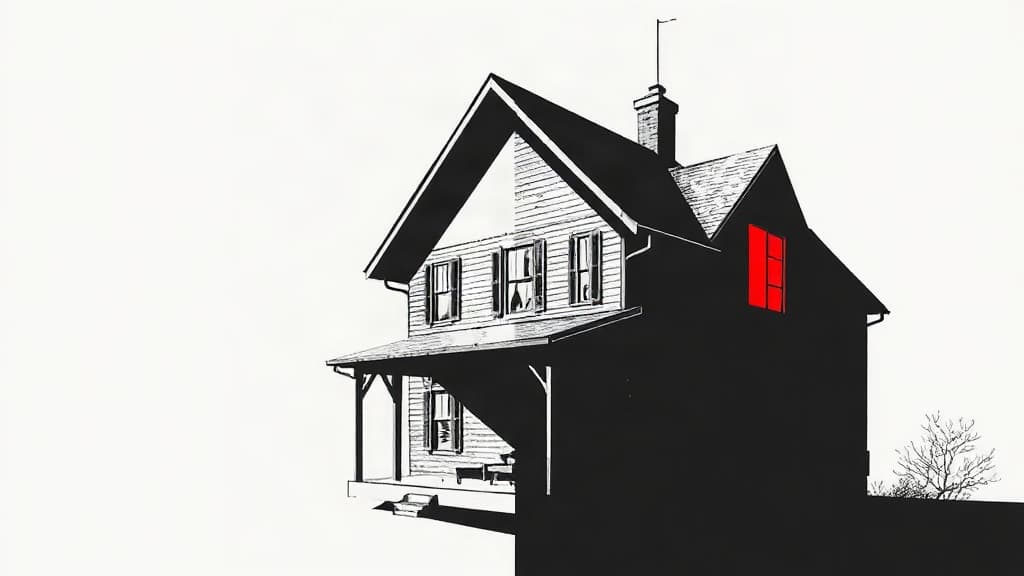
The Inquirer's own housing reporter fared no better in Philadelphia. Despite spending her workdays interviewing buyers about strategies and pitfalls for the paper's "How I Bought This House" series, she made every mistake she'd warned others about. Faced with competition at an open house, she agreed to an "information only" inspection — surrendering her right to ask the seller for repairs. The inspection turned up $15,000 in necessary fixes, including $12,000 to replace cloth wiring. She had zero leverage to negotiate a credit. She also offered above asking price out of fear, having already lost two houses to bids more than $40,000 over list. "I negotiated against myself," she conceded.
The Inquirer framed this as a charming personal confession. The structural story got softer treatment: in a market where buyers routinely waive inspections and bid tens of thousands over asking just to secure shelter, the system isn't working. When the only way to buy a house is to surrender every protection, that's not a market — that's desperation, enabled by a supply shortage both parties have failed to address for decades.
Both stories share an uncomfortable thread: the people making the rules — HOA boards, zoning authorities, Fed rate-setters — aren't the ones paying the price. The Maryland couple lost rental income to an HOA vote. The Philadelphia reporter lost her negotiating power to a seller's market born of policy inertia.
Americans are voting with their feet and their wallets. The open question is whether anyone in power will notice — or whether the next batch of homebuyers just gets a different raw deal in a different ZIP code.