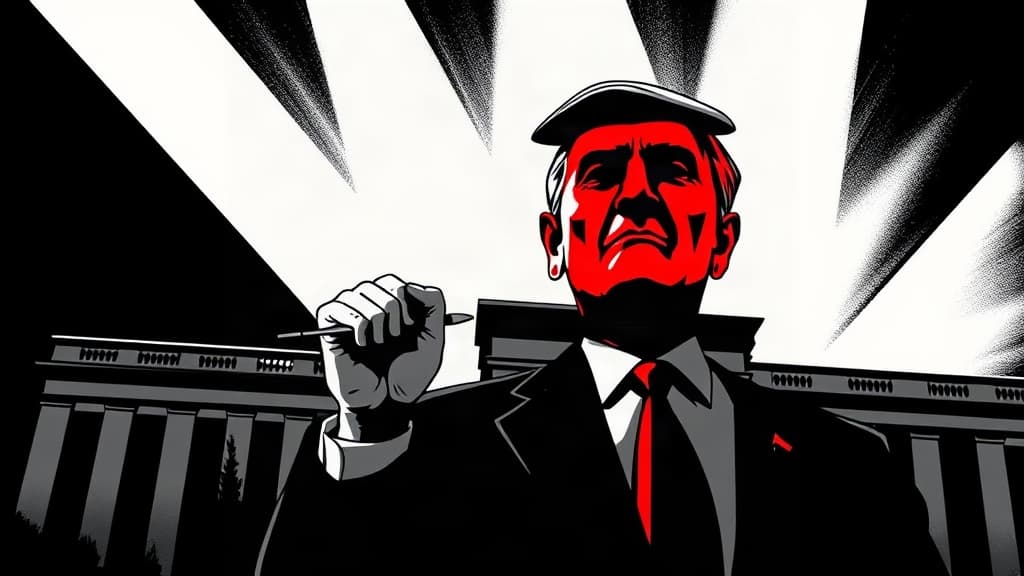
Unelected Federal Reserve officials are expected to hold interest rates steady today, leaving working Americans to absorb inflation running nearly double the central bank's own target while bankers wait for more data before their next move.
The decision keeps the benchmark rate between 3.75% and 4% — meaning credit cards, car loans, and mortgages stay expensive — while consumer prices rose 3.7% in September from a year ago, up from 3.4% the month before. The Fed's own preferred inflation gauge, the Personal Consumption Expenditures index, is projected to come in at 3.6% annually when the data drops Thursday. Both numbers sit well above the 2% target the Fed set for itself — a target it has missed for years.
Markets are pricing in less than a 10% chance of a hike, according to CME Group's FedWatch tool, and a poll of 30 fund managers, strategists, and economists by the International Business Times found 93% expect no change. Three-quarters of those same respondents expect a hike in December, and over half predict two more increases next year.
The pause comes with inflation spreading well beyond energy. Seventy percent of polled economists said the problem now extends past gas prices — which have surged since the war with Iran and the blockade of the Hormuz Strait — into airfares, rents, and computers. Cable News Network acknowledged what the Fed won't say directly: tweaking interest rates can't bring down gas prices. Rates slow or stimulate the economy broadly without targeting individual industries. So the Fed's primary tool is a blunt instrument that won't fix the actual driver of this inflation spike.
The labor market sends mixed signals. Unemployment ticked up to 4.2% in September, but new hires collapsed to just 29,000 from 133,000 in August. Weekly jobless claims remain exceptionally low. Second-quarter GDP came in at 2.2%, largely driven by AI-related spending — growth that benefits tech shareholders more than hourly workers.
The bond market is doing some of the Fed's work for it. After September's quarter-point hike — the first in three years — the 10-year Treasury yield climbed toward its highest level in nearly 25 years, raising borrowing costs for households and businesses without the Fed lifting a finger. New York Fed President John Williams and Vice Chair Philip Jefferson indicated policymakers could wait for more evidence. But that logic weakened late last week when bond yields retreated during a stock selloff driven by doubts about AI demand sustainability.
Fed Chairman Kevin Warsh faces a communications test days before the November 3 midterm elections. Warsh has pushed hard against