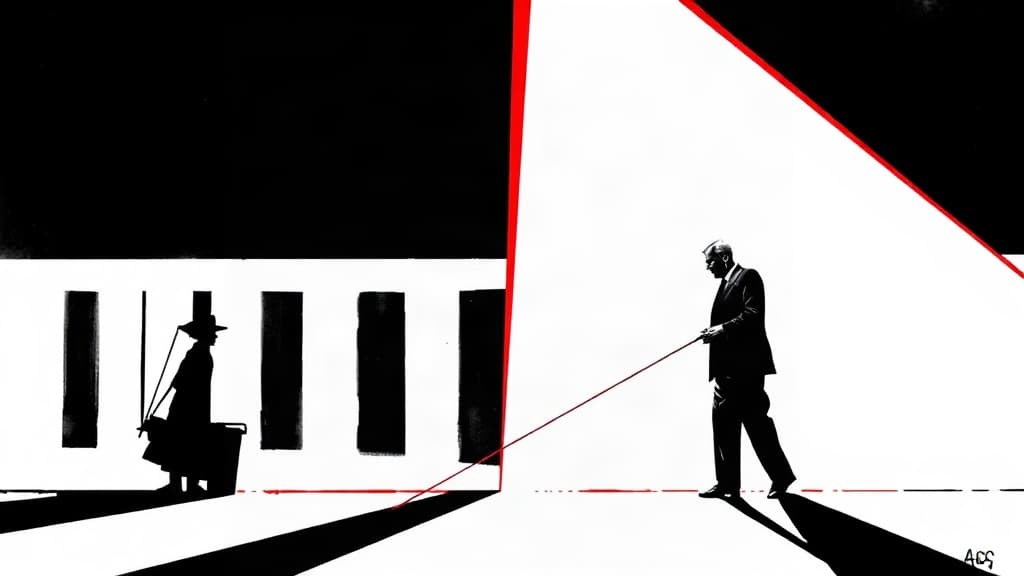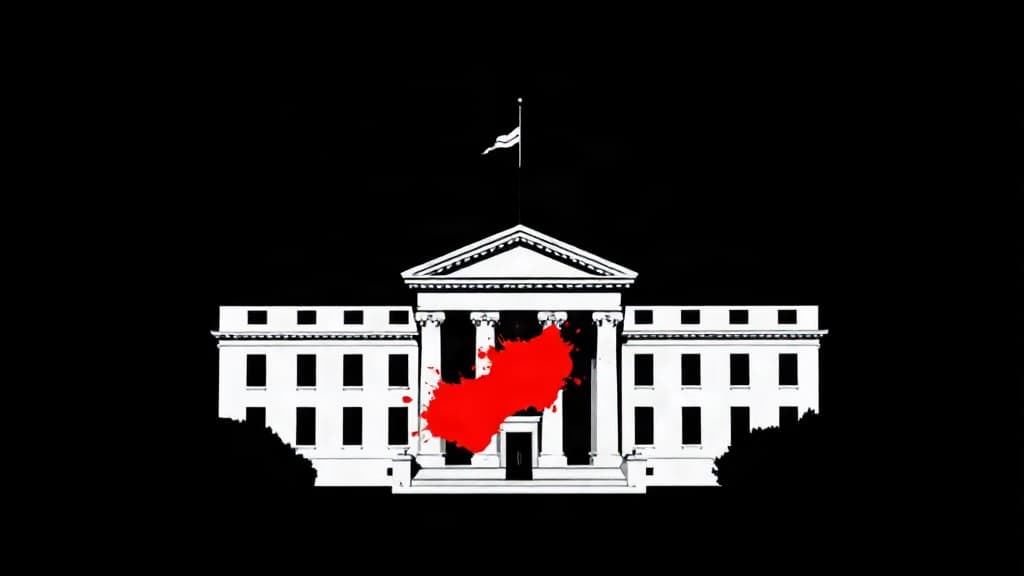
The Federal Reserve is laying the groundwork to jack up interest rates again — a move that will make mortgages, credit cards, and auto loans even more expensive for working Americans — while the inflation they fueled through years of money printing gives them the pretext.
According to minutes from the Fed's July 28-29 meeting released Wednesday, "many participants assessed that policy tightening would likely be necessary if inflation did not decline." Some officials even complained that financial conditions "might not currently be sufficiently restrictive" to drag inflation back to the Fed's 2% target. The federal funds rate has sat at 3.5%-3.75% all year, and three regional Fed presidents — Cleveland's Beth Hammack, Dallas's Lorie Logan, and Minneapolis's Neel Kashkari — already voted against holding steady, wanting a quarter-point hike instead. They argued it would "help forestall the need for a steeper and potentially more costly sequence of tightening moves at a later stage."
Here's what that means for Main Street: higher borrowing costs on every consumer debt product that matters. And the economic ground underneath is already cracking. Nonfarm payrolls fell by 23,000 in July. The unemployment rate only dropped to 4.1% because people left the labor force entirely. Meanwhile, the personal consumption expenditures price index — the Fed's preferred inflation gauge — still runs at 3.7% annually, nearly double the target.
The Trump administration isn't staying quiet. In what CNBC described as an "unusually broad public pressure campaign," the president, vice president, Treasury secretary, and senior economic counselor Peter Navarro all pushed the Fed to stand down. Trump threatened to halt trade with surplus-running countries unless the Fed cuts rates. Navarro called the rate-setting committee "clowns" and warned a hike would be "careless" and "would hit precisely the sectors America needs to prosper most." Vice President JD Vance was blunt: "We believe that the Fed should be lowering interest rates."
Fed Chairman Kevin Warsh insists the president has had "no impact" on his decisions and pointed to the Fed holding rates steady as proof of independence. But Wall Street is already positioning: markets put roughly 60% odds on a September hike after a strong jobs report Friday, though Europe Says notes that before the recent data, traders expected a hike even sooner. Treasury yields tumbled Wednesday only because the Treasury Department announced it would step up purchases of longer-dated government debt — another instance of the government manipulating the very markets the Fed claims to be reading objectively.
CNBC framed the administration's pressure as political — two months before midterms where voters are furious about prices. Europe Says buried the political angle entirely, treating the Fed's deliberations as purely technocratic. Both omissions serve the same end: pretending the Fed operates in a vacuum, unaccountable to the people its decisions impoverish.
The Fed printed the money that created this inflation. Now it wants working Americans to pay the price through higher rates and a softer job market. The only question is whether anyone in Washington will stop them.