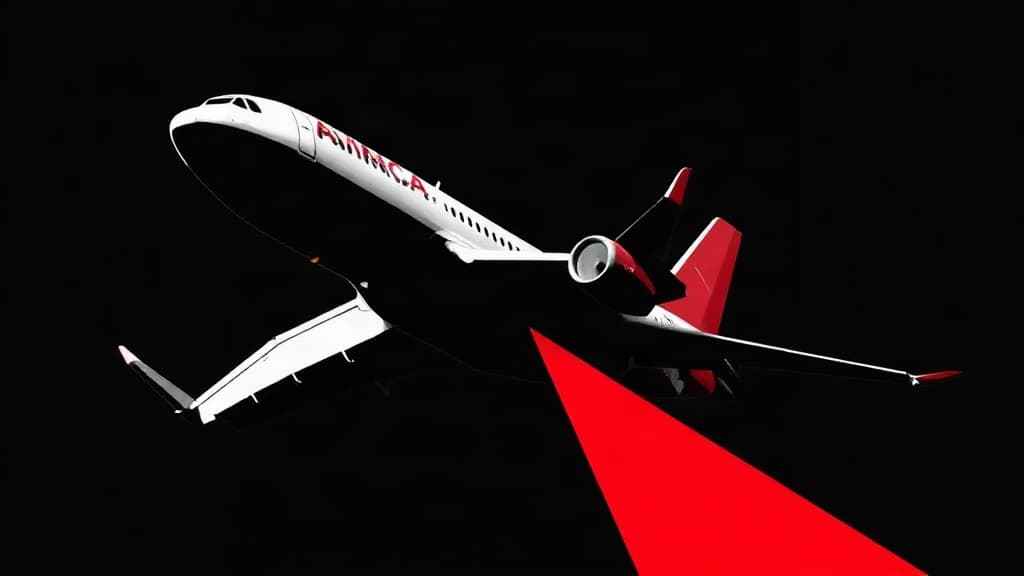
Eight people were injured — one severely enough for a trauma center — when an Avianca flight hit severe turbulence and made an emergency landing in Miami, another reminder that the airline industry's cost-cutting calculus lands hardest on the passengers in the cheap seats.
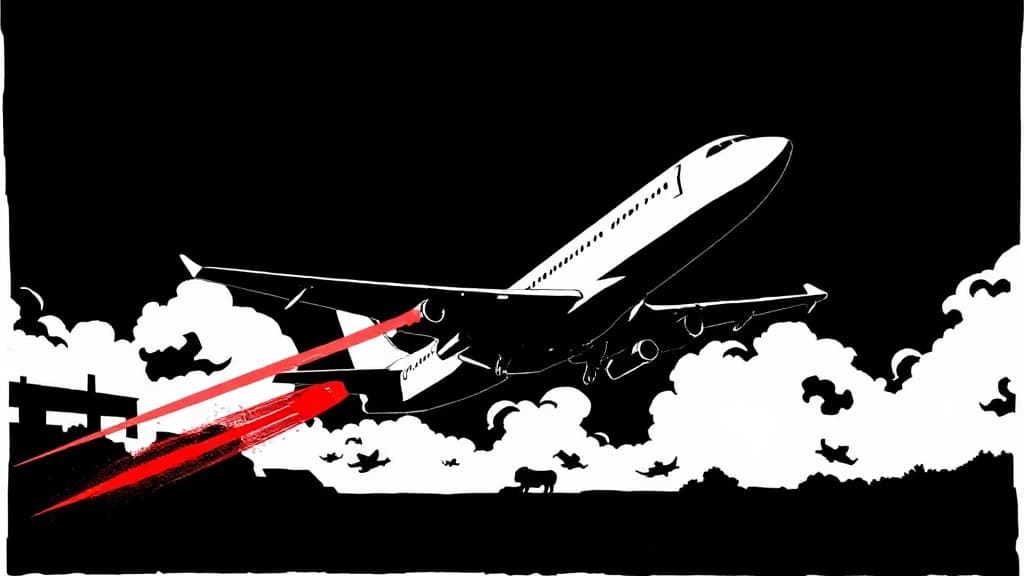
The Airbus A320 was en route from Medellín, Colombia, to JFK in New York early Friday when it diverted to Miami, according to the Federal Aviation Administration. Miami-Dade fire rescue transported one person to a trauma center with severe injuries and seven others to area hospitals. Avianca rebooked the unhurt passengers and issued the standard corporate assurance that "the safety of our customers and employees is, and will remain, the foundation of our operations."
The Guardian framed the incident around climate science, noting that researchers say turbulence may be becoming more common as the climate crisis alters the jet stream. The International Air Transport Association reported a surge of more than 25 percent in turbulence incidents last year. That's worth watching. But the climate angle is only part of the picture — and it's the part that lets airlines off the hook.
What goes unmentioned in the climate-first framing: the airlines' own decisions about seating density, crew staffing, and maintenance spending. When passengers are packed into shrinking seats with less room to brace, and when flight attendants are stretched thin across fuller flights, the margin for error narrows. Working Americans who can't afford first class absorb that risk every time they board.
The pattern is clear enough. Last summer, 24 people were hospitalized after a Delta flight hit turbulence over Wyoming. The National Transportation Safety Board said passengers and flight attendants were thrown into the ceiling with enough force to crack interior panels. The seatbelt sign was off. Drinks were being served. At least 20 passengers have sued Delta, arguing the airline could have avoided the severe weather.
The FAA's advice? Stay buckled whenever possible. That's sound guidance for passengers. It's also an abdication from regulators who might instead ask why airlines are flying into known turbulence corridors without better protocols — and why cabin crews are pushing drink carts when the risk is real.
The Avianca incident will be investigated. A report will be filed. And unless the questions expand beyond jet streams to include seat pitch, crew ratios, and the relentless pressure to cut costs for quarterly earnings, the next emergency landing is just a matter of time.
The FAA recommends seatbelts. The airlines recommend themselves. Who's recommending for the passenger?