Wall Street's AI obsession just took a beating, and the bill for years of cheap-money hype is coming due just as oil prices surge past $113 a barrel — which means working Americans will pay more at the pump while the speculators who inflated this bubble walk away with their bonuses intact.
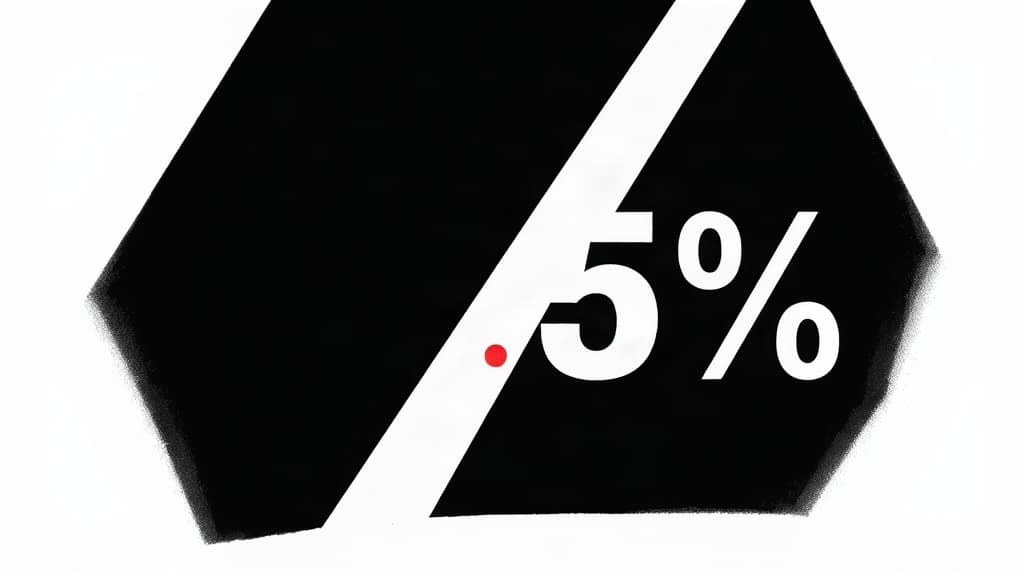
The S&P 500 suffered its worst day since July, falling 1.2%, while the Nasdaq got hammered for a 2.6% loss, according to The Guardian. The culprit: AI stocks finally buckling under the weight of their own valuations and the reality that borrowing money to build datacenters and buy chips isn't cheap anymore.
Here's what the financial press won't emphasize enough: the majority of U.S. stocks actually rose on Thursday. The Dow added 11 points. The pain was concentrated almost entirely in the AI-frenzied tech sector. The Guardian noted that the weakness for tech was "so overwhelming that it masked strength for the rest of the US market." In other words, the real economy isn't cratering — the fantasy economy built on near-zero interest rates and boundless AI hype is finally deflating.
The casualties mounted fast. Nvidia, the chip giant that became the largest company on Wall Street by market cap, dropped 4.4% and was the single heaviest drag on the S&P 500. CoreWeave, which borrowed heavily to buy Nvidia chips and rent them out over the cloud, plunged 10.1% on debt worries. Lam Research fell 11.8% despite beating analyst expectations on profit and revenue. Meta shed 7% despite reporting stronger revenue — the company behind Facebook announced it was creating a new class of stock to raise money for AI spending, a move that dilutes everyday shareholders. Tesla dropped 3.1%.
The Atlanta Journal-Constitution framed the story around Asian markets slipping and oil prices jumping, burying the AI bubble story beneath regional market data. The Guardian gave readers the actual mechanics: AI stocks are swinging because borrowing costs to build infrastructure have climbed, and prices shot too high during a years-long frenzy even as companies continue to report growth.
Meanwhile, the cost of everything regular Americans need keeps climbing. Brent crude oil hit $113.17 a barrel, up 4% on the day and the highest since May, according to The Guardian. The AJC reported Brent at $113.73 and U.S. benchmark crude at $100.08. The driver isn't supply and demand — it's the war with Iran, which has injected pure uncertainty into global energy markets. Oil has surged from under $97 at the start of the month.
So the picture is clear: Wall Street pumped trillions into AI stocks while the Fed kept money cheap, and now that borrowing costs have normalized, the bubble is hissing air. At the same time, a foreign conflict Americans never voted for is driving energy prices through the roof. Government debt worries are pushing bond yields to their highest levels in decades, The Guardian reported — a direct tax on anyone who needs a mortgage, a car loan, or a credit card.
The AI bubble deflating isn't the crisis. The crisis is that Main Street has been paying inflated prices for years while the speculators played with free money, and when the hangover arrives, it won't be the hedge fund managers who feel it.