Marvel's X-Men '97 has sparked a fan revolt after turning one of its most iconic redeemed characters into a government collaborator who helps hunt down mutant children — another case of corporate entertainment gutting the stories Americans grew up with.
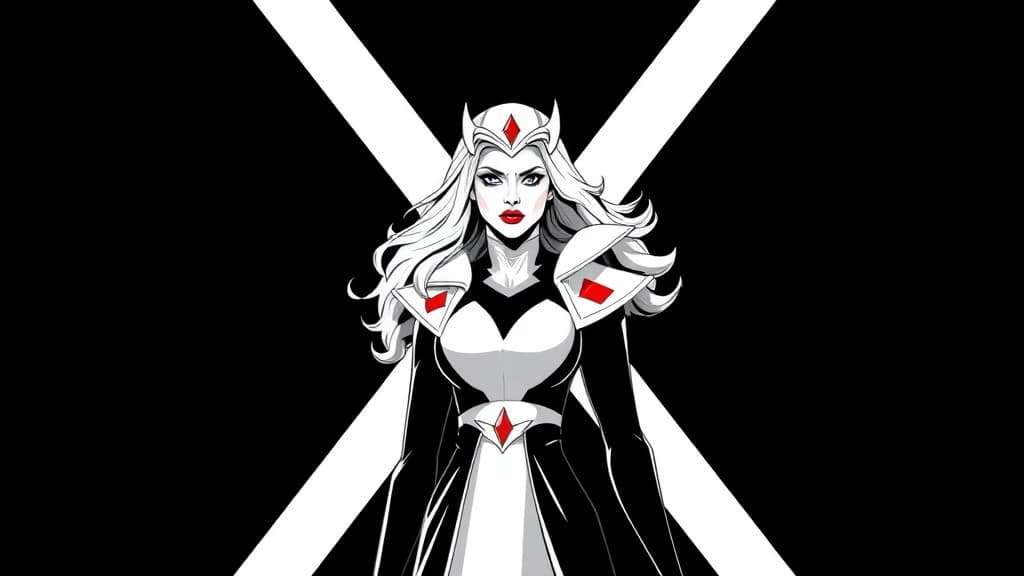
The X-Men were built on outsiders resisting forced conformity. Now Disney's version has Emma Frost — a character who spent decades in the comics evolving from villain to protector of young mutants — working with government-sponsored mutant hunters to round up her own kind for personal gain. Fans are calling it what it is: a betrayal of the source material and the audience.
The three-episode Season 2 premiere reveals Emma, after surviving the Genosha massacre, has been assisting X-Factor, a government-funded mutant task force, by identifying and turning in mutants so authorities leave her alone. When Jubilee calls her out, Emma cuts her off: "In these times, amnesty is everything."
That line didn't land. "Even as a villain, Emma Frost would NEVER give up mutant children to the government," wrote one fan on Twitter. A Reddit thread asked simply: "What on earth are they doing to Emma Frost?"
The anger isn't about a character making a tough choice. It's about Marvel torching decades of established storytelling. Emma Frost debuted as the White Queen of the Hellfire Club in 1980's Dark Phoenix Saga. She was an antagonist — but even then, she protected mutant students as leader of the Hellions. Over the years, writers transformed her into a mentor and antihero. Grant Morrison's New X-Men run cemented her redemption after the Genosha genocide, making her one of the X-Men's most important leaders. Comic Emma leveraged wealth and commerce to help mutants, not throw them under the bus.
Season 1 of X-Men '97 teased that arc by adapting the Genosha genocide. Fans expected the payoff. Instead, they got a collaborator.
"Why is Emma Frost still a villain after the events of Genosha being wiped out?" one fan wrote. "That was literally the whole catalyst of her joining the X-Men and protecting her students but in this show she's working for the government..."
/FILM reports the criticized characterization has been laid at the feet of former showrunner Beau DeMayo. Screen Rant framed the backlash more softly, calling it a reversal of "one of Marvel's biggest redemption stories" without naming who made the call.
The pattern is familiar. Corporate entertainment takes characters that resonated with audiences — characters who fought conformity and institutional power — and repurposes them. The X-Men once stood against a world that hunted them. Now their own show has a key member working with the hunters.
The question isn't whether Marvel can change its characters. It's whether audiences will keep accepting revisions that turn resistance into collaboration — and who benefits when they do.