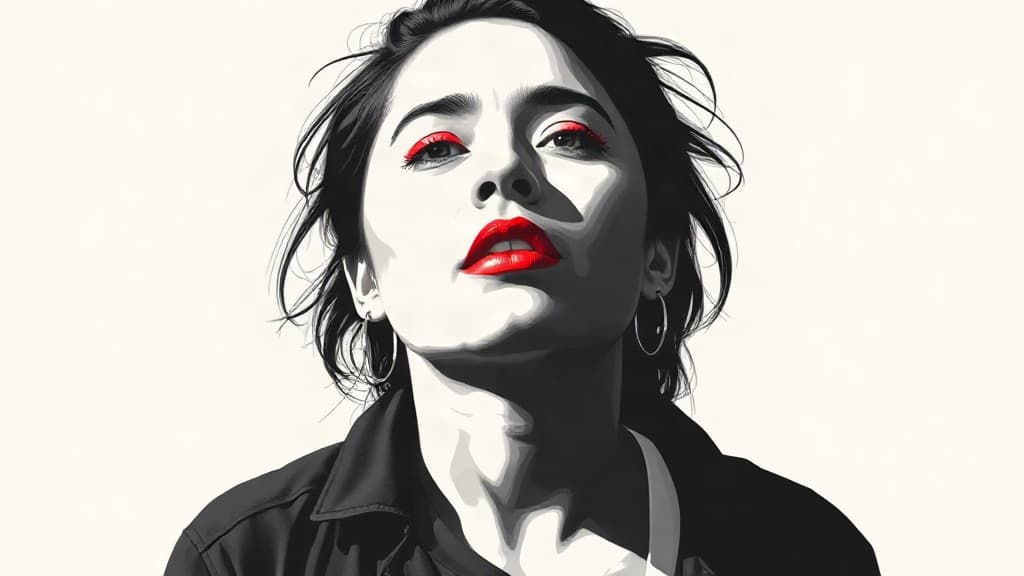
Sydney Towle, the 26-year-old who documented her stage 4 bile duct cancer for more than a million TikTok followers, has died — and the platform that commodified her suffering has already cycled to the next feed.
Towle's family announced her death Thursday, one day after she passed and just days after her brother Austin shared that she had entered hospice care. She was diagnosed with cholangiocarcinoma, a rare bile duct cancer typically found in adults over 50, in 2023 after an urgent care visit for what a doctor suspected was a hernia. An ultrasound revealed a solid mass. She was 23.
What happened next is the part nobody wants to name clearly. Towle turned a terminal diagnosis into content. Surgeries, chemotherapy, clinical trials, ice packs on her head to slow hair loss, a solo trip to Spain between treatments — all filmed, all posted, all feeding an algorithm that profits when human suffering keeps eyes on screens. USA Today called her a "TikTok creator." The New York Times labeled her a "social media memoirist." The Guardian went with "TikTok creator who shared cancer journey." Nobody wants to say what the business model actually is.
Towle herself understood the distortion. She faced trolls who accused her of faking her illness — the platform's engagement machine rewards skepticism as much as sympathy. "I'm not a television show that you're watching, which I think people have a really hard time understanding," she told the New York Times in a 2025 profile. "I'm not a fake character. I'm a person."
That quote is the one that should haunt anyone scrolling past. She knew the audience was consuming her like entertainment. She said so. And she kept posting anyway — because in the attention economy, a young woman with terminal cancer has two choices: disappear quietly, or monetize the tragedy to fund her care and maybe leave something behind.
Towle pursued every option available. After initial treatments failed, she sought a second medical opinion and enrolled in a clinical trial for tumor-infiltrating lymphocyte therapy, an immunotherapy using a patient's own immune cells. She updated followers from her hospital bed. In one of her final videos, posted June 28, she explained her refusal to dwell on the worst: "Why would I not envision the best-case scenario? The alternative is to not do that and to just be sad."
Her last post, on July 23, mentioned a band dedicating a song to her. "It's so hard to type but I'm trying my bets [sic]," she wrote.
Melinda Bachini of the Cholangiocarcinoma Foundation credited Towle with promoting understanding of young adults facing cancer and the importance of research funding. That advocacy is real. So is the system that required a dying woman to perform her decline for an audience to achieve it.
After her death, followers flooded her family's posts with condolences. One wrote: "That 26 year old sweet girl made more of an impact on the world than most people will do in a lifetime."
The question nobody in the coverage asks: impact for whom? Towle moved people. TikTok moved metrics. The distinction matters.