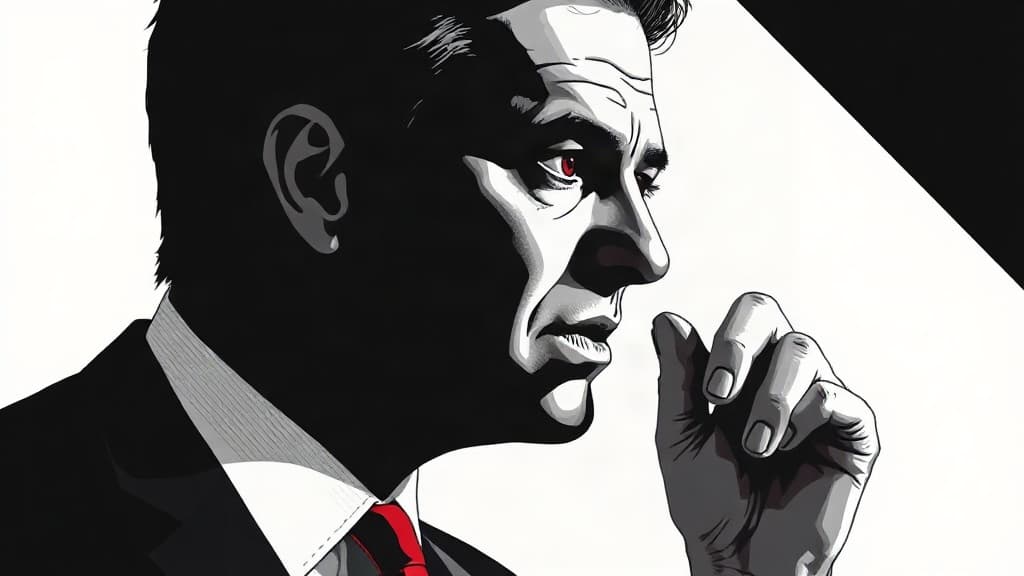
Russell Brand surrendered to God after years of celebrity emptiness; at the same moment, Meta was selling Instagram ad space to networks hawking child sexual exploitation material. One man found faith in a culture that offers nothing but anxiety — and in Big Tech's case, something far worse.
Brand's new book, "How to Become a Christian in 7 Days," chronicles his conversion from a life the culture celebrated — fame, sexual immorality, ego — to full surrender to God. The establishment press will mock it. They always do. But millions of ordinary Americans are finding faith for the same reason Brand did: the secular void is unbearable, and the institutions filling that void aren't neutral — they're predatory.
According to the Daily Caller's review, Brand is brutally honest about his past. He writes openly about idolizing fame, sexual immorality, and selfishness — and about how none of it delivered fulfillment. Even with all his money and attention, Brand writes, he struggled with depression and suicidal thoughts. He felt empty at the exact moments the outside world called him successful.
The turning point came through suffering. Brand's son's heart condition forced him to confront questions about pain and meaning, becoming a major catalyst for his faith journey. At one point in the book, Brand writes: "If you are going to read anything, throw this book out the window and read the Bible." The Daily Caller notes the tongue-in-cheek title masks a years-long process of overcoming sin and choosing surrender — not a seven-day shortcut.
Now consider what the secular alternative offers. India's IT ministry just ordered Meta to immediately disable all Instagram advertisements and content promoting child sexual exploitation and abuse material, according to TNW. The order gives Meta seven days to explain how the ads were approved and to detail safeguards. The trigger was a BBC Eye investigation published July 3: a test account in India was served roughly 30 distinct paid ads using explicit search terms, redirecting users to Telegram channels selling illegal material for about one dollar.
The ministry demanded corrective action against what it called the algorithmic amplification of such material. Failure to comply could threaten Meta's safe harbour protection under Section 79 of India's IT Act — the shield that exempts platforms from liability for user content only while they meet due diligence obligations. India is Meta's largest market by users. If the BBC's findings hold, the platform didn't merely host the problem — it sold ad space to it.
India isn't alone. The UK's Ofcom has opened a child safety investigation into Telegram under the Online Safety Act. US lawmakers passed a kids' online safety package in the House. Advocacy groups asked the FTC to investigate Roblox over child safety. In Europe, a third of GDPR fines against social platforms already relate to child data protection.
The press will frame Brand's conversion as eccentric or cynical. They won't frame Meta's ad business as what it is: a corporation that took money to connect predators with child exploitation material. The same cultural gatekeepers who sneer at faith are the ones who spent years insisting the platforms were responsible stewards of public discourse.
Brand looked at everything the secular world promised — fame, money, validation — and found it empty. He chose God. The institutions that replaced God chose profit, and they can't even draw the line at child exploitation. The question isn't why Americans are finding faith. It's why anyone is still surprised.