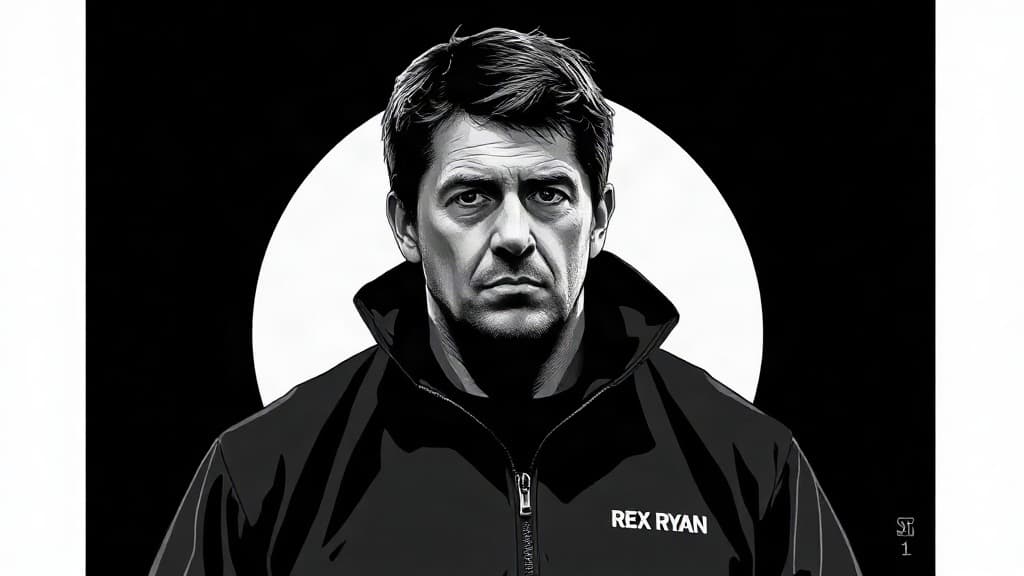
Rapper Yella Beezy will spend the rest of his life in a Texas state prison — one shower a day, no conjugal visits, possessions in a small box — after a capital murder conviction for his role in the killing of fellow artist Mo3, and the industry that built him has nothing to say about it.
Yella Beezy was found guilty of capital murder and received the automatic sentence: life without the possibility of parole. Prosecutors could have pursued the death penalty but chose not to, according to HotNewHipHop. Now the man who sold criminality as authenticity faces the real thing, and the conditions are a long way from the lifestyle his music promoted.
Per the facility handbook obtained by TMZ, Yella Beezy will serve under strict rules: one shower per day — boxers only while rinsing off — and a bunk assignment in a cell or dormitory. All personal property must be kept in a small box. Visits are limited to once a week for two hours. Even then, physical contact is restricted to kissing and hand-holding while sitting on opposite sides of a table. No privacy. No exceptions.
The commissary budget tells its own story. HotNewHipHop reports a weekly allowance of $25 to $85 depending on offense level; TMZ frames it as every two weeks. Either way, the man who once flaunted wealth on camera is now surviving on pocket change.
This is what actual accountability looks like — not a lyric, not a music video prop, but a concrete cell and a life that ends behind walls. The entertainment industry built fortunes packaging criminality as authenticity and selling it to young Americans as aspiration. When the fantasy becomes reality, there are real victims. Mo3 is dead. Yella Beezy will never walk free. The industry that profited from both of them will move on to the next act without so much as a pause.
The culture of lawlessness celebrated in media has real victims, and the industry that profits from it bears responsibility. The question isn't whether Yella Beezy deserves his sentence — the jury answered that. The question is how many more will follow before the industry stops selling criminality as a career path.