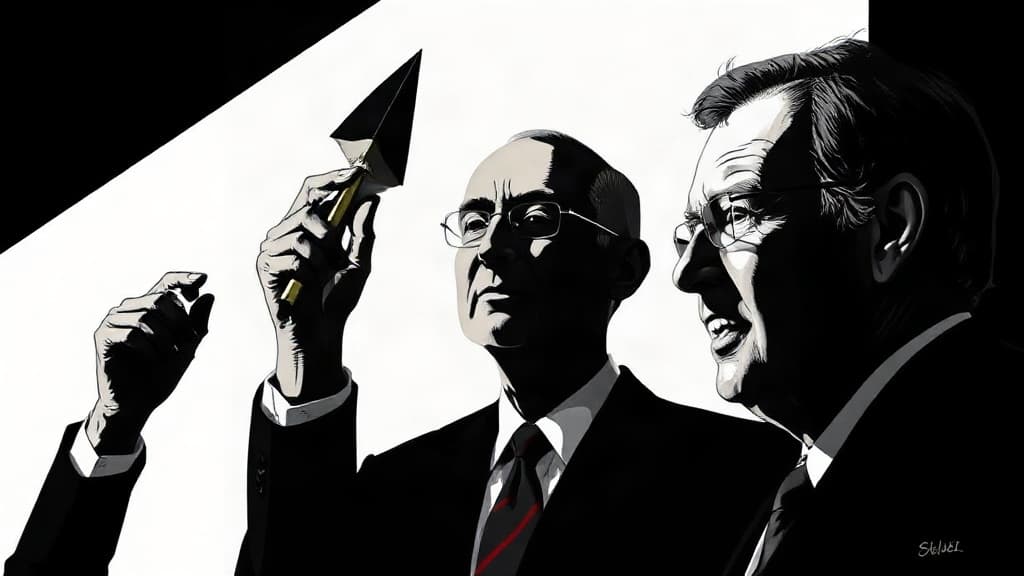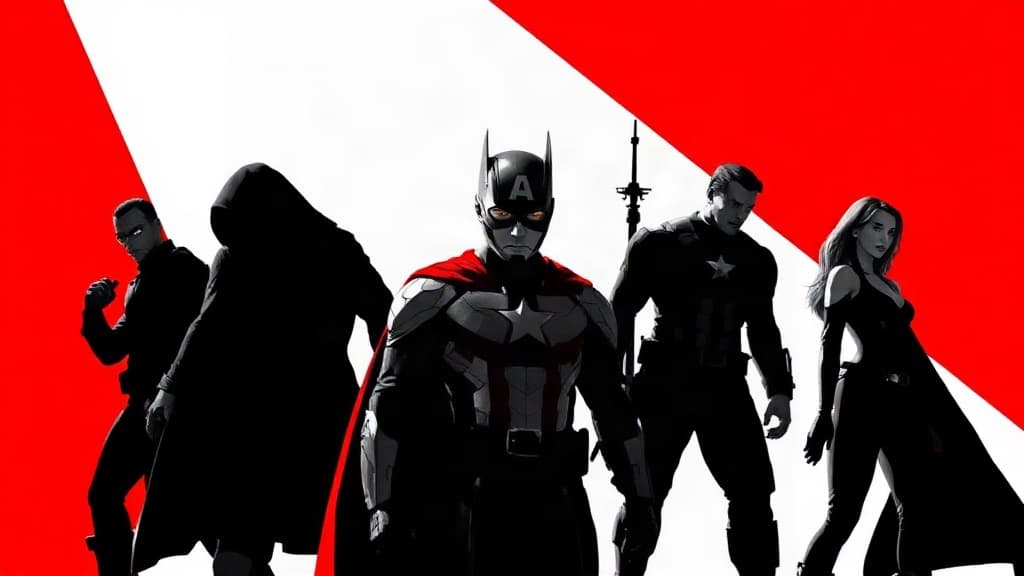
Marvel is dragging Fox's original X-Men back onto the screen for Avengers: Doomsday, proving once again that Hollywood would rather exhume old properties than cut a check for a new idea.
The stakes for ordinary Americans are simple: an entertainment oligopoly that burns hundreds of millions on franchise zombies is an industry that won't greenlight the next original story. The money goes to the brand, not the creator.
According to Gizmodo, Kevin Feige is leaning hard on the return of Fox's mutants as a selling point for Doomsday. James Marsden is back as Cyclops, now tasked with playing "a noble and good man" trying to save his universe from destruction. Channing Tatum's Gambit—"a more recent addition to the lineup"—gets to show he's more than a card-throwing Cajun caricature. The whole pitch rests on a Hugh Jackman quote Feige likes to recall: "People say it's impossible, but maybe someday the X-Men and the Avengers can all get together." Feige called putting the two teams on screen "the fun way to culminate a quarter-century of storytelling."
A quarter-century of storytelling that Marvel already rebooted, soft-killed, and threatened to erase multiple times. Gizmodo notes that audiences have been "trained to think these X-Men were going away to make room for an MCU reboot." Now they're not going away—they're being trotted out one more time before the presumably inevitable full reset. Even Gizmodo's writer admits they're "ready for Marvel to get these guys out of their system (for real this time) and move on to new blood, and hopefully without trying for any more do-overs."
That's the tell. The entertainment press itself is exhausted by the do-over cycle. Feige frames nostalgia as culmination; in practice it's a holding pattern. The X-Men were already given a sendoff. Now they're back because the MCU's post-Endgame phase couldn't find its footing with new characters, and the balance sheet demands a recognizable IP.
Follow the money: Disney paid $71 billion for Fox's assets in 2019. That acquisition wasn't made to let those properties collect dust. Every Fox character that appears on screen is ROI on a deal that hasn't paid for itself yet. The creative decision to bring back Cyclops and Gambit isn't creative at all—it's amortization.
The second outlet provided, SlashGear, ran a piece on vintage car parts commanding premium prices from collectors—Horch 853 fenders at $25,000, Porsche Fuchs racing wheels at $1,700 per corner. The connection to Hollywood's IP problem is accidental but sharp: scarcity creates value. Those car parts are worth something because nobody's making them anymore. Marvel's approach is the opposite—flood the market with the same brand until the audience stops showing up.
The open question is how many more times Marvel can sell audiences the same reunion before the ticket stops buying itself.