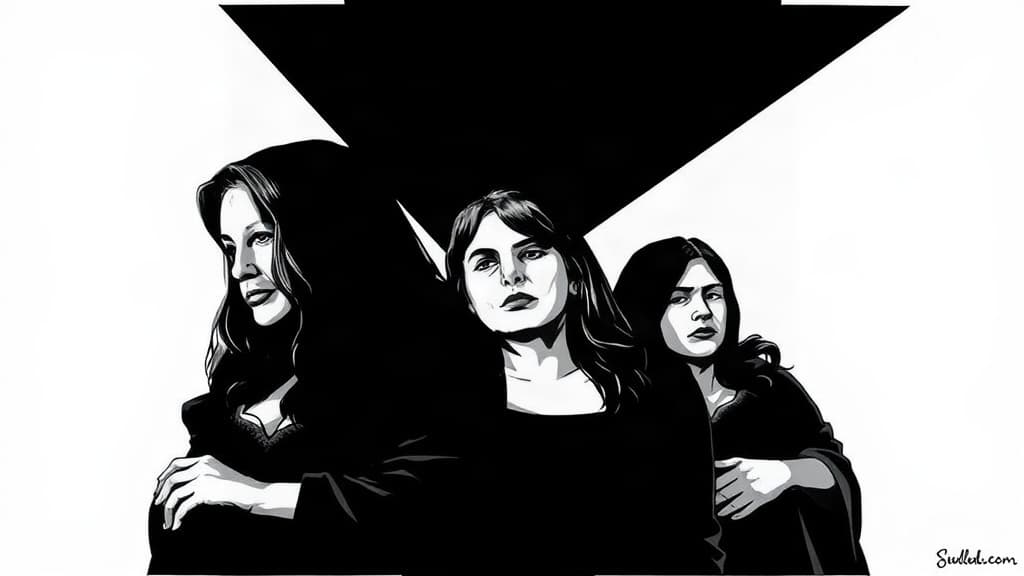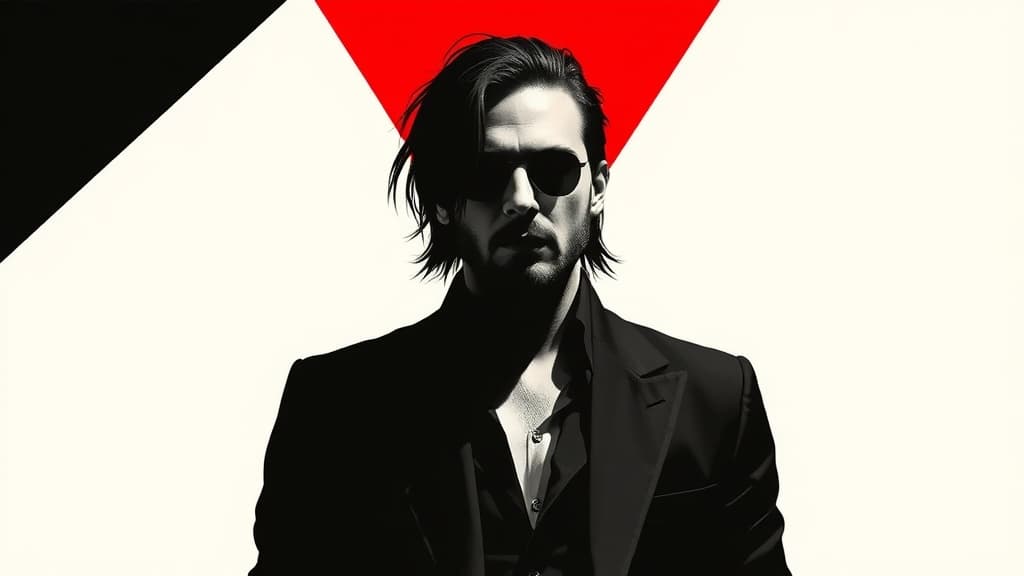
Four women say Oscar-winning actor Jared Leto committed criminal sexual conduct against them when they were teenagers — and at least one was handed a non-disclosure agreement to keep quiet about it. The industry that lectures working Americans on decency has another predator problem, and once again the system built to protect stars worked exactly as designed.
The allegations come from a BBC documentary, "Jared Leto: Hollywood's Dark Secret," in which 10 women total describe encounters with Leto between 2002 and 2016, when he was in his 30s and 40s. Nine of the women are speaking publicly for the first time. The BBC says it corroborated accounts with friends and family and reviewed messages and images supporting the women's stories.
The four central accusers, using pseudonyms, describe a pattern. "Isabel" says Leto sexually assaulted her in a Las Vegas motel bathroom in 2002 when she was 17, grabbing her hand to masturbate himself. "Clara" says she had sex with Leto at his California home in 2006 when she was 17 and he was 34 — statutory rape under state law — and that Leto "shrugged off" the age of consent. "Alex" says Leto threatened her with sexual assault in a London hotel room in 2013 when she was 19, telling her she would wake up "with a dick in her ass." "Etta" says Leto groomed her with explicit phone calls starting when she was 16 in 2014 — and that Leto's lawyer later sent her an NDA, which she refused to sign. The BBC says it has seen the document.
Two men who worked with Leto's band told the BBC that staff were uncomfortable with Leto's interactions with teenage girls invited backstage or to his recording house. "I think everyone thought the age gap was way too big," one said.
Leto denied the claims in a statement to Page Six: "I have never sexually assaulted anyone in my entire life. These claims are absolutely and categorically false." Page Six and Deadline note this is not the first round of allegations — nine women accused Leto of sexual impropriety in a 2025 Air Mail exposé, which he "expressly denied" at the time. Nearly two decades ago, the New York Post reported Leto was approaching and texting teen models at Manhattan's Maritime Hotel.
Breitbart's John Nolte framed the BBC documentary as a "high-tech vigilante lynching" and argued the media has no business standing in for the courts. He has a point about due process — no one should be convicted by press release. But Nolte buried the more uncomfortable truth: when accusers go to the media instead of police, it is often because the system already failed them. NDAs, high-priced lawyers, and statutes of limitations do that. One alleged victim told the BBC: "This was 25 years ago… he has gotten away with it."
The BBC counted more than 120 separate allegations made online about Leto. That's not a court verdict, but it's not nothing either. The question isn't whether the press should replace prosecutors — it's why an industry that fires people for wrongthink spent two decades letting this fester behind contracts and silence.
Leto, now 54, is still touring with Thirty Seconds to Mars. No criminal charges have been filed.