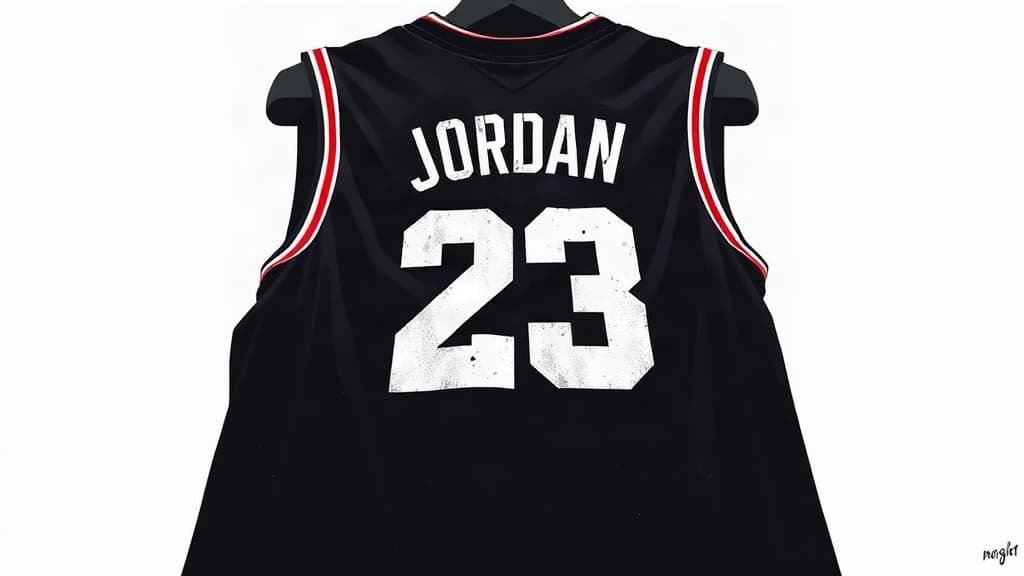
A Miami real estate investor just paid $14 million for a Michael Jordan jersey—the same economy where working Americans are choosing between groceries and gas.
Ron Firman bought the game-worn road jersey from the 1998 NBA Finals in a private sale handled by Pennsylvania-based Hunt Auctions, both the Guardian and the Chicago Tribune reported Monday. The auction house president, David Hunt, didn't mince words about what this transaction represents: Jordan's memorabilia has "escalated to an elite asset class more typically reserved for iconic works of art."
He's right, and that's the problem. When Federal Reserve policy floods the system with cheap money, asset prices detach from reality. Real estate, equities, fine art, and now sports memorabilia—all surge together. Wages don't. The same class of people who can park $14 million in a basketball jersey are the ones who benefit most from the monetary regime that makes your paycheck worth less every month.
This is the third Jordan jersey from that 1998 finals to crack eight figures. A Game 1 jersey sold for roughly $10.1 million in 2022. A Game 3 jersey went for about $12.3 million just last month, according to both outlets. The price escalation alone tells you everything about where the inflated dollars are going.
Firman, the buyer, made his money in Miami real estate—an industry that has been one of the primary vehicles for asset inflation in the post-2008 era. In a statement distributed by the auction house, he kept it simple: "Michael Jordan was an incredibly talented player who is admired around the world. I'm very excited about the purchase."
The $14 million price tag is the second-highest ever paid for a game-worn jersey, trailing only the $24.12 million shelled out in 2024 for Babe Ruth's "called shot" jersey from the 1932 World Series. The Ruth sale and the Jordan sales share the same tell: massive concentrations of capital chasing hard assets in an era of monetary debasement.
The jersey was originally purchased directly from the Bulls by a private collector in 2003, Hunt Auctions said, and had only changed hands once before. So a piece of cloth that cost a fraction of this price two decades ago has appreciated at a rate that would make any wage earner weep—except wage earners can't play this game. They don't have the capital.
Nobody is saying Ron Firman can't spend his money how he wants. The question is why the system is designed so that his money—made in asset markets inflated by Fed policy—can compound itself in more asset markets, while the people who actually work for a living watch their dollars buy less every trip to the store.
The auction house president called it an "elite asset class." The question is who the system is built to serve, and who it leaves behind.