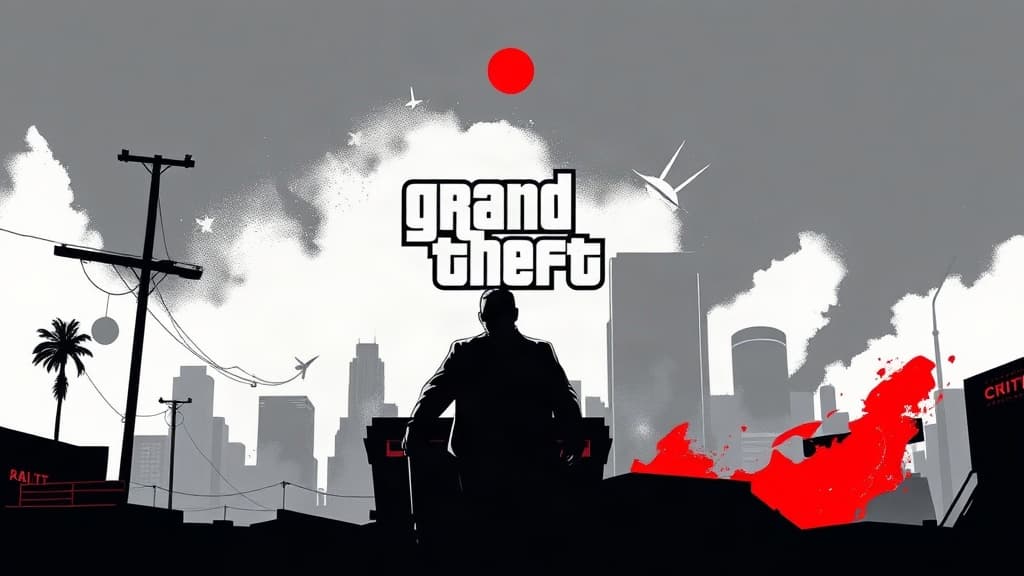
Take-Two CEO Strauss Zelnick is already teasing Rockstar's next product before GTA 6 even reaches store shelves—because the real business isn't the game you buy once, it's the revenue stream that never stops giving.
For ordinary Americans, this is how the cultural economy works: a major studio drops a product built on crime, violence, and sexual exploitation, and before you've spent your first dollar, the CEO is already selling you the next one. The profits are private. The cultural damage is shared.
During Take-Two's latest financial results call, Zelnick told investors that Rockstar has "completed the development of GTA 6" and "they have done their very best work, and it's going to come to consumers soon." Then the pivot that matters: "Then, of course, Rockstar will focus on what comes next, and they'll announce that in the fullness of time."
What comes next is almost certainly a new GTA Online. GamesRadar+ described the existing online platform as generating "unfathomable profits." That's the real product. The sixty-dollar game is the gateway. The microtransaction engine is the business. Zelnick dodged multiple investor questions about GTA Online's future during the call, but the model speaks for itself. Why sell a game once when you can charge access to the lifestyle forever?
Follow the money. Take-Two Interactive is publicly traded. Zelnick, who serves as both CEO and chairman, has overseen the company's transformation from a game publisher into a live-service revenue operation. GTA 5 has sold over 190 million copies lifetime. GTA Online has generated billions in recurring microtransaction revenue. The "what comes next" isn't artistic ambition—it's financial engineering.
And it's not just Take-Two. The pattern repeats across the industry. NetEase's Marvel Rivals, a hero shooter pulling millions of players, just announced Season 11 with Nightcrawler. Polygon noted the character appears "on a cross as the sun filters in like a Renaissance painting"—religious imagery repackaged as video game spectacle. The industry doesn't just push boundaries. It consumes what people hold sacred and resells it as content season passes.
The question isn't whether these companies have the right to produce what they produce. They do. The question is why the same institutions that lecture Americans about harm, sensitivity, and systemic injustice fall silent when the product generates a billion-dollar return. The corporate activism crowd has nothing to say about a franchise built on stealing cars, soliciting prostitutes, and running down pedestrians—because the checks clear.
Zelnick told investors the GTA 6 marketing campaign is "fully baked." So is the strategy: push the culture further, monetize the decay, and announce the sequel before the current product even ships. The only question left is who keeps paying for it.