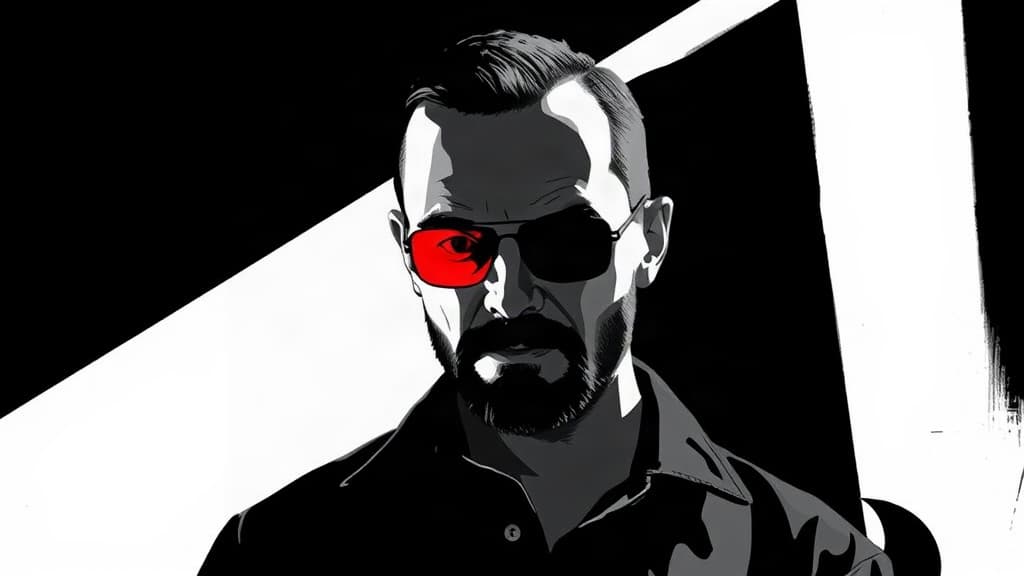
RJ Mitte, who played the son of television's most celebrated meth cook, died Monday in Brownsville, Texas, at age 34 — and Hollywood is once again wrapping itself in the glow of a show that glamorized the drug ravaging working-class America.
Mitte was pronounced dead just after 1:30 p.m., according to Brownsville Justice of the Peace Judge Cyndi Hinojosa. No cause of death was disclosed. His representatives confirmed the passing in a statement calling him a "beloved actor, philanthropist, and passionate disability rights advocate."
Mitte had cerebral palsy, and his character on Breaking Bad — Walter "Flynn" White Jr. — shared that condition. The role was his breakout; he was 15 when the series debuted in January 2008, NBC News reported. He brought what his reps called "authenticity to the role and built a platform on disability awareness and inclusion." He served as an ambassador for United Cerebral Palsy and Shriners Children's and led The Mitte Foundation.
That advocacy was real. The show that made him famous is another story.
Breaking Bad ran five seasons and collected 58 Emmy nominations, winning 16, including two for Outstanding Drama Series, according to Deadline. The industry showered it with awards. Critics called it one of the greatest shows ever made. The premise: a high school teacher starts cooking meth to pay medical bills, becomes a drug kingpin, and the audience roots for him. AMC built a franchise on it — Better Call Saul, El Camino — extending the universe of cartel violence and blue meth for another decade.
Methamphetamine has destroyed countless working-class communities across this country. It has hollowed out small towns, filled prisons, and left families in ruins. But in Hollywood's telling, the meth trade is a canvas for anti-hero mythology and Emmy-night prestige. The people who actually live in the wreckage don't get a writers' room.
All three outlets covering Mitte's death — CBS News, NBC News, and Deadline — framed the story around his disability advocacy and the show's accolades. None mentioned the meth epidemic. Deadline ticked off the Emmy count. NBC noted the show's late-in-life viewership surge. CBS called it "often cited as one of the greatest TV shows ever made." The disconnect is the story.
Mitte himself understood the power of representation. "I'm lucky that I can be an advocate," he told VICE in 2016, as quoted by NBC News. He used his platform for people who, as he said last year, "don't get the same opportunities." That work mattered.
But the industry that employed him has never been held to account for what it sells. Hollywood profits off the decay of the country it flies over. It turns the meth epidemic into prestige television, collects its statuettes, and moves on. Brownsville — where Mitte had relocated and where, Hinojosa told NBC, "he was so gracious to our town" — is closer to the real America than any studio backlot. That's where the consequences land.
The question nobody in the press is asking: when does the culture industry owe something back to the communities it turns into entertainment?