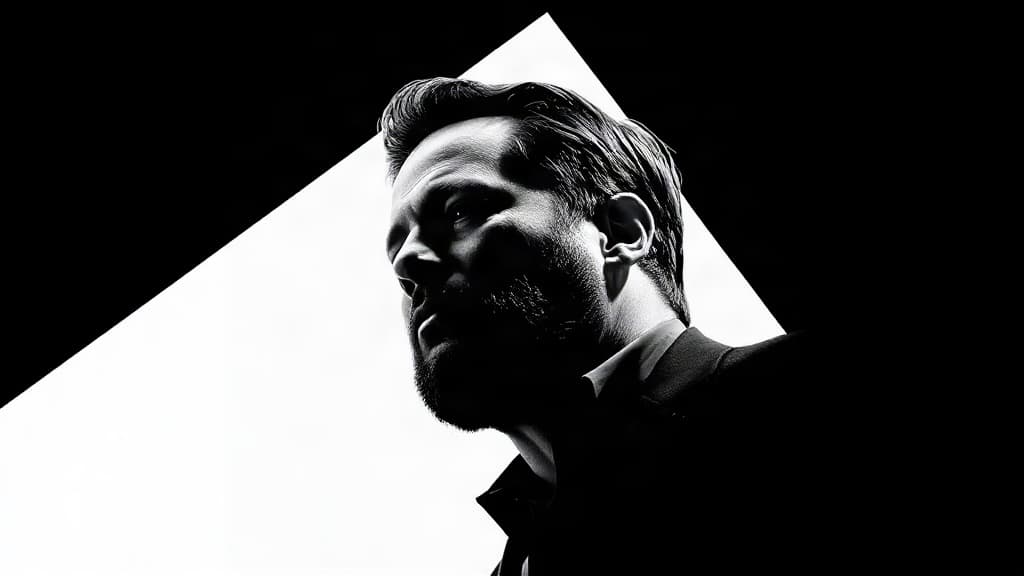
Ben Affleck pocketed nearly $600 million selling his AI company to Netflix and now wants ordinary Americans to trust him as the moral arbiter of artificial intelligence — the same industry that can't define a woman, shelters predators, and blacklists anyone right of center.
At a Bloomberg Screentime event this week and again at the Netflix premiere of his new film Animals, Affleck positioned himself as Hollywood's responsible steward of AI. "I used [AI] for lots of things in that movie," he admitted, while refusing to specify what. "I'm a little bit hesitant to point out what they are — or even talk about it — because in my business, we're trying to foster the illusion of reality, right?" Translation: you're not supposed to know what's real and what's machine-generated.
The Hollywood Reporter gave Affleck a lengthy red carpet platform to outline his supposedly principled framework. "I wouldn't use something that trains on or has learned from any work that is copywritten, or that is an intelligence created by a peer of mine or somebody that I look up to," he said, claiming he built a "proprietary dataset" to avoid being "extractive." Deadline, by contrast, buried the $600 million Netflix acquisition deep in its coverage, framing the story as a straightforward tech showcase rather than a financial conflict worth examining.
Here's the stake: Affleck sold InterPositive to Netflix for nearly $600 million earlier in 2026, according to The Hollywood Reporter. He then directed and starred in a Netflix film using that same technology. When the man cashing the check tells you his product is the "ethical" one, follow the dollars.
Affleck insisted AI will never replace human creativity. "I don't think that's ever going to happen in a way that anyone's going to give a shit enough to want to see it," he said. He argued that handing AI tools to filmmakers who are guild signatories — rather than tech companies — produces better, more respectful results. "I'm already uncomfortable with some of the ways some tech companies behave around image and likeness," he told THR.
Left unmentioned: the industry Affleck defends routinely copies, appropriates, and repackages creative work under the banner of "inspiration" while its legal teams crush anyone who fights back. The same Hollywood that spent decades covering for Harvey Weinstein and blacklisting conservatives now insists it should write the ethics rules for emerging technology.
Affleck also redirected blame for Hollywood's problems away from AI. "We do have an issue in Hollywood. It's not AI, it's never actually going to be able to do this, in my view," he said, pointing instead to theatrical attendance declines, labor stoppages, and production tax rebates. Conveniently, those are problems that a $600 million AI windfall doesn't solve for the working crew members who walked picket lines.
The question isn't whether AI tools have legitimate uses in post-production. It's whether the people who sold those tools for a fortune — and the studio that bought them — should be the ones defining "ethical" for the rest of the country.