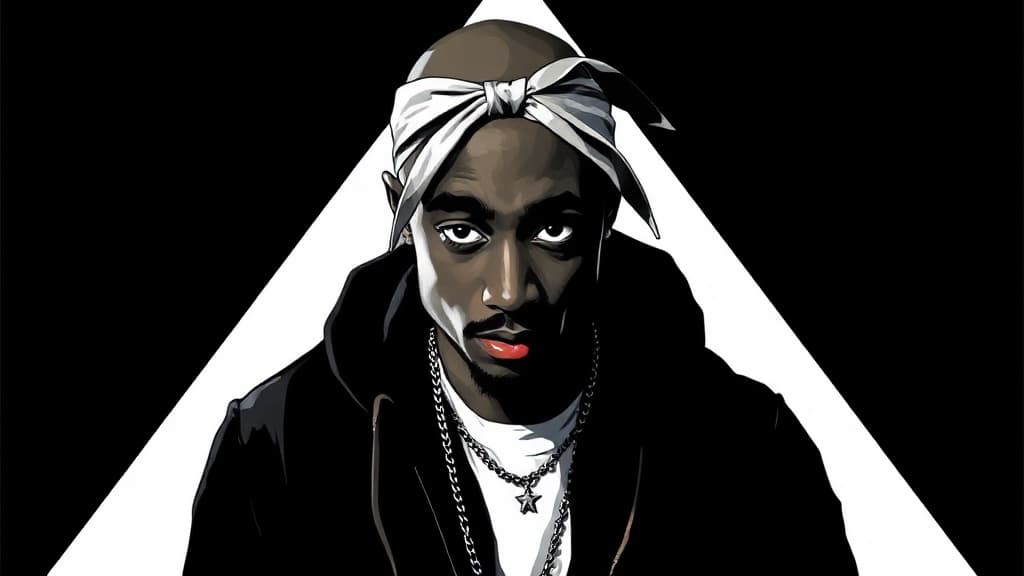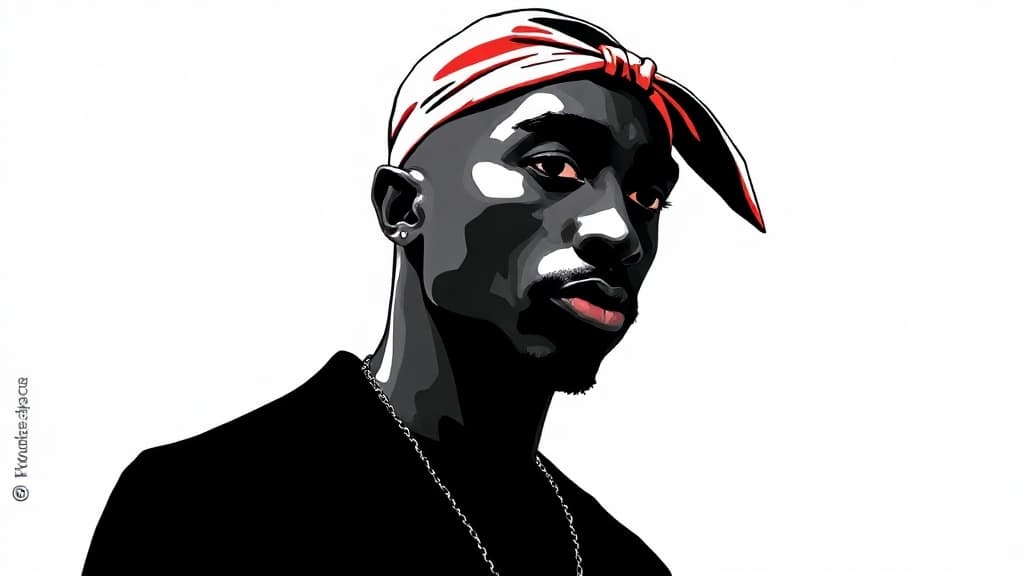
A man finally stands trial for orchestrating Tupac Shakur's 1996 murder — nearly 30 years late, and only because he wrote a book bragging about it, exposing a justice system that cut deals with suspects and let a legendary artist's killing go unanswered for three decades.
Duane "Keffe D" Davis, 63, goes on trial Monday in Las Vegas, charged with murder with a deadly weapon in furtherance of a criminal gang. He pleaded not guilty and faces life in prison if convicted. But the story the media is romanticizing — the cultural icon, the Grammys, the Hall of Fame — buries the real scandal: prosecutors gave Davis what amounted to a pass in 2008, and a prosecutor now admits they'd probably never have charged him if he hadn't published his memoir.
Both the Associated Press and WDIV ClickOnDetroit ran essentially the same story, leading with Shakur's cultural legacy — six Grammy nominations, Rock & Roll Hall of Fame induction in 2017, a posthumous Hollywood Walk of Fame star, an Oakland street renamed in his honor, a video game character inspired by him. Both outlets frame this as a long-overdue cultural moment. Neither asks the obvious question: why did accountability take 27 years?
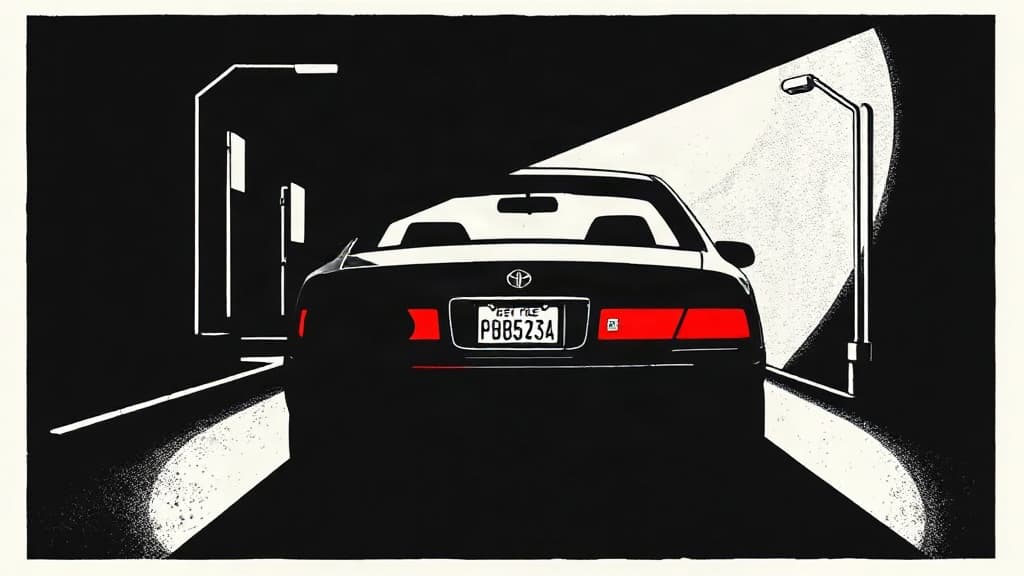
Here are the facts. Prosecutors don't claim Davis pulled the trigger. They say he organized the drive-by shooting as revenge after Shakur and his entourage beat up Davis' nephew at the MGM Grand hours before the killing. The shots came from a white Cadillac carrying Davis and three others. All three have since died — meaning Davis is the only surviving witness to what happened inside that car.
In 2008, Davis spoke to investigators under an agreement that his statements about Shakur's killing couldn't be used against him. He walked. Then, nearly a decade later, he published a book detailing his role and did media interviews laying it all out. Those statements became the prosecution's key evidence.
The most damning line came straight from prosecutor Marc DiGiacomo: "Had he decided to never write the book, he would not, probably, have ever been prosecuted for the crime." Both outlets reported this quote. Neither treated it as the indictment of the system that it is.
Shakur's family expressed the frustration the system won't acknowledge. "For me, justice has long left the station 30 years ago," said cousin William Lesane, who flew in from Atlanta. Stepbrother Maurice "Mopreme" Shakur told the AP the trial will be retraumatizing but the family will be there: "We're gonna stand by Pac as we always have."
Music producer Darryl Harper, who worked with Shakur at Death Row Records during his final days, flew in from Georgia and said: "My prayer is that it's the right person. If he's the right person, then I'm glad that Tupac would get some kind of redemption finally. I think he deserves it."
Prosecutors plan to call 35 to 45 witnesses. The defense will call only a handful.
A man who helped orchestrate a murder walked free for decades under a government deal, and only faces justice now because he couldn't resist bragging about it in print. The question neither the prosecution nor the press wants to answer: how many other killers are walking around right now, protected by the same kind of arrangements?