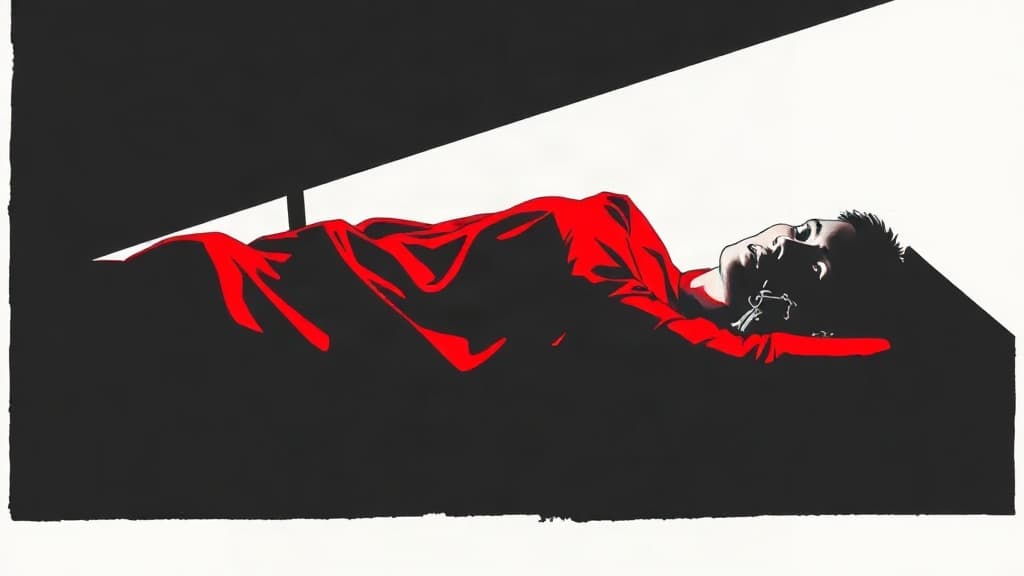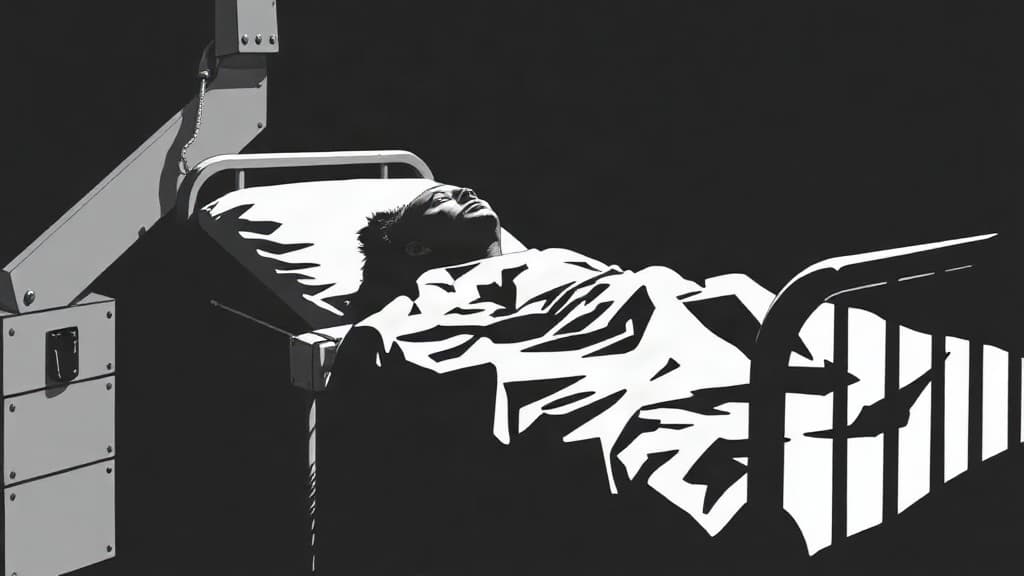
The state of Tennessee tried to kill Christa Pike and couldn't even do that right. Pike, 50, is now conscious and speaking in a Nashville hospital — handcuffed and shackled to her bed — after surviving two full doses of pentobarbital meant to end her life last Wednesday. She is the only person known to have survived a completed execution attempt in American history.
This is what happens when you hand government the ultimate power: it fumbles it. The same state that can't run a DMV without a three-hour wait is the one Americans trust to carry out irreversible justice. Pike's attorneys had warned before the procedure that her medical history — a blood-clotting condition and small veins — made IV access risky. The U.S. Supreme Court let it proceed anyway. One of her lawyers, Randy Spivey, counted seven needles in her left arm after the attempt, one of which appeared bent when pulled out.
Witnesses described Pike choking and struggling for an hour after the first injection, according to The Guardian. A second dose also failed. She was taken to the hospital, placed on a ventilator, and listed in critical condition. Dr. Joel Zivot, an anaesthesiologist advising Pike's defense, told the BBC the two doses would have surely killed her had the drug entered her bloodstream properly. Instead, it likely spread into the tissue under her skin. Zivot said brain injury is "very possible" because resuscitation efforts were not undertaken right away.
No one in authority has explained what went wrong. Tennessee Governor Bill Lee paused all executions for the rest of the year and ordered an independent review. Prison chief Frank Strada resigned over the weekend, saying in a statement reported by NBC News that he believed staff followed protocol but stepping aside was in the "best interest of Tennesseans." The Guardian noted that lawyers say Pike's case was the fifth botched execution under Strada's leadership across two states. Authorities have not said whether they will attempt to execute Pike again.
None of this erases what Pike did. She was 18 in 1995 when she and her 17-year-old boyfriend, Tadaryl Shipp, lured 19-year-old Colleen Slemmer into the woods near a University of Tennessee campus. Pike cut Slemmer's stomach and throat with a box cutter and smashed her head with a rock. Shipp carved a pentagram into the victim's chest. Pike later showed a friend a fragment of Slemmer's skull. She has never denied her involvement. Shipp got life with the possibility of parole. Pike got death.
The crime was savage. The state's response was something else entirely — a procedure so botched it left a woman alive, severely injured, and shackled to a hospital bed while her prognosis remains unclear. Her attorneys described her recovery as "medically unprecedented" and said Tuesday that she has endured "severe damage" to her arms.
The question isn't whether Pike deserved punishment. It's whether the government can be trusted to deliver it. Tennessee just supplied the answer.