A homeless woman previously banned from President Trump's Mar-a-Lago estate was arrested Saturday for trespassing on the Palm Beach property for at least the second time — and the system's only answer is to charge her with a misdemeanor and set a bond she likely can't pay.
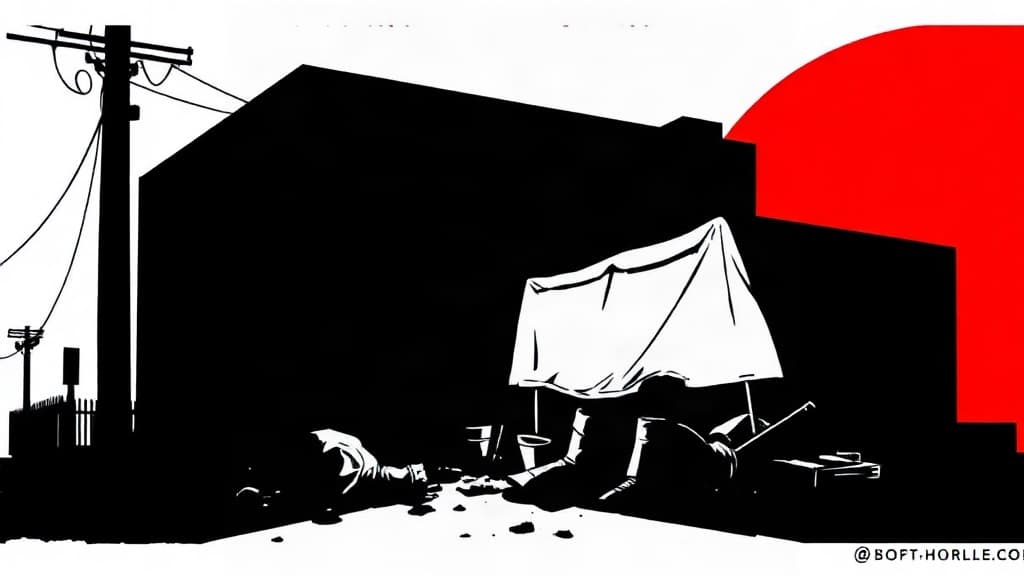
This is the mental health crisis in a single case. Li Hua Stevens, 65, a Chinese native now living on the streets, ignored a massive "RESTRICTED AREA: NO TRESPASSING" sign and wandered the sprawling Mar-a-Lago grounds pushing a utility cart packed with her belongings until Secret Service agents spotted her, according to CBS 12 as reported by the New York Post. She had already been warned and ordered off "all Mar-a-Lago properties" after a May 2 trespassing incident. She was arrested again in June for defecating in a public garden — she admitted it when police showed her surveillance footage, the Post reported. And now she's back, charged with misdemeanor trespassing, held on $2,000 bond.
Arrest, release, repeat. The cycle continues because the institutions that once might have committed a clearly unwell person to treatment no longer exist or have been hollowed out by decades of deinstitutionalization. The authorities have two moves: write a ticket or make an arrest. Neither addresses the problem.
President Trump was not at Mar-a-Lago during the breach — he was in Washington, D.C., attending the Freedom 250 Grand Prix. But the security implications are stark. A woman with a history of trespassing walked past the restricted area signs of a former president's residence, and the only barrier was a sign and the hope that Secret Service would spot her in time.
The failure isn't limited to Palm Beach. In San Francisco, the institutional breakdown runs even deeper. According to HotAir, when alleged gunman Norris Reed III shot SFPD Officer Brittney Taylor on May 31 and fled on foot, he ran straight to a Bayview homeless shelter — where two employees allegedly helped him evade capture. Oliver Barcenas, 36, and Erika Porter, 45, were arrested last week. Police say surveillance video shows the shelter staff assisting an armed cop-shooter. The nonprofit that runs the shelter claims its employees were "de-escalating a dangerous standoff" to evacuate 125 people safely. Reed was eventually arrested inside the shelter's fenced courtyard over an hour after the shooting, with two firearms seized from his waistband.
Officer Taylor, a ten-year veteran recognized for saving a life last year, survived the shooting and was hospitalized for three weeks, HotAir reported.
Two cities, same root failure. In Palm Beach, a mentally ill woman breaches a president's home and the system can only arrest her — again. In San Francisco, a man shoots a cop and shelter staff allegedly help him hide. The institutions meant to manage these crises have either been gutted or have turned against the very idea of enforcement. Deinstitutionalization emptied the asylums. Progressive prosecution emptied the jails. What's left is a sign on a fence and the hope that next time, someone notices before it's too late.
The question neither city can answer: what happens when arrest isn't enough, and the people running the shelters are on the other side?