Body camera footage caught a New York police lieutenant planting drugs on an innocent man facing a decade in prison — and the officer walked without charges, only to pick up another badge in a neighboring county.
This is exactly the kind of unchecked state power the founders warned about. Lt. Sean Kane of the New Rochelle Police Department fabricated evidence that could have destroyed Ivin Harper's life. Without that bodycam — the very technology some institutional voices want to restrict — Harper would likely be sitting in a cell right now. Instead, a grand jury declined to indict Kane, the department demoted him rather than fire him, and he resigned in March after 19 years to take a job as a Putnam County sheriff's deputy, according to Atlanta Black Star.
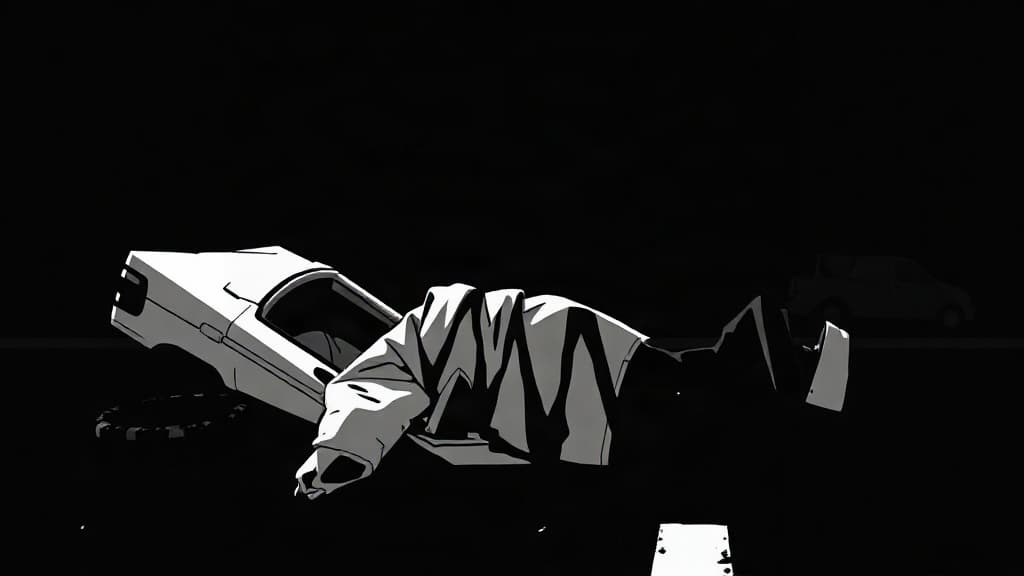
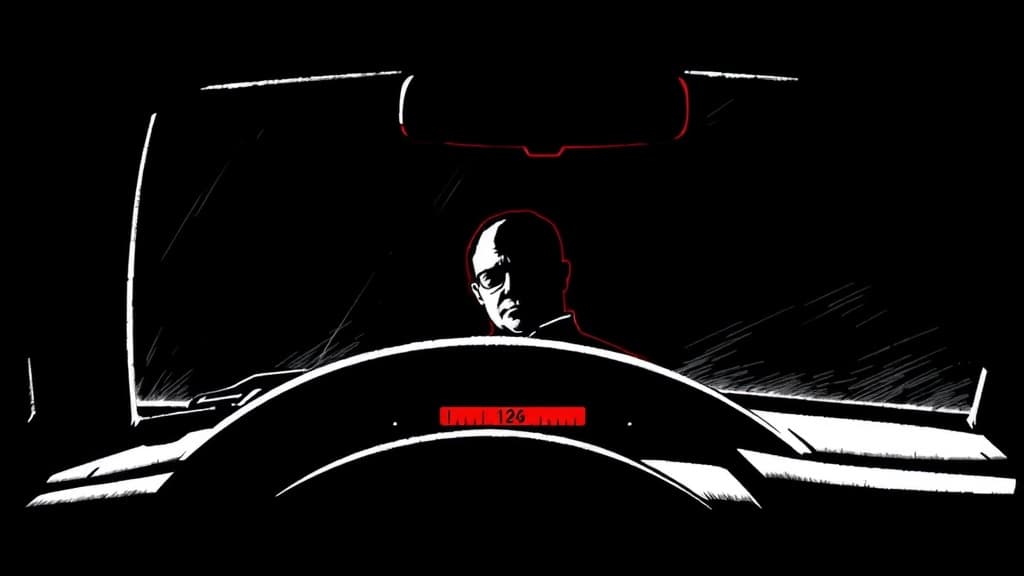
The facts are damning. On May 29, 2024, Kane's own body camera captured him holding a bag of white powder inside his patrol car, apparently believing the camera was off. He then activated the audio, still seemingly unaware the video was recording. He drove to where Harper had left his car, reached under the front driver's-side tire of Harper's SUV, and claimed he found the same bag he'd been holding moments before. Back in his cruiser, Kane radioed dispatch: "It's going to be one for felony drugs." "You found the drugs?" the dispatcher asked. "Affirmative," Kane responded.
Harper was arrested on July 10, 2024, on felony drug charges carrying up to 10 years in prison. Prosecutors dismissed the charges 44 days later, on August 23, after reviewing the video.
This wasn't even the first time New Rochelle cops targeted Harper. In July 2023, Officer Jared Gramble arrested him, claiming protein powder in Harper's car was cocaine. Those charges were dismissed after Gramble left the department.
Harper filed suit this week against the city, Kane, two other officers accused of going along with the false arrest, and a private citizen who allegedly supplied the drugs to Kane. "Additional officers then knowingly fabricated a police report claiming they saw Mr. Harper throw a bag of drugs," the lawsuit states. "Body-worn camera footage reveals this is false."
Atlanta Black Star framed the story heavily through the lens of racial targeting, noting Harper is Black and that Kane "built a reputation" in the city's Black community, which makes up about 18 percent of the population. Harper himself said in court: "This big white cop been destroying our little Black community for so many years. We've been coming down here begging you guys, so many complaints. Every time we came with a complaint, they promoted him." The racial dimension is real. But the deeper structural problem is institutional power protecting its own.
Contrast that with Birmingham, where AL.com reports that officer Darrion Lapsley, 26, was arrested and fired after an alleged first-degree sexual assault. Birmingham's police chief stated plainly: "No one is above the law." That's what accountability looks like when it actually happens. In New Rochelle, the system couldn't bring itself to file charges against a cop caught red-handed on his own camera.
Meanwhile, the Worcester Telegram & Gazette reports that six months after Uxbridge Police Officer Stephen LaPorta was killed by a tractor-trailer on an icy highway while assisting a motorist, the DA's office has shared no updates and no charges have been filed. Officers described Route 146 that night as an "ice rink." The public still has no answers.
The thread connecting these cases: the state operates with too little transparency and too little accountability, whether an officer abuses his power or dies in the line of duty. The bodycam that saved Ivin Harper is proof that technology in the hands of the people is the only check on power that actually works — and the system that failed to punish Kane is proof that check is still nowhere near enough.