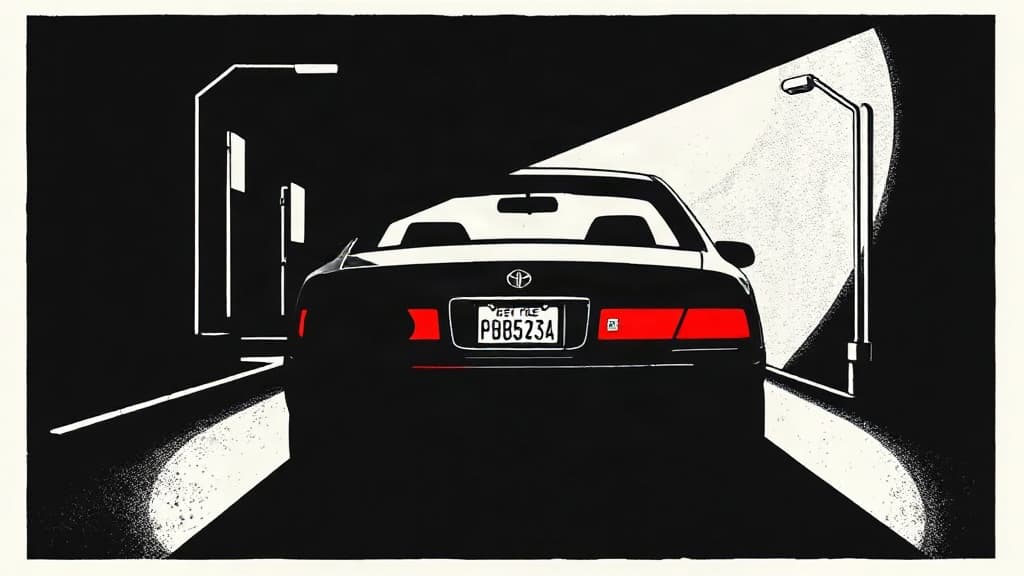
A pole-mounted camera reads your license plate three blocks from a crime scene, and that single timestamp — no driver identified, no witness contact, no direction of travel confirmed — is enough for a warrant, an arrest, and a prosecution. Automated license plate readers have quietly become the spine of ordinary criminal cases, and the courts have mostly let it happen without a warrant.
The stake for every American is simple: your Fourth Amendment protection against unreasonable search is being swallowed by a private camera network that logs every passing car by default. Flock Safety operates a nationwide system dense enough that one trip to the grocery store triggers several reads, according to Augusta Free Press. Multiply that across every registered vehicle and every unsolved property crime, and coincidence manufactures suspects on its own.
Here is what the camera actually captures: plate number, timestamp, camera location. That is the entire data point. It does not record who was driving, where the car went next, who got out, or whether the vehicle sat at that intersection for two seconds or twenty minutes. But affidavits language the hit as placing your car