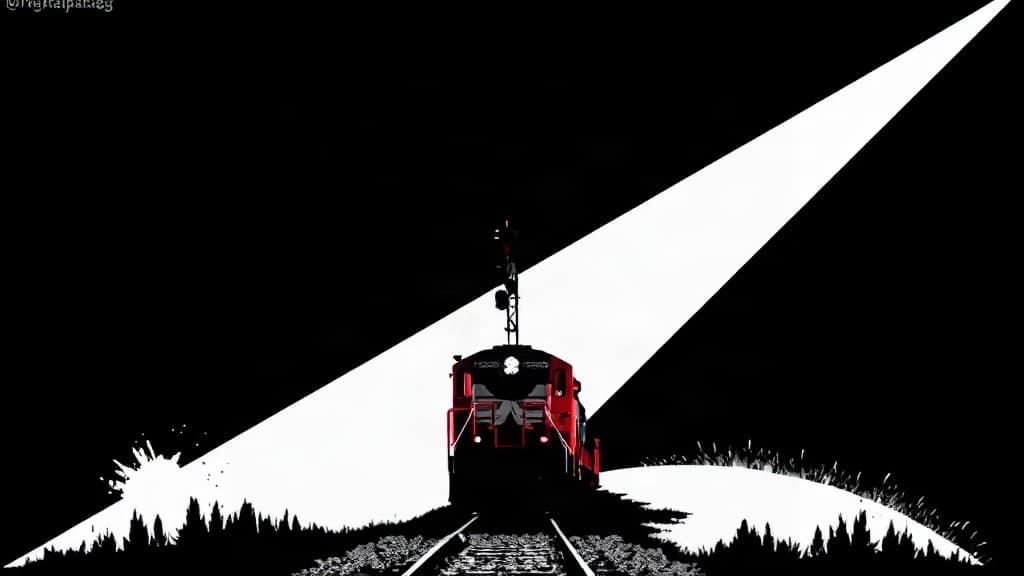
A pedestrian is dead after being struck by a train at a rural Arkansas rail crossing Thursday — the kind of preventable tragedy that happens in places policymakers forget exist.
Clarendon police responded to the Madison Street crossing just before noon and found a victim pronounced dead at the scene, according to Sgt. Mitchell Weaver. Union Pacific Railroad is assisting the investigation. Railroad crossings in the city were shut down for nearly five hours after the crash.
Clarendon sits in Monroe County, east Arkansas — population under 1,500. These are the towns where rail crossings still lack modern gates, adequate sightlines, or basic pedestrian safety infrastructure that urban transit systems take for granted. When someone dies at a crossing like Madison Street, there are no press conferences, no federal task forces, no sweeping infrastructure packages directed at the problem. There is just a social media post from a small-town sergeant and a body.
Union Pacific, one of the nation's largest freight rail operators, runs trains through towns like Clarendon as a conduit between major hubs. The railroad has a documented history of resisting crossing safety upgrades in small communities that lack the political clout or tax base to force improvements. Meanwhile, billions in federal infrastructure spending flow to light rail projects and urban transit initiatives that serve metropolitan voting blocs. Rural crossings get left to whatever local budgets can scrape together — which in Monroe County isn't much.
Out west, Bozeman, Montana is dealing with its own violent incident — police there are investigating a homicide after a suspect's body was found, the Billings Gazette reported. Details remain limited. But the pattern holds: smaller communities handle the fallout of violence and infrastructure failure with fewer resources and less attention from the national press or federal grantmakers.
The Madison Street crossing in Clarendon is open again. Traffic flows. The investigation continues. What won't change is the math that puts rural Americans at rail crossings with second-rate safety infrastructure while their tax dollars fund projects in districts that already have them.
The open question: How many more rural crossing fatalities before Washington treats this as infrastructure spending worth prioritizing — or before Union Pacific decides small-town lives are worth the cost of upgraded gates?